
Understanding the 2026 Pollen Season Outlook in the United States
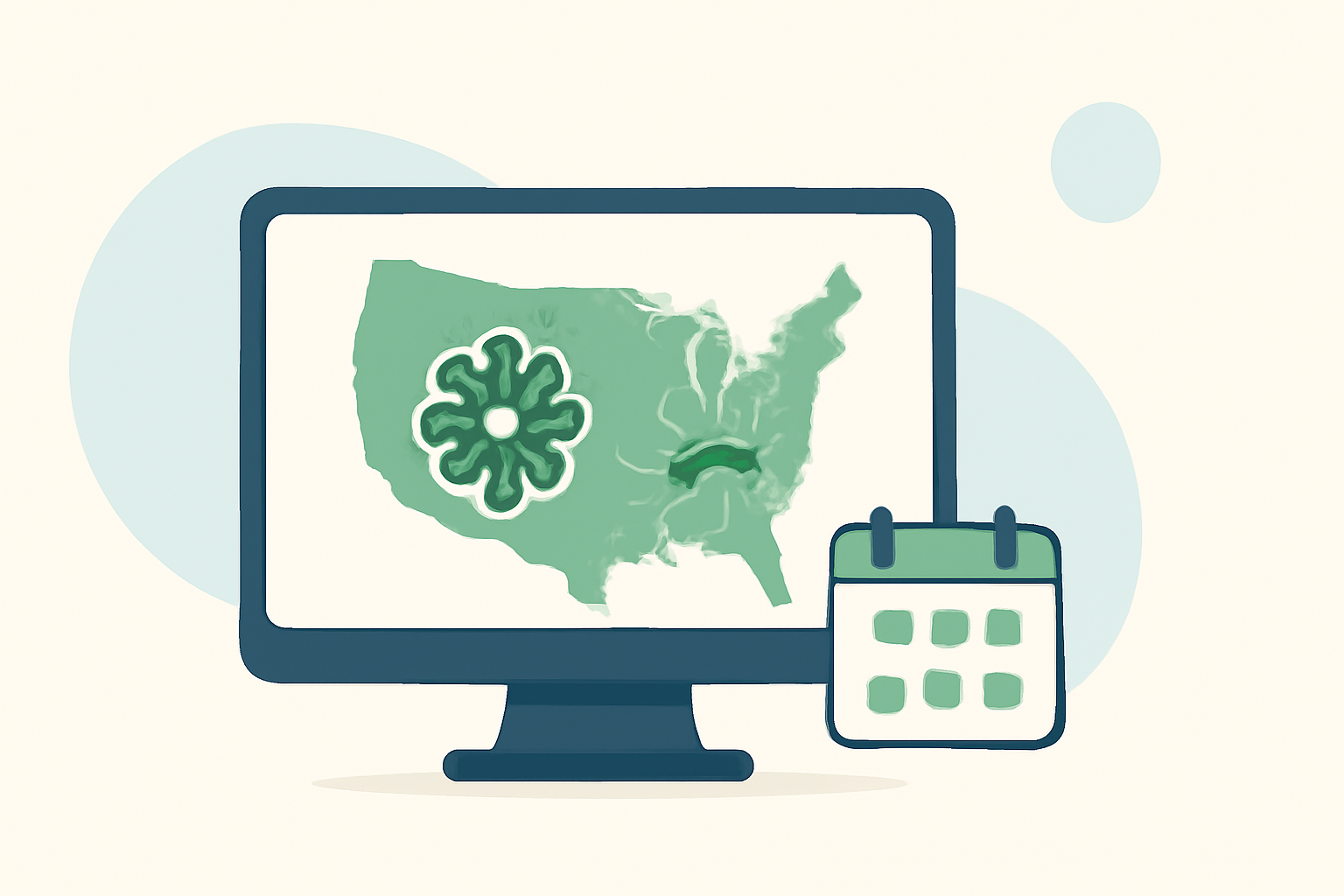
The 2026 pollen season in the United States is expected to be notably intense and prolonged, influenced by several climatic and environmental factors.
What Factors Are Influencing the 2026 Pollen Season?
Climate change has led to warmer temperatures and extended growing seasons, resulting in earlier and longer pollen releases. Between 1970 and 2025, the freeze-free growing season lengthened in 87% of U.S. cities analyzed, averaging an increase of 21 days. This trend contributes to more intense allergy seasons, as plants have more time to produce pollen. (climatecentral.org)
How Are Different Regions Affected?
Pollen levels are expected to surge northward as spring warmth expands across the country. In 2026, 29 states may experience above-average pollen levels, with tree pollen already increasing in parts of the South and West. The Ohio Valley is anticipated to be one of the hardest-hit regions, with periods of exceptionally high tree pollen, especially after spring rainfall. (accuweather.com)
What Are the Implications for Allergy Sufferers?
The extended and intensified pollen season means that individuals with seasonal allergies may experience symptoms like runny noses, itchy throats, and puffy eyes earlier and for longer durations. In Pittsburgh, for example, the spring allergy season is becoming both longer and more intense, prompting earlier and prolonged pollen seasons. (axios.com)
How Can Clime Help Manage Allergy Symptoms?
Clime offers advanced weather tracking tools that provide real-time pollen forecasts, helping users anticipate and manage allergy symptoms effectively. By monitoring pollen levels and weather patterns, Clime enables users to make informed decisions about outdoor activities and take preventive measures during high pollen periods.
What Are the Key Takeaways for 2026?
- Earlier Start: Warmer temperatures are causing pollen seasons to begin earlier in the year.
- Longer Duration: Extended growing seasons are leading to longer periods of pollen release.
- Increased Intensity: Higher temperatures and increased CO₂ levels are contributing to more vigorous plant growth and pollen production.
Understanding these trends is crucial for managing allergy symptoms effectively. Utilizing tools like Clime can provide valuable insights and forecasts to help individuals navigate the challenges of the 2026 pollen season.
Highlights:
- Pittsburgh's allergy season is getting longer, Published on Monday, March 16
- Richmond pollen surge to bring more weeks of allergy misery, Published on Monday, April 13