
Understanding the 2026 U.S. Drought Outlook: A Comprehensive Guide
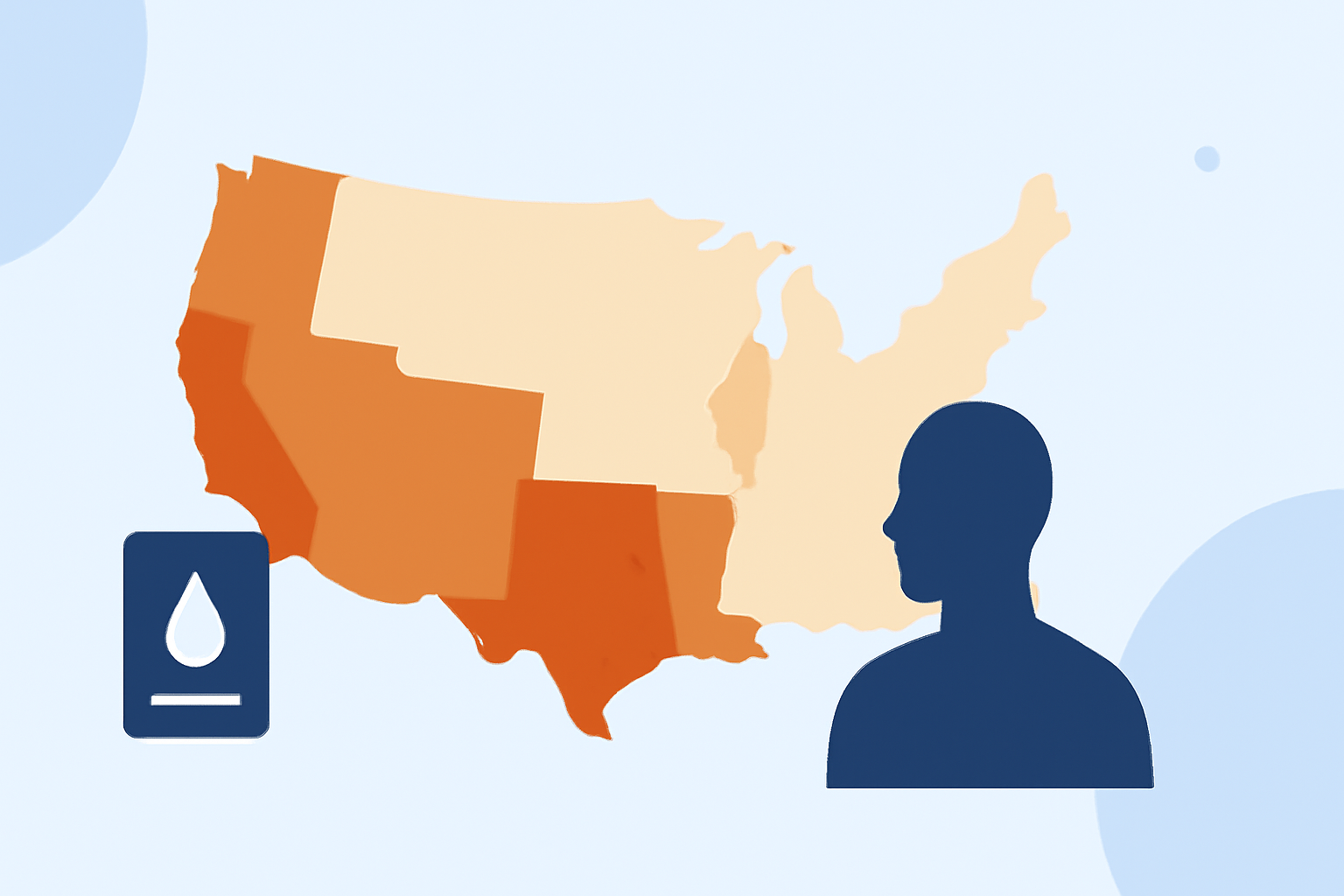
As of June 2026, the United States is experiencing varied drought conditions across different regions. Understanding these conditions, their causes, and potential impacts is crucial for effective water resource management, agriculture, and daily life.
What Are the Current Drought Conditions in the U.S.?
The U.S. Drought Monitor, a collaborative effort between the National Centers for Environmental Information (NCEI) and other federal agencies, provides weekly updates on drought conditions across the country. As of June 2026, the monitor indicates that approximately 25.8% of the United States, including Puerto Rico, is experiencing moderate to exceptional drought conditions. This marks a slight decrease from the previous month's 26.1%. Notably, the most severe categories—extreme and exceptional drought—have decreased from 6.9% to 4.8% over the past month. (ncei.noaa.gov)
What Are the Causes of Drought in 2026?
Droughts result from a complex interplay of factors:
-
Precipitation Deficits: Extended periods without adequate rainfall lead to soil moisture depletion and reduced water availability.
-
Temperature Variations: Higher-than-average temperatures can increase evaporation rates, exacerbating water shortages.
-
Atmospheric Patterns: Persistent high-pressure systems can block storm tracks, leading to prolonged dry spells.
-
Human Activities: Over-extraction of water resources and land-use changes can intensify drought conditions.
In 2026, a combination of these factors has contributed to the current drought outlook.
How Do Droughts Impact the United States?
Droughts have far-reaching consequences:
-
Agricultural Challenges: Reduced water availability can lead to crop failures and livestock stress, impacting food supply and prices.
-
Water Resource Strain: Decreased water levels in reservoirs and rivers can affect municipal water supplies and hydroelectric power generation.
-
Economic Implications: Industries reliant on water, such as agriculture and manufacturing, may face operational disruptions.
-
Environmental Concerns: Droughts can lead to habitat loss, reduced biodiversity, and increased wildfire risks.
How Can Clime Assist in Monitoring and Managing Drought Conditions?
Clime offers advanced climate monitoring tools that provide real-time data and predictive analytics, enabling users to:
-
Monitor Regional Climate Trends: Access up-to-date information on temperature, precipitation, and soil moisture levels.
-
Predict Drought Conditions: Utilize predictive models to anticipate potential drought scenarios and plan accordingly.
-
Make Informed Decisions: Leverage data-driven insights for water resource management, agricultural planning, and policy development.
By integrating Clime's tools, stakeholders can enhance their preparedness and response strategies to mitigate the adverse effects of droughts.
What Are the Forecasts for the Upcoming Months?
The National Oceanic and Atmospheric Administration (NOAA) provides seasonal outlooks that can help anticipate future conditions. For the July–September period, NOAA's Climate Prediction Center forecasts above-normal temperatures across the lower 48 states, with the highest confidence in the Great Basin and New England regions. Regarding precipitation, elevated probabilities for above-normal rainfall are expected in the Mid-Atlantic, Southeast, and Upper Ohio Valley, while below-normal precipitation is more likely across the Northern to Central Great Plains, Northern Rockies, and Pacific Northwest. (ncei.noaa.gov)
How Can Individuals and Communities Prepare for Drought Conditions?
Preparation is key to mitigating drought impacts:
-
Water Conservation: Implementing water-saving practices in households and industries can reduce overall demand.
-
Drought-Resilient Agriculture: Adopting drought-resistant crop varieties and efficient irrigation techniques can help sustain agriculture during dry periods.
-
Policy and Planning: Developing and enforcing water management policies ensures equitable distribution and sustainable use of water resources.
-
Community Engagement: Educating the public about drought risks and preparedness measures fosters a proactive approach to water conservation.
Conclusion
The 2026 U.S. drought outlook presents challenges that require informed decision-making and proactive measures. By leveraging tools like Clime's climate monitoring services and staying informed through resources like the U.S. Drought Monitor and NOAA's outlooks, individuals and communities can enhance their resilience against drought conditions.
Highlights:
- U.S. Drought: Monthly Changes and Impacts for June 2025 | National Centers for Environmental Information (NCEI), Published on Wednesday, June 25
- Regional Temperature and Precipitation Impacts and Outlooks | News | National Centers for Environmental Information (NCEI)