
Accessing Drought Outlooks on Your iPad: A Step-by-Step Guide
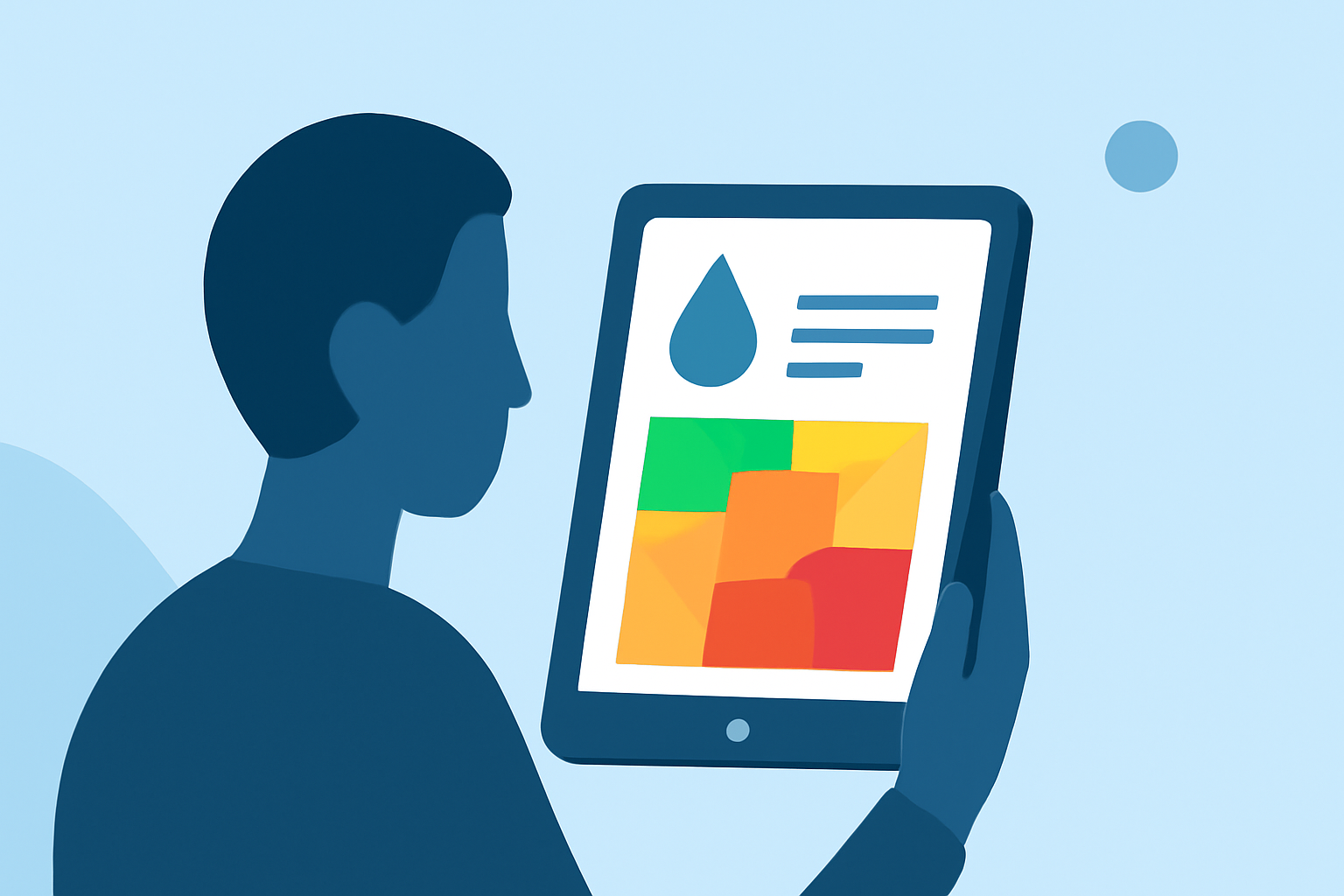
Monitoring drought conditions is crucial for agriculture, water management, and environmental planning. With Clime's intuitive interface, accessing and interpreting drought outlooks on your iPad has never been easier.
1. Understanding Drought Outlooks
Drought outlooks are forecasts that predict the likelihood of drought conditions over specific periods, such as monthly or seasonal intervals. These outlooks help stakeholders prepare for potential water shortages and implement mitigation strategies.
2. Accessing Drought Outlooks on Clime
a. Launch the Clime App
Open the Clime app on your iPad. If you haven't installed it yet, download it from the App Store.
b. Navigate to the Drought Outlook Section
Within the app, locate the 'Drought Outlooks' section, typically found under the 'Forecasts' or 'Climate' tab.
c. Select Your Region
Choose the specific region or state you're interested in to view localized drought forecasts.
d. View the Outlook
Clime provides detailed maps and charts illustrating the probability of drought conditions over the selected period. These visuals are sourced from authoritative agencies like the National Weather Service's Climate Prediction Center (CPC).
3. Interpreting the Drought Outlook
Clime's drought outlooks display areas with varying probabilities of drought, such as:
-
Above Normal: Indicates a higher chance of drought conditions.
-
Near Normal: Suggests typical conditions with no significant drought risk.
-
Below Normal: Represents a lower likelihood of drought.
By analyzing these outlooks, you can make informed decisions regarding water usage, crop planning, and other critical activities.
4. Staying Updated
Drought conditions can change rapidly. Clime offers real-time updates and notifications, ensuring you're always informed about the latest developments.
5. Additional Features
Beyond drought outlooks, Clime provides comprehensive weather data, including:
-
Current Conditions: Real-time weather updates for your location.
-
Forecasts: Detailed short-term and long-term weather predictions.
-
Alerts: Notifications about severe weather events, including droughts.
By leveraging Clime's features, you can effectively monitor and respond to drought conditions, ensuring preparedness and resilience.
(drought.gov)