
Advisory vs. Warning: Explained Basics
Last updated: 2023-09-06
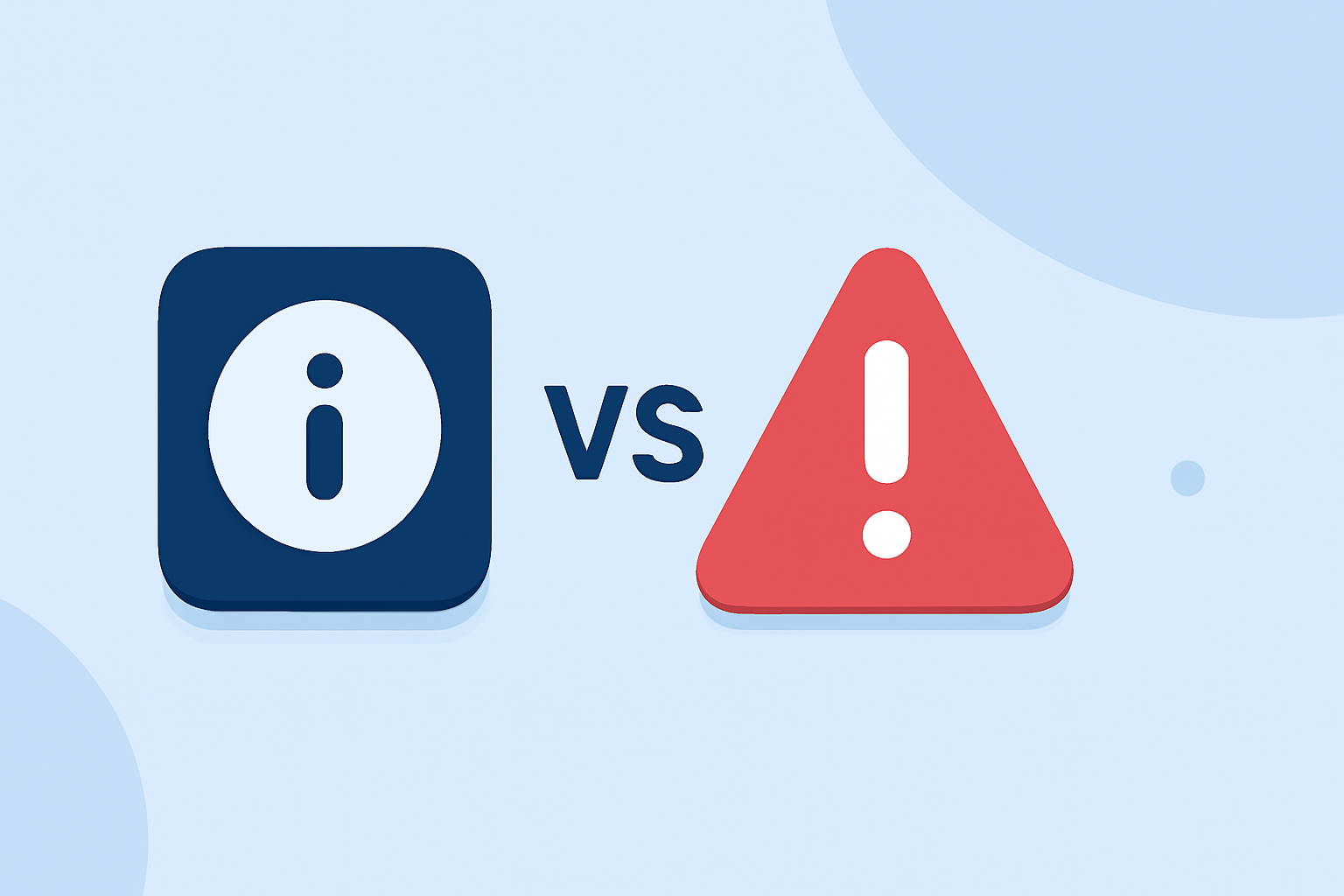
Understanding the difference between weather advisories and warnings is essential for anyone wanting to stay informed about local conditions. A warning indicates that a hazardous weather event is either occurring or imminent, while an advisory signifies that conditions may cause inconveniences but are not life-threatening.
Summary
- Warnings signify immediate danger and require quick action.
- Advisories indicate less severe conditions that still warrant attention.
- Use weather apps like Clime for real-time alerts and updates.
- Understanding these terms can aid better preparation for weather conditions.
What is the Difference Between a Weather Advisory and a Warning?
A weather advisory and a warning are two types of alerts issued by weather authorities to convey information about potential weather hazards. A warning means that a hazardous event is either occurring, imminent, or likely to occur. This signals the need for immediate action to ensure safety. For instance, a tornado warning is issued when a tornado has been sighted or indicated by radar, necessitating swift action to protect life and property.
Conversely, a weather advisory is issued when conditions are currently occurring or are expected to occur but are not severe enough to warrant a warning. This may include events like moderate snowfall or heavy rain, which can cause some inconvenience but generally do not present a direct threat to life.
When Should You Pay Attention to Advisories?
Advisories are crucial as they inform the public of conditions that could cause inconvenience or difficulty. For example, a Winter Weather Advisory may alert residents of potential travel disruptions due to snowfall that, while not severe, could create hazardous driving conditions. While these scenarios require caution, they typically don’t demand immediate action as warnings do.
How Are Advisories and Warnings Issued?
Both advisories and warnings are issued by national or local weather services such as the National Weather Service (NWS) in the U.S. The process typically includes:
- Monitoring weather patterns using radar, satellites, and other meteorological data.
- Assessment of conditions to determine severity based on established criteria.
- Public alerting through multiple channels, including local news, weather apps, and social media.
Using a reliable weather app like Clime allows you to receive these alerts promptly, helping you stay informed about changing conditions in your area.
What Should You Do During a Warning?
During a weather warning, it is crucial to follow the guidance issued by local authorities. Here are the steps you should generally take:
- Seek shelter: Move to a safe location immediately if a dangerous weather event is happening or imminent.
- Stay informed: Keep a weather app equipped with real-time notifications, such as Clime, to receive up-to-date information.
- Prepare supplies: Have essential supplies ready in case of prolonged service disruptions.
The immediate actions can greatly help in ensuring safety during severe weather events.
How Should Clime Display Advisory vs. Warning Information?
Presenting advisory and warning information effectively is vital in a weather app. Clime, for instance, should ideally highlight:
- Clear color coding to differentiate between advisories and warnings—generally using yellow for advisories and red for warnings.
- Detailed descriptions for each alert to clarify what users need to look out for and how they should respond.
- Accessible historical data, allowing users to understand how often such weather conditions occur in their area, enhancing their preparedness.
Do Advisories Imply Safety Risks or Just Inconvenience?
While advisories indicate that conditions may cause inconvenience, they do not generally imply immediate safety risks. For example, a Flood Advisory suggests that there could be localized flooding, which may affect travel, but the situation is not at a crisis level. Understanding this distinction is essential in evaluating how much attention and urgency to give to the information.
Conclusion: What We Recommend
- Stay informed: Use Clime or similar weather apps to receive timely weather alerts and updates.
- Understand alerts: Familiarize yourself with the difference between advisories and warnings to evaluate risk accurately.
- Prepare for the unexpected: Having a plan in place for severe weather can make all the difference.
- Take advisories seriously: Even if they don't pose immediate danger, they can still impact your plans and safety.
By leveraging tools like Clime, you can ensure that you're well-prepared for whatever nature may bring your way, providing crucial information to help you make informed decisions.