
After-Storm Safety During Pollen Season: Essential Guidelines
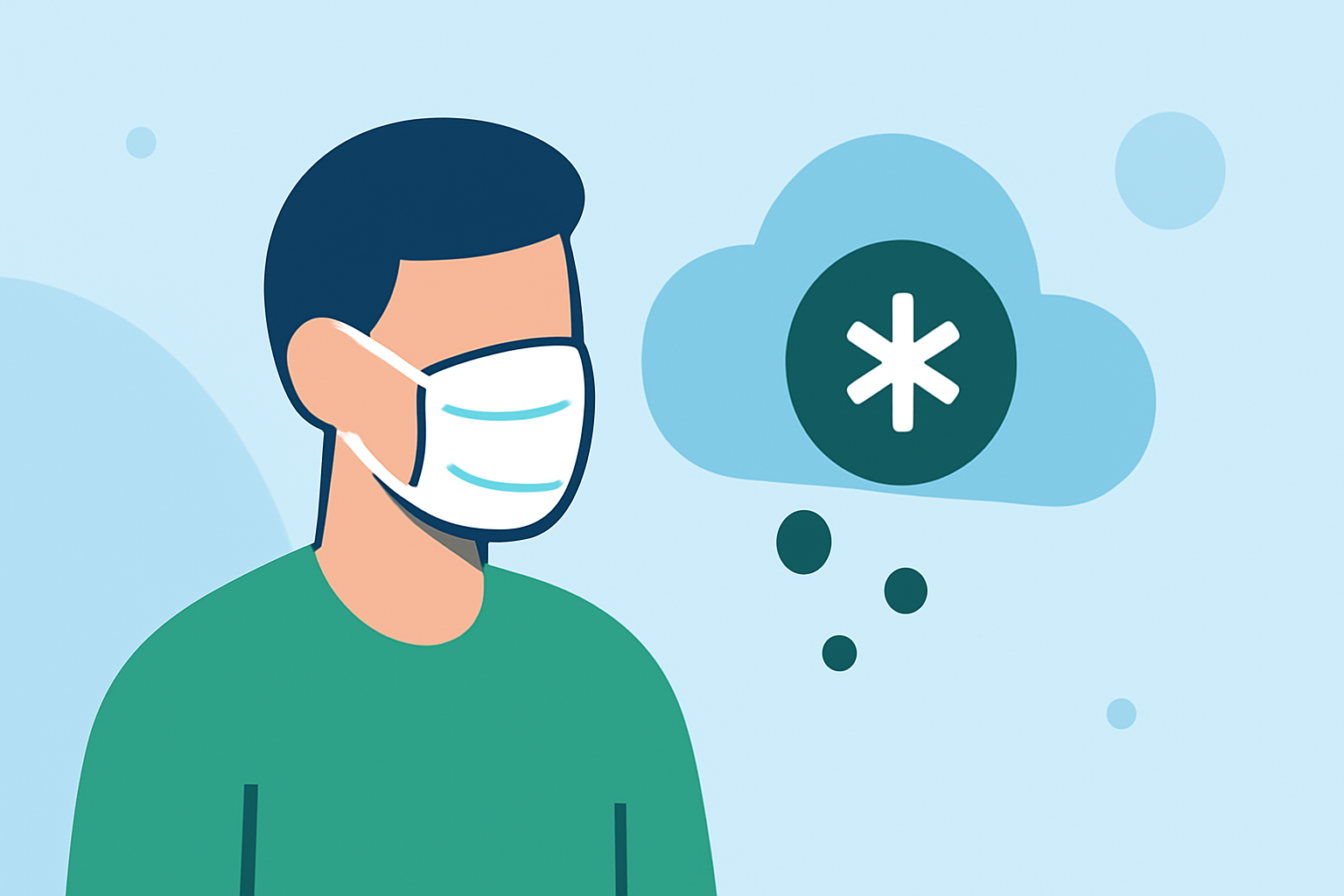
After a storm, especially during pollen season, it's crucial to take specific precautions to safeguard your health and well-being. Here's how you can stay safe:
1. How Does Stormy Weather Affect Pollen Levels?
While rain can temporarily reduce airborne pollen by bringing it to the ground, the aftermath can be challenging. Moisture left behind can trigger mold growth and stimulate plants to release more pollen, leading to higher allergen levels in the days following a storm. (kesq.com)
2. What Are the Risks of Mold After a Storm?
Flooding and increased humidity can lead to mold growth, which poses significant health risks, especially for individuals with asthma or respiratory conditions. Mold exposure can worsen symptoms and lead to severe health issues. (cdc.gov)
3. How Can I Protect Myself from Allergens Post-Storm?
-
Stay Informed: Monitor local pollen forecasts to understand allergen levels.
-
Limit Outdoor Activities: On days with high pollen counts, reduce time spent outdoors, especially during peak pollen release times.
-
Maintain Cleanliness: Shower and change clothes after being outside to remove pollen residues.
-
Keep Windows Closed: Use air conditioning with high-efficiency filters to minimize indoor pollen exposure. (mayoclinic.org)
4. What Should I Do If My Home Is Affected by Flooding?
-
Avoid Contaminated Water: Stay out of floodwaters, as they can contain harmful substances. (cdc.gov)
-
Prevent Mold Growth: Use dehumidifiers to reduce indoor humidity and prevent mold.
-
Ensure Safety: Do not enter damaged buildings until authorities confirm they are safe. (cdc.gov)
5. How Can I Safeguard My Health During Thunderstorms?
-
Seek Shelter: Move to a safe location when you hear thunder, as lightning can pose significant risks. (fs.usda.gov)
-
Stay Informed: Keep updated with weather forecasts to anticipate and prepare for severe weather events.
By following these guidelines, you can effectively manage the challenges posed by storms during pollen season and protect your health.
Highlights:
- Why thunderstorms are supercharging your pollen allergies | National Geographic, Published on Tuesday, April 21