
After-Storm Safety During Pollen Season: Essential Tips for Beginners
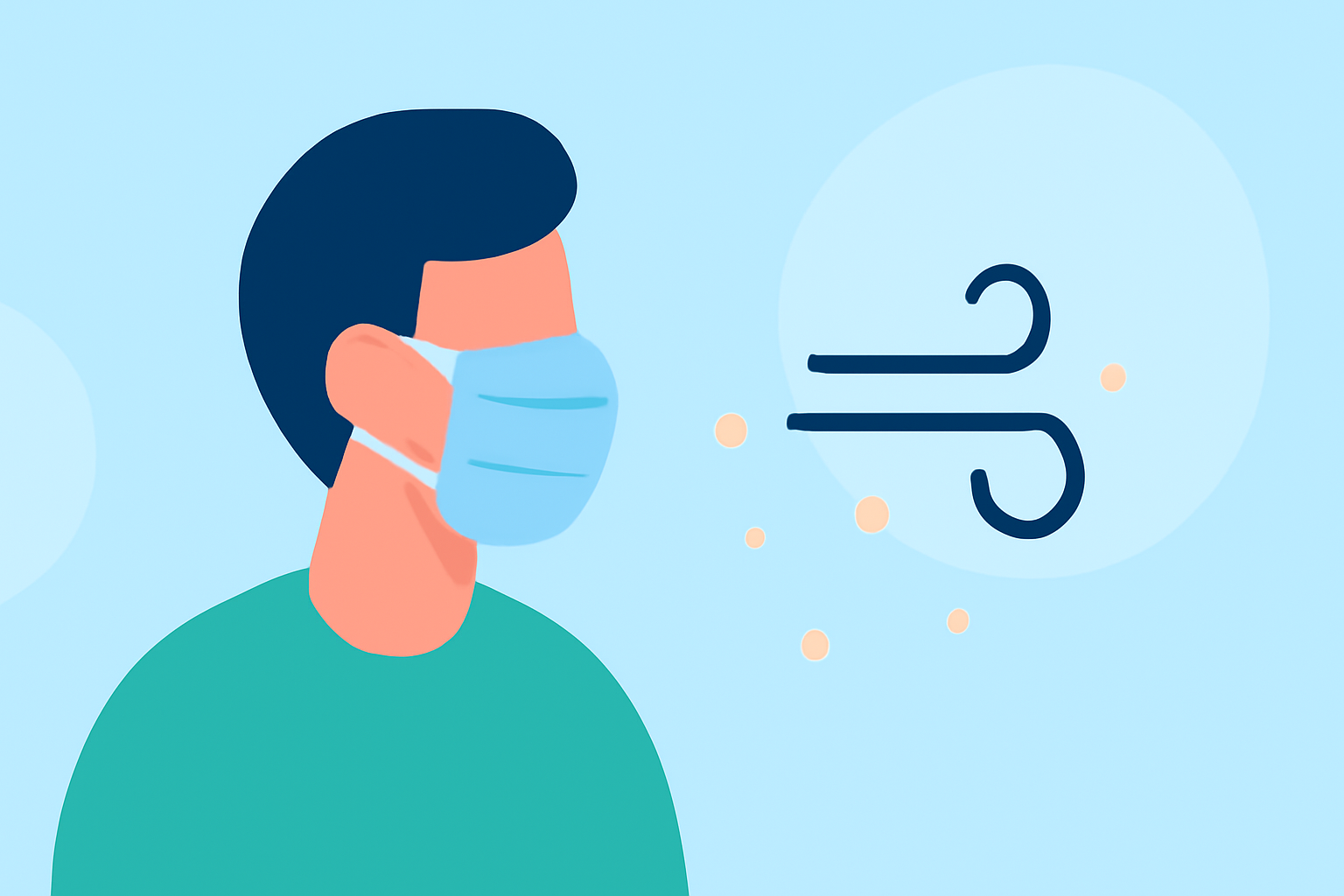
Experiencing a storm during pollen season can pose unique challenges. Combining the hazards of severe weather with elevated pollen levels requires specific precautions to safeguard your health and well-being.
Understanding the Risks
Pollen, the fine powder released by trees, grasses, and weeds, is a common allergen that can cause symptoms like sneezing, congestion, and itchy eyes. During storms, especially those involving heavy rain or flooding, pollen can be dispersed into the air and water, potentially exacerbating allergy symptoms. Additionally, storms can lead to structural damage, power outages, and other hazards that require immediate attention.
Pre-Storm Preparations
-
Stay Informed: Monitor local weather forecasts and pollen counts. High pollen levels are typically present during early morning and evening hours. Being aware of these patterns can help you plan outdoor activities accordingly. (mayoclinic.org)
-
Secure Your Home: Ensure that windows and doors are properly sealed to prevent pollen from entering. Consider using high-efficiency particulate air (HEPA) filters in your home's heating, ventilation, and air conditioning (HVAC) system to reduce indoor pollen levels. (mayoclinic.org)
During the Storm
-
Limit Outdoor Exposure: Stay indoors during the storm to avoid exposure to both pollen and potential storm-related hazards. If you must go outside, wear a dust mask to reduce inhalation of pollen particles. (my.clevelandclinic.org)
-
Avoid Floodwaters: Flooded areas can contain contaminants, including pollen and other allergens. Avoid contact with floodwaters to prevent exposure to harmful substances. (cdc.gov)
Post-Storm Actions
-
Clean Thoroughly: After the storm, clean your home to remove any pollen that may have entered. Use damp microfiber cloths to wipe down surfaces, as they can trap pollen and prevent it from becoming airborne. (tomsguide.com)
-
Wash Bedding and Clothing: Pollen can cling to fabrics, so wash all bedding and clothing that were exposed to the outdoors. Use hot water to effectively remove pollen particles. (tomsguide.com)
-
Ventilate Your Home: Once the storm has passed and pollen levels have decreased, ventilate your home by opening windows and doors to allow fresh air to circulate and reduce indoor pollen concentrations.
Additional Tips
-
Shower After Being Outdoors: Showering and washing your hair after spending time outside can help remove pollen from your skin and hair, reducing the amount that enters your home. (mayoclinic.org)
-
Use Air Purifiers: Consider using HEPA air purifiers in bedrooms and living areas to capture airborne pollen and other allergens.
By following these guidelines, you can effectively manage the combined challenges of storms and pollen season, ensuring a safer and more comfortable environment for yourself and your family.