
Air Purifier Basics: A Beginner's Guide for Non-Technical Users
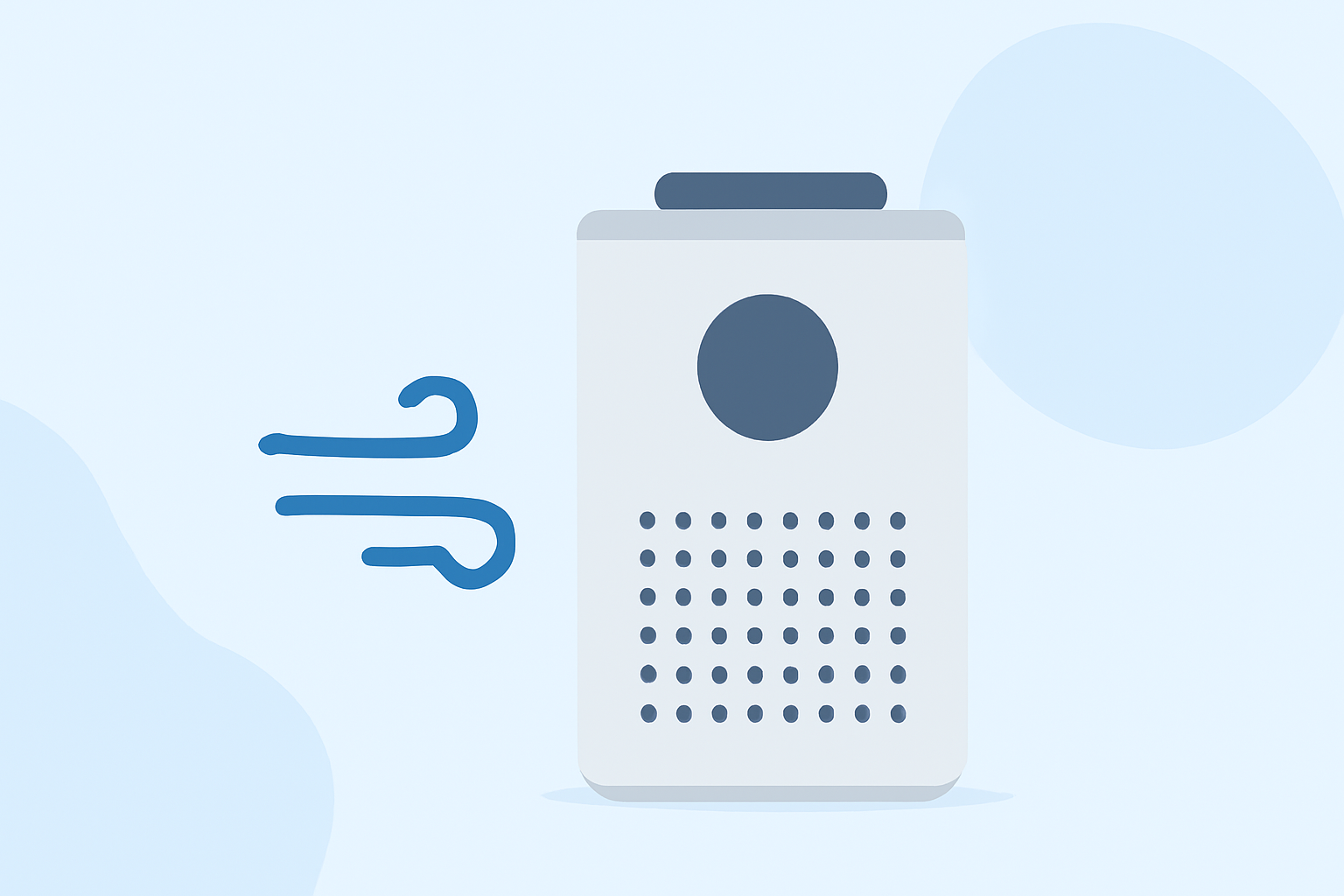
Air purifiers are devices designed to improve indoor air quality by removing pollutants and allergens. Understanding their function and selecting the appropriate model can significantly enhance your living environment.
What Is an Air Purifier?
An air purifier is an appliance that filters out contaminants from the air, such as dust, pollen, smoke, and pet dander, to improve indoor air quality. They are particularly beneficial for individuals with allergies, asthma, or respiratory issues.
How Do Air Purifiers Work?
Air purifiers operate by drawing in air through filters that capture various pollutants. The cleaned air is then circulated back into the room. The efficiency of this process depends on the type of filter used and the purifier's design.
Types of Air Purifiers
-
HEPA Filters: High-Efficiency Particulate Air (HEPA) filters are designed to capture at least 99.97% of particles that are 0.3 microns in diameter. They are effective at removing dust, pollen, and other airborne particles.
-
Activated Carbon Filters: These filters use activated carbon to adsorb gases, odors, and volatile organic compounds (VOCs), such as smoke and cooking odors.
-
UV-C Light Purifiers: Ultraviolet-C light purifiers use UV-C light to kill bacteria, viruses, and mold spores. However, their effectiveness depends on exposure time, and they are often used in conjunction with other filters.
Choosing the Right Air Purifier
When selecting an air purifier, consider the following factors:
-
Room Size: Ensure the purifier is suitable for the room size where it will be used. Manufacturers often provide guidelines on the maximum room size their units can effectively clean.
-
Filter Type: Choose a purifier with filters that address your specific concerns, such as HEPA filters for allergens or activated carbon filters for odors.
-
Maintenance: Regular maintenance, including cleaning or replacing filters, is essential for optimal performance. Typically, pleated mechanical filters should be replaced every six to twelve months, and activated carbon filters every three months. (consumerreports.org)
Placement and Usage Tips
-
Optimal Placement: Place the air purifier in the room where you spend the most time, such as the bedroom or living room. Ensure nothing obstructs airflow, and keep it away from curtains or walls. (consumerreports.org)
-
Airflow Considerations: Position the purifier at breathing height, approximately 3 to 5 feet off the ground, to enhance its effectiveness. (bobvila.com)
-
Noise Levels: Adjust the purifier's speed settings based on your presence in the room to balance air cleaning efficiency and noise levels.
Maintenance and Care
-
Regular Cleaning: Keep the area around the air purifier clean to prevent dust buildup.
-
Filter Replacement: Follow the manufacturer's recommendations for filter replacement to maintain optimal performance.
By understanding the basics of air purifiers and selecting the right model for your needs, you can create a healthier and more comfortable indoor environment.
Highlights:
- Do Air Purifiers Work? Research, Best Practices, and More, Published on Sunday, March 23
- Air Purifier Buying Guide - Consumer Reports, Published on Wednesday, July 30
- How Do Air Purifiers Work? | Tom's Guide, Published on Sunday, October 20