
Air Purifier Basics Explained
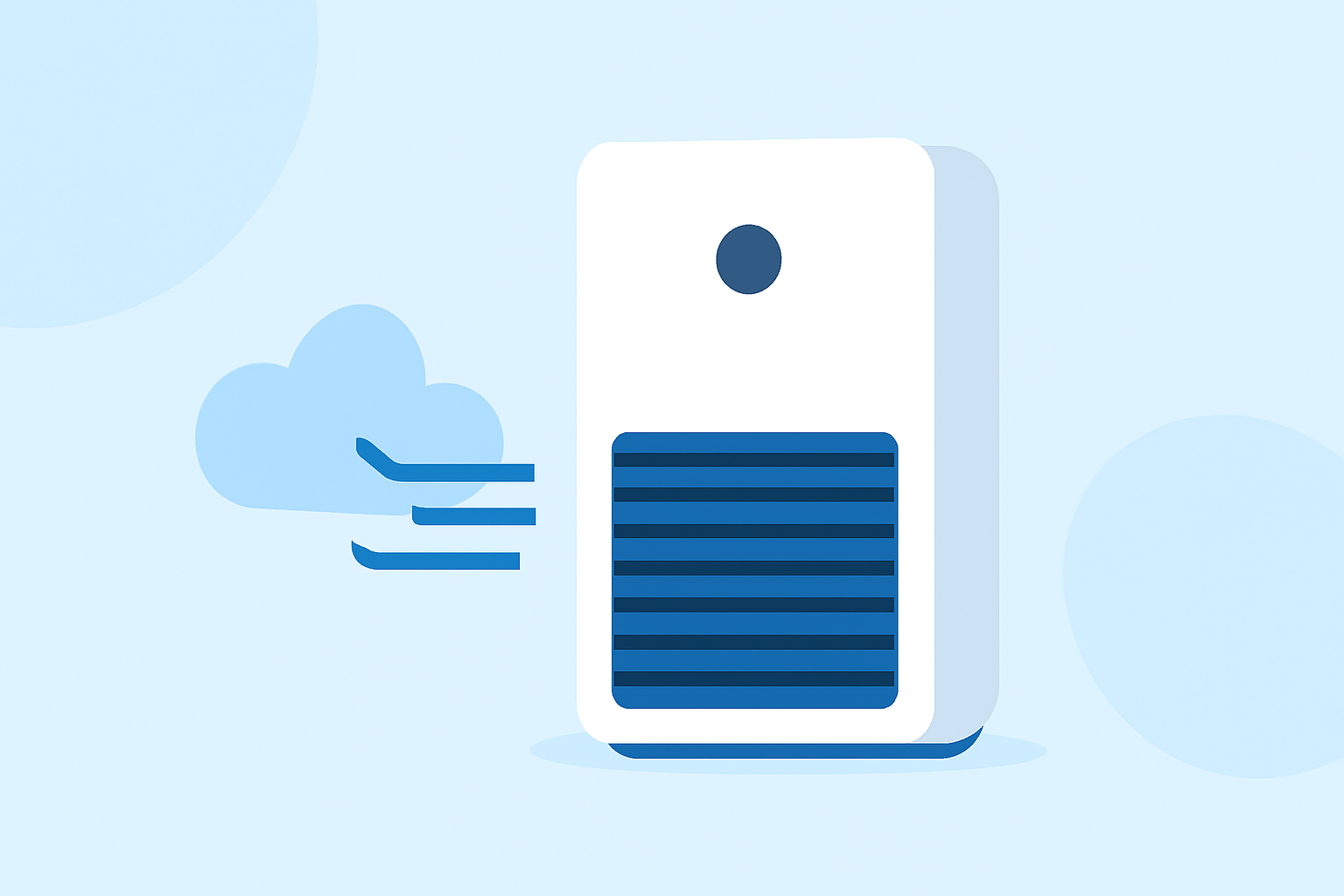
Air purifiers are devices designed to enhance indoor air quality by removing contaminants such as dust, pollen, pet dander, smoke, and volatile organic compounds (VOCs). They operate by drawing in air, filtering out pollutants, and circulating cleaner air back into the environment. This process can significantly improve air quality, especially in areas with high pollution levels or for individuals sensitive to airborne irritants.
How Do Air Purifiers Work?
Air purifiers typically consist of a fan and a series of filters. The fan draws in air from the surrounding environment, which then passes through the filters designed to capture specific types of pollutants. After filtration, the purified air is released back into the room. The efficiency of an air purifier depends on the type and quality of its filters, as well as its capacity to handle the room size.
Types of Air Purifiers
Air purifiers come in various types, each utilizing different technologies to clean the air:
-
HEPA (High-Efficiency Particulate Air) Filters: These filters are designed to capture at least 99.97% of airborne particles as small as 0.3 microns. They are effective against dust, pollen, pet dander, and some bacteria and viruses. (hepa.info)
-
Activated Carbon Filters: These filters use a bed of activated carbon to adsorb gases, odors, and VOCs. They are particularly useful for removing smoke and chemical fumes. (iqair.com)
-
UV-C Light Purifiers: These devices use ultraviolet light to kill or inactivate microorganisms by destroying their DNA. However, they are less effective at removing particles and gases. (iqair.com)
-
Ionizers: These purifiers emit charged ions that attach to airborne particles, causing them to settle out of the air or stick to nearby surfaces. Some models may produce ozone as a byproduct, which can be harmful to health. (iqair.com)
Effectiveness of Air Purifiers
The effectiveness of an air purifier depends on several factors:
-
Filter Type and Quality: High-quality filters, such as HEPA filters, are more effective at capturing a wide range of pollutants.
-
Room Size: An air purifier should be appropriately sized for the room to ensure efficient air cleaning.
-
Pollutant Type: Different filters target different pollutants. For example, HEPA filters are effective against particles, while activated carbon filters are better for gases and odors.
-
Maintenance: Regular maintenance, including timely replacement of filters, is crucial for maintaining the purifier's effectiveness.
Choosing the Right Air Purifier
When selecting an air purifier, consider the following factors:
-
Room Size: Ensure the purifier is suitable for the room's square footage.
-
Specific Needs: Identify the pollutants you want to target, such as allergens, smoke, or odors.
-
Filter Type: Choose a purifier with filters that address your specific concerns.
-
Maintenance Requirements: Consider the ease of maintenance and the cost of replacement filters.
By understanding the basics of air purifiers, their types, and how they work, you can make an informed decision to improve your indoor air quality.