
Air Purifier Basics Explained for Gardeners
Last updated: 2023-09-08
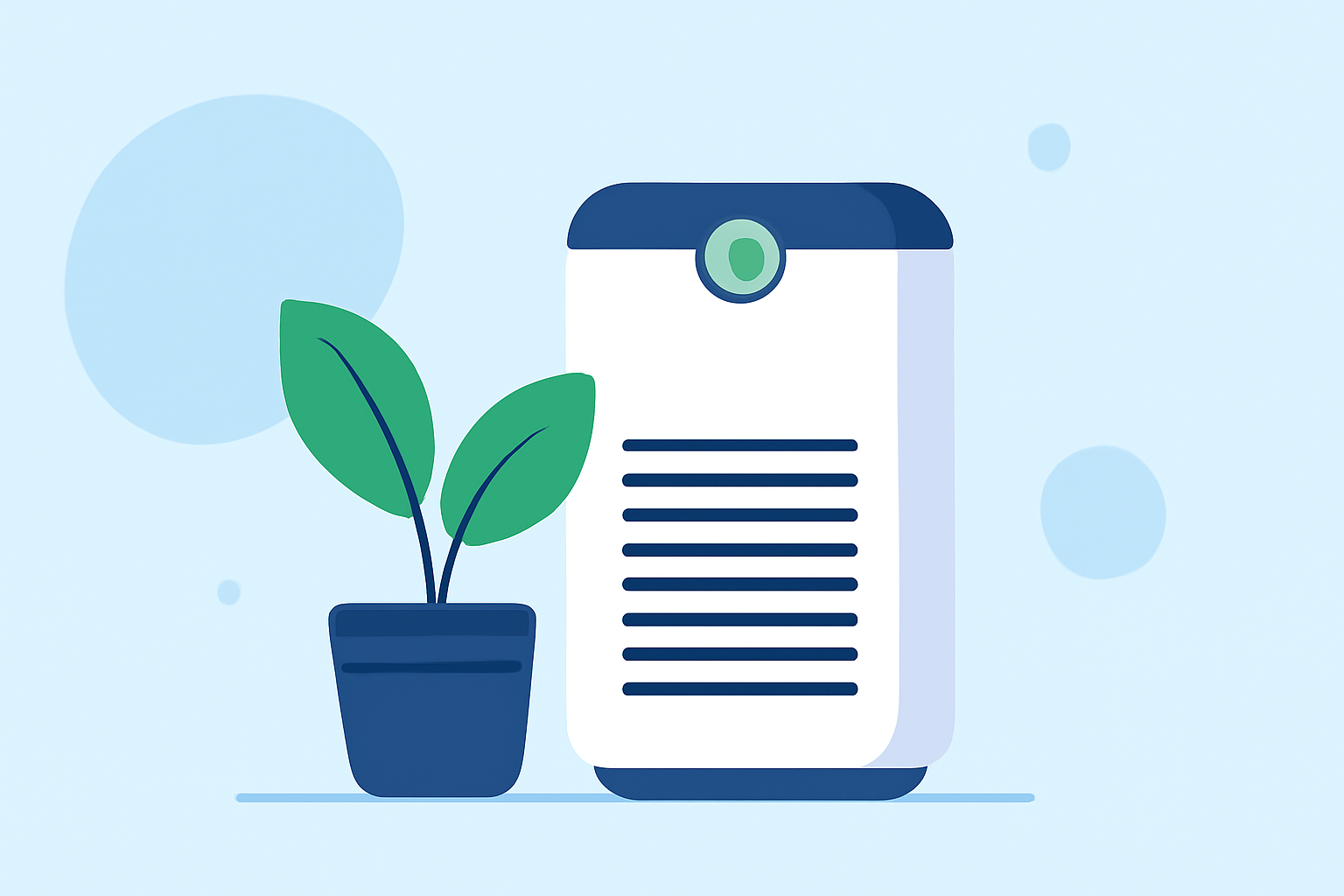
Air purifiers can be a valuable asset for gardeners operating in indoor environments, as they help maintain optimal air quality for plant health and growth. For those who are looking to enhance their gardening experience, understanding the basics of air purifiers can make a significant difference.
Summary
- Air purifiers improve indoor air quality, beneficial for both plants and people.
- EPA guidelines can assist gardeners in choosing the right air purifiers.
- Key factors include the types of contaminants targeted and filter efficiency.
- Understanding the role of air purifiers in managing humidity and allergens is essential for successful indoor gardening.
What Do Air Purifiers Do?
Air purifiers function primarily by filtering out airborne pollutants such as dust, pollen, smoke, and other allergens. They work through various technologies, including HEPA filters and activated carbon, trapping particles and neutralizing odors. For gardeners, this can create a cleaner environment that fosters healthier plant growth, minimizes pests, and enhances soil vitality.
Why Is Indoor Air Quality Important for Gardeners?
Indoor air quality (IAQ) directly affects the health of plants as well as the well-being of individuals working in these spaces. Poor air quality can lead to several issues, such as:
- Reduced photosynthesis rates in plants due to dust accumulation on leaves.
- Increased mold and mildew growth, which can spread rapidly and damage your plants.
- Allergens that may cause respiratory problems for those tending to the garden.
What Should Gardeners Consider When Choosing Air Purifiers?
When selecting an air purifier for a gardening space, consider the following factors:
- Type of Filters: Look for HEPA filters, which trap 99.97% of particles, or activated carbon filters for odor removal.
- Size of the Room: Make sure the air purifier is appropriate for the size of your indoor space, as inadequate capacity may lead to ineffective purification.
- Air Change Rate: Higher air change rates per hour allow more frequent filtration of the air, ideal for rooms with many plants.
- Noise Level: Since air purifiers can operate continuously, consider models that are quiet to avoid disturbing you or your plants.
How Do Air Purifiers Compare to Natural Air Purification Methods?
While air purifiers are effective, many gardeners may also rely on plants for natural air purification. Some plants improve air quality by absorbing toxins and releasing oxygen. However, air purifiers can complement these methods by addressing contaminants that plants may not eliminate effectively. In many cases, especially in indoor environments, combining the two approaches can yield the best results for both indoor air quality and plant health.
Implementation Tips for Optimal Use
To maximize the benefits of your air purifier, implement the following strategies:
- Regularly Change Filters: Follow the manufacturer’s guidelines for filter replacements to maintain efficiency.
- Positioning: Place the air purifier in areas with the most plant activity or where pollutants commonly gather, such as near windows or doorways.
- Use Alongside Humidifiers: Balance humidity levels, as both low and high humidity can negatively impact plant health.
EPA Guidance on Indoor Air Quality in Gardening Spaces
The Environmental Protection Agency (EPA) offers valuable information regarding proper indoor air quality management, especially for spaces used for gardening. Key recommendations include:
- Regularly ventilate the space to help control humidity and reduce indoor pollutants.
- Monitor air quality using tools like carbon dioxide sensors to gauge the environment that your plants are in.
- Utilize portable air cleaners with specific filters as recommended by EPA guidelines for enhanced effectiveness. (EPA Guide)
What We Recommend
- Choose air purifiers with HEPA and activated carbon filters to capture a wide range of pollutants.
- Refer to EPA resources for in-depth guidance on maintaining indoor air quality.
- Consider both air purifiers and plants to create a balanced approach to indoor gardening environments.
- Regular maintenance will ensure your air purifiers function effectively, thereby benefiting your gardening efforts.
By integrating air purifiers into your gardening space, you not only enhance the air quality but also create a healthier environment for your plants to thrive. Whether you're just starting out or looking to improve an existing setup, understanding these basics will be beneficial in your indoor gardening journey.