
Air Purifier Basics Explained the Right Way
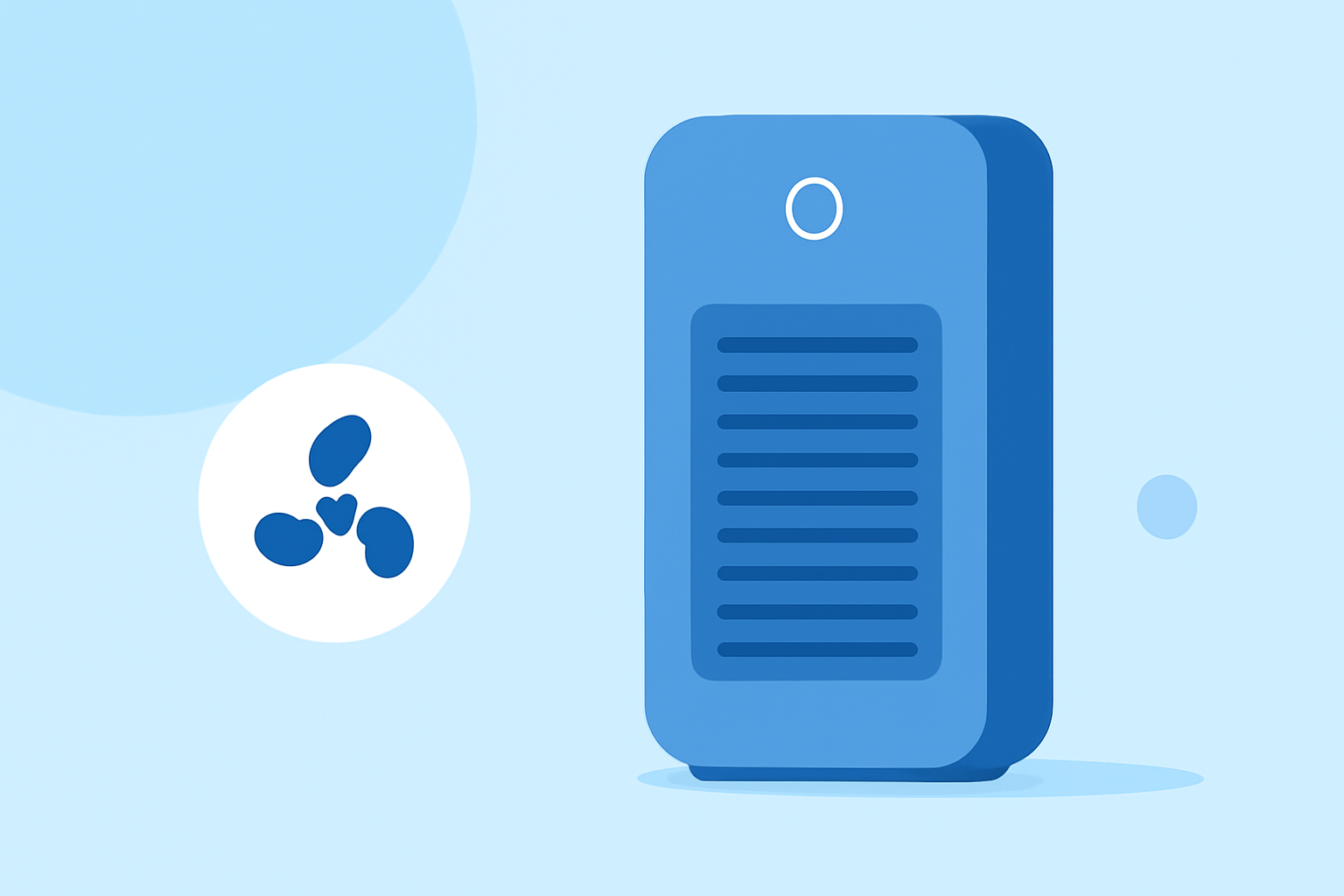
Air purifiers are devices designed to improve indoor air quality by removing contaminants such as dust, pollen, pet dander, smoke, and odors. They operate by drawing in air, filtering out pollutants, and circulating cleaner air back into the environment. (healthline.com)
How Do Air Purifiers Work?
Air purifiers typically consist of a fan and a series of filters. The fan pulls in air from the room, which then passes through the filters that capture various pollutants. The cleaned air is then released back into the room. The effectiveness of an air purifier depends on the type and quality of its filters, as well as its capacity to handle the room size. (consumerreports.org)
Types of Air Purifiers
There are several types of air purifiers, each utilizing different technologies:
-
HEPA Filters: High-Efficiency Particulate Air (HEPA) filters are designed to capture at least 99.97% of airborne particles as small as 0.3 microns. They are effective against dust, pollen, mold spores, and some bacteria. (hepa.info)
-
Activated Carbon Filters: These filters use activated carbon to adsorb gases, odors, and volatile organic compounds (VOCs) from the air. They are particularly useful for removing smoke and chemical odors. (iqair.com)
-
UV-C Light Purifiers: Ultraviolet (UV-C) light purifiers use UV-C light to neutralize bacteria, viruses, and mold spores by damaging their DNA. However, they are less effective at removing particulate matter and gases. (iqair.com)
Choosing the Right Air Purifier
When selecting an air purifier, consider the following factors:
-
Room Size: Ensure the purifier is suitable for the room size where it will be used. Manufacturers often provide specifications indicating the recommended room size.
-
Filter Type: Choose a purifier with filters that address your specific concerns, such as HEPA filters for allergens or activated carbon filters for odors.
-
Maintenance: Regular maintenance, including timely filter replacement, is essential for optimal performance.
Benefits of Using an Air Purifier
Using an air purifier can lead to several health benefits, including:
-
Reduced Allergens: By capturing airborne allergens, air purifiers can help alleviate symptoms of allergies and asthma.
-
Improved Respiratory Health: Removing pollutants from the air can reduce the risk of respiratory infections and other health issues.
-
Enhanced Sleep Quality: Cleaner air can contribute to better sleep by reducing irritants that may disrupt rest.
Limitations of Air Purifiers
While air purifiers are effective at removing airborne pollutants, they have limitations:
-
Surface Contaminants: They do not clean surfaces or remove pollutants that have settled on furniture, carpets, or other surfaces.
-
Noise Levels: Some purifiers can be noisy, which may be disruptive, especially during sleep.
-
Ozone Emission: Certain types of air purifiers, such as ionizers and ozone generators, can produce ozone as a byproduct, which may be harmful to health. (iqair.com)
Conclusion
Air purifiers can be a valuable addition to your home, especially if you are concerned about indoor air quality. By understanding how they work and selecting the appropriate type for your needs, you can create a healthier living environment.
Highlights:
- Do Air Purifiers Work? Research, Best Practices, and More, Published on Sunday, March 23
- Air Purifier Buying Guide - Consumer Reports, Published on Wednesday, July 30
- How do air purifiers work? | IQAir USA