
Air Purifier Basics: Tips for Exercising in Clean Air
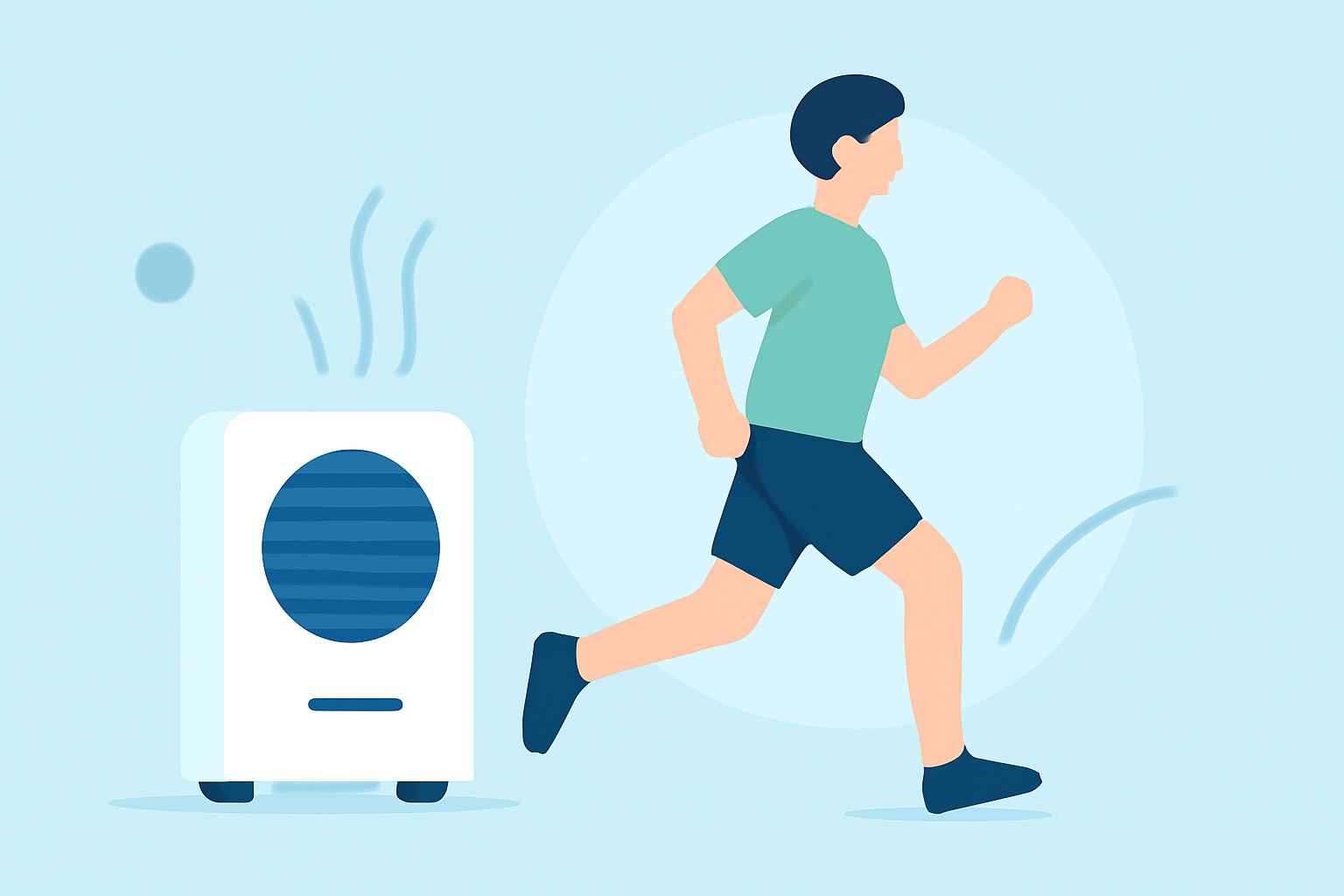
Exercising in clean air is crucial for optimal performance and health. Air purifiers can play a significant role in maintaining indoor air quality, especially when outdoor conditions are less than ideal.
Understanding the Impact of Air Quality on Exercise
Air pollution can adversely affect exercise performance and overall health. Exposure to pollutants like particulate matter (PM2.5) during physical activity can lead to fatigue, reduced lung capacity, and increased cardiovascular risks. Even moderate pollution levels can impact breathing and performance, making it essential to monitor air quality before exercising. (iqair.com)
How Air Purifiers Enhance Your Workout Environment
Air purifiers are designed to remove contaminants from indoor air, creating a cleaner environment for physical activity. By filtering out pollutants such as dust, pollen, and smoke, they help maintain air quality, which is particularly beneficial when outdoor air quality is poor. Utilizing an air purifier can mitigate the adverse effects of indoor air pollution, supporting better respiratory health and exercise performance.
Choosing the Right Air Purifier for Your Exercise Space
When selecting an air purifier for your workout area, consider the following factors:
-
Room Size: Ensure the purifier is suitable for the size of your exercise space to effectively clean the air.
-
Filter Type: HEPA filters are highly effective at capturing small particles, making them ideal for removing pollutants that can affect respiratory health.
-
Noise Level: Opt for a purifier that operates quietly to avoid disrupting your workout.
-
Maintenance: Choose a model with easily replaceable filters and clear maintenance guidelines.
Integrating Air Purifiers into Your Workout Routine
To maximize the benefits of air purifiers during exercise:
-
Placement: Position the purifier centrally in your workout area to ensure even air circulation.
-
Continuous Operation: Keep the purifier running during workouts to maintain optimal air quality.
-
Regular Maintenance: Follow the manufacturer's instructions for filter replacement and general upkeep to ensure the purifier operates efficiently.
Additional Tips for Exercising in Clean Air
-
Monitor Air Quality: Use air quality monitors or apps to stay informed about indoor and outdoor air conditions.
-
Ventilation: Ensure your workout area is well-ventilated to prevent the buildup of indoor pollutants.
-
Timing: If exercising outdoors, choose times when air pollution levels are lower, such as early mornings or after rain.
By understanding the relationship between air quality and exercise, and by incorporating air purifiers into your workout environment, you can enhance your performance and protect your health.
Highlights:
- How air quality affects exercise performance and health | IQAir | IQAir USA
- Should You Exercise Outside in Air Pollution? | US EPA, Published on Sunday, September 19
- Exercising Outdoors When Air Quality Is Poor, Published on Tuesday, January 21