
Air Purifier Basics: A Workflow for Parents
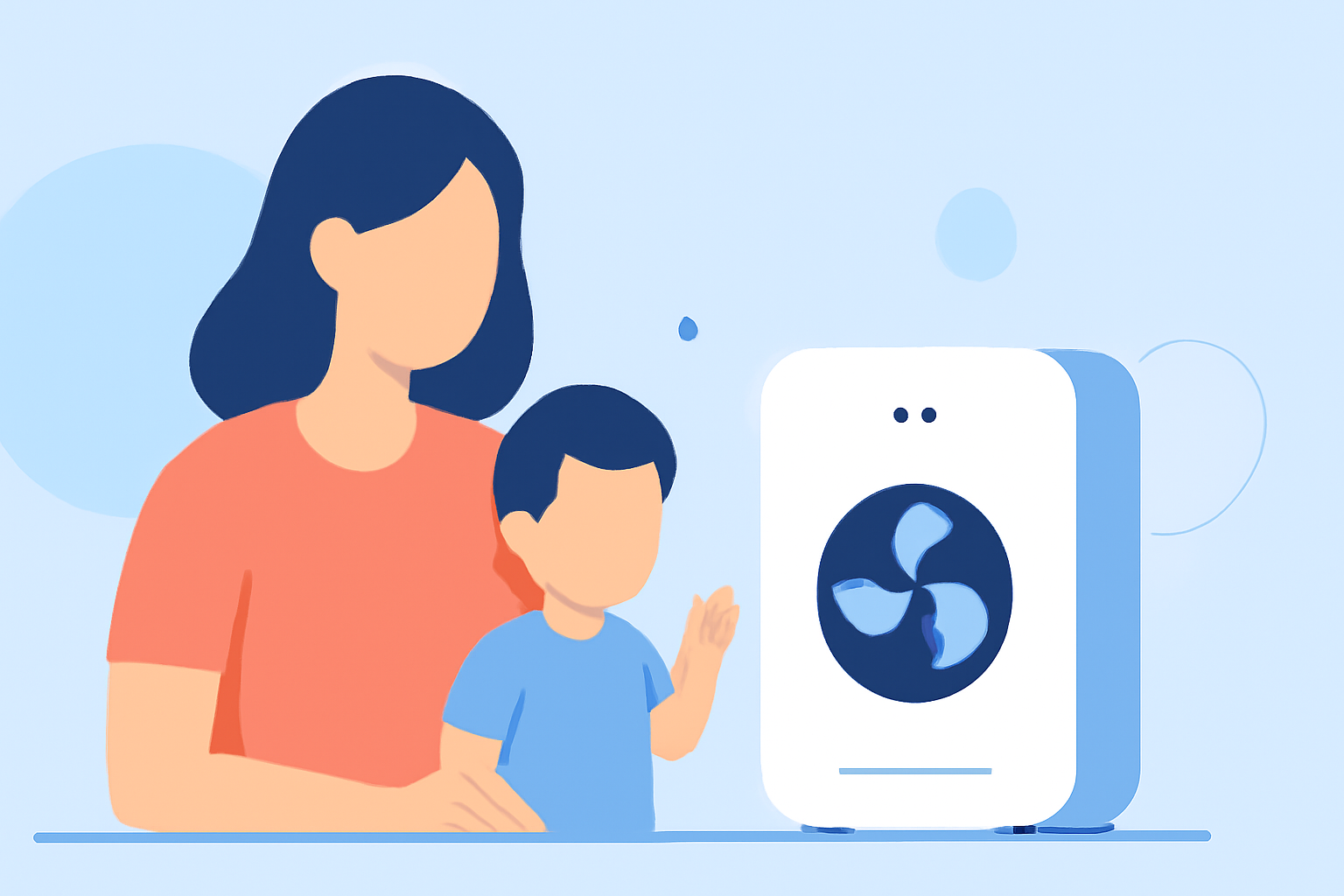
Ensuring clean air in your home is vital for your family's health, especially for your children. Air purifiers can significantly reduce airborne pollutants, allergens, and irritants, creating a safer environment for your little ones.
Why Is Air Quality Important for Children?
Children breathe more air relative to their body weight than adults, making them particularly susceptible to indoor air pollutants. Exposure to contaminants like dust, pollen, pet dander, and mold spores can lead to respiratory issues, allergies, and disrupted sleep patterns. Improving indoor air quality can support better health and comfort for your children.
How Do Air Purifiers Work?
Air purifiers operate by drawing in air, filtering out contaminants, and releasing purified air back into the room. The process typically involves:
- Air Intake: A fan pulls in the surrounding air.
- Filtration: The air passes through one or more filter stages, such as pre-filters, HEPA filters, and activated carbon filters.
- Clean Air Output: The purified air is then released back into the room.
This continuous cycle helps maintain a cleaner indoor environment.
What Should Parents Look for in an Air Purifier?
When selecting an air purifier for your home, consider the following features:
- True HEPA Filtration: Captures at least 99.97% of airborne particles as small as 0.3 microns, including dust, pollen, and pet dander.
- Activated Carbon Filter: Absorbs odors and volatile organic compounds (VOCs) emitted from household products.
- Quiet Operation: Ensures minimal noise disruption, especially during your child's sleep.
- Ozone-Free Technology: Avoids the production of ozone, which can irritate the respiratory system.
- Appropriate Room Size Coverage: Matches the purifier's capacity to the size of the room for optimal performance.
How to Use an Air Purifier Effectively?
To maximize the benefits of your air purifier:
- Placement: Position the purifier in a central location, away from obstructions, to ensure efficient air circulation.
- Continuous Operation: Keep the purifier running continuously, especially during high pollution periods, to maintain consistent air quality.
- Monitor Air Quality: Some purifiers come with air quality sensors that adjust settings based on real-time conditions.
How to Maintain Your Air Purifier?
Regular maintenance ensures your air purifier operates efficiently:
- Turn Off and Unplug: Always power off and unplug the unit before cleaning.
- Clean the Exterior: Wipe down the outside with a soft, slightly damp cloth to remove dust and dirt.
- Clean or Replace Filters: Depending on the type, clean washable filters with warm water and let them dry completely before reinstalling. Replace disposable filters as recommended by the manufacturer.
- Check for Obstructions: Ensure that air intake and outlet vents are free from blockages to maintain optimal airflow.
When Should You Replace the Filters?
Filter replacement depends on the type and usage:
- Carbon Filters: Typically replaced every 3 months.
- HEPA Filters: Generally replaced every 12 to 18 months.
- Permanent Filters: Cleaned every 3 months; replaced when worn or damaged.
Regularly checking the manufacturer's guidelines and setting reminders can help maintain air purifier efficiency.
Conclusion
Investing in a high-quality air purifier and maintaining it properly can significantly enhance your home's air quality, providing a healthier environment for your children. By selecting the right purifier, using it effectively, and adhering to a regular maintenance routine, you can ensure that your family breathes cleaner, fresher air every day.