
Air Quality Index Guide for Pet Owners
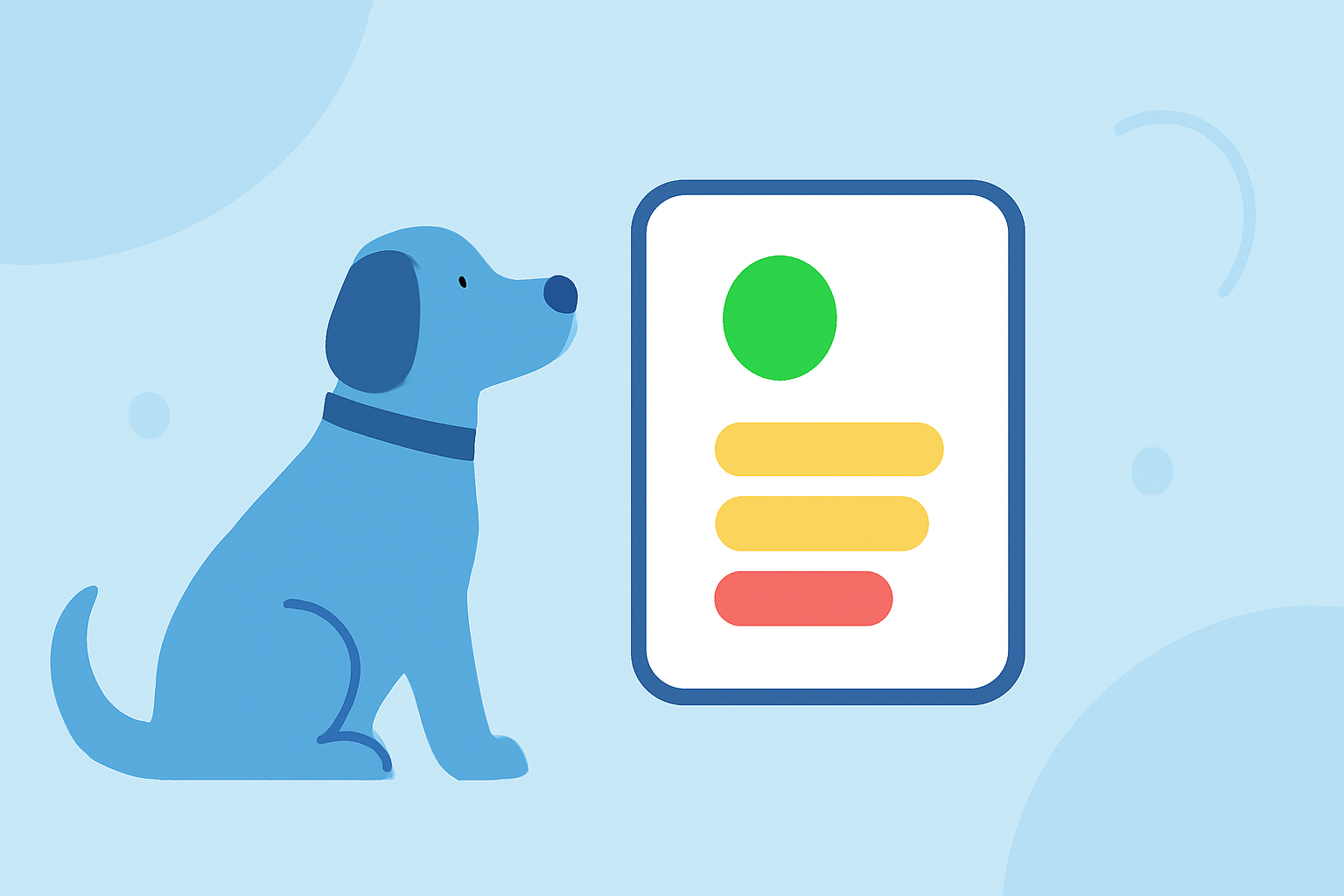
As a pet owner, ensuring your furry friends' health involves more than just regular vet visits and a balanced diet. The quality of the air they breathe plays a crucial role in their overall well-being. Understanding the Air Quality Index (AQI) and its impact on pets is essential for their safety.
What Is the Air Quality Index (AQI)?
The AQI is a standardized tool used to communicate how polluted the air currently is or how polluted it is forecast to become. It measures the concentration of pollutants like ground-level ozone, particulate matter, carbon monoxide, sulfur dioxide, and nitrogen dioxide. The AQI scale ranges from 0 to 500, with higher values indicating worse air quality. (en.wikipedia.org)
How Does AQI Affect Pets?
Pets, especially dogs and cats, are susceptible to air pollution. They inhale pollutants that can lead to respiratory issues, allergies, and other health problems. For instance, dogs with short noses (brachycephalic breeds) and older pets are particularly vulnerable. (usairquality.us)
AQI Categories and Their Implications for Pets
The AQI is divided into categories that indicate potential health effects:
-
0–50 (Good): Air quality is satisfactory, posing little or no risk to pets.
-
51–100 (Moderate): Air quality is acceptable; however, there may be a moderate health concern for a small number of pets sensitive to air pollution.
-
101–150 (Unhealthy for Sensitive Groups): Pets with respiratory problems may be affected.
-
151–200 (Unhealthy): All pets may experience health effects.
-
201–300 (Very Unhealthy): Health alert: everyone may experience more serious health effects.
-
301–500 (Hazardous): Health warning of emergency conditions: everyone is more likely to be affected. (en.wikipedia.org)
How to Protect Your Pets from Poor Air Quality
-
Monitor the AQI: Regularly check the AQI in your area to stay informed about air quality levels.
-
Limit Outdoor Activities: On days when the AQI is above 100, reduce the duration and intensity of outdoor activities for your pets. (usairquality.us)
-
Create an Indoor Play Area: Ensure your pets have a safe and stimulating environment indoors to keep them active and engaged.
-
Keep Windows and Doors Closed: On days with poor air quality, keep windows and doors closed to prevent outdoor pollutants from entering your home. (aireserv.com)
-
Use Air Purifiers: Invest in air purifiers equipped with HEPA filters to reduce indoor pollutants.
-
Consult Your Veterinarian: If you notice any signs of respiratory distress in your pets, such as coughing, sneezing, or lethargy, seek veterinary advice promptly.
Recognizing Signs of Respiratory Distress in Pets
Pets may not always show overt signs of discomfort due to poor air quality. However, be vigilant for symptoms like:
-
Coughing or gagging
-
Excessive panting
-
Watery eyes
-
Sneezing
-
Lethargy or reluctance to exercise
If you observe any of these signs, it's advisable to consult your veterinarian.
Conclusion
Being proactive about monitoring air quality and understanding its impact on your pets is vital for their health and happiness. By staying informed and taking appropriate precautions, you can ensure that your pets lead a comfortable and healthy life, regardless of the air quality in your area.
Highlights:
- Air Quality Alert Sparks Warning for Pet Owners - Newsweek, Published on Monday, May 13