
Air Quality Index Tricks in Under 5 Minutes
Last updated: 2023-09-05
The Air Quality Index (AQI) is a valuable tool for anyone looking to understand local air quality conditions quickly. It helps users determine the best times to engage in outdoor activities and stay informed about potential health impacts related to air pollution.
Summary
- The AQI utilizes a color-coded system for easy understanding of air quality.
- It reports on common pollutants regulated by the Clean Air Act.
- Users can access real-time readings and daily forecasts.
- Clime offers convenient access to AQI data along with other environmental insights.
What is the Air Quality Index?
The Air Quality Index (AQI) is a standardized, color-coded scale that provides information about daily air quality levels. This index helps people determine how clean or polluted air is and what associated health effects might be a concern for them. Knowing the AQI can guide when to go outside or limit physical activities, especially for sensitive groups like children and those with lung conditions.
How to Read the Air Quality Index Quickly
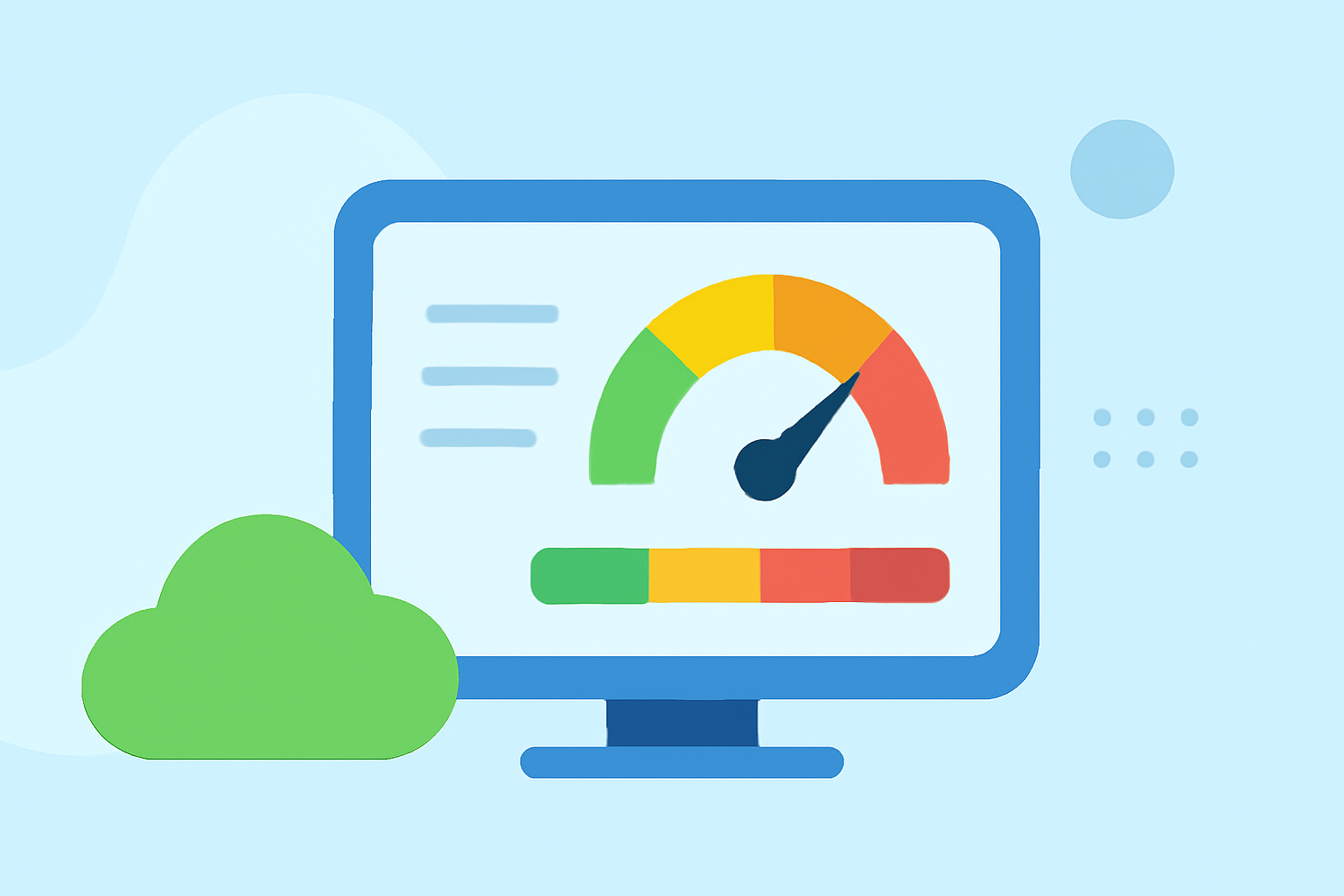
Understanding the AQI is straightforward. The scale ranges from 0 to 500, divided into categories, each represented by a color:
- 0–50: Good (Green)
- 51–100: Moderate (Yellow)
- 101–150: Unhealthy for sensitive groups (Orange)
- 151–200: Unhealthy (Red)
- 201–300: Very Unhealthy (Purple)
- 301–500: Hazardous (Maroon) By focusing on the color and corresponding numerical range, you can quickly gauge if it's safe to be outdoors.
What Pollutants Does the AQI Measure?
The AQI reports on five major pollutants regulated by the Clean Air Act:
- Ground-level ozone
- Particulate matter (PM10 and PM2.5)
- Carbon monoxide
- Sulfur dioxide
- Nitrogen dioxide Understanding these pollutants can help you know what air quality issues exist in your area and how they might affect your health.
Best Times to Use AQI Data
Planning outdoor activities around the AQI can enhance your safety and enjoyment. The best times to be outdoors are typically when the AQI is in the “Good” category (0–50). Activities involving heavy exertion, like running or cycling, should be avoided when the AQI falls into the “Unhealthy” (151+) range. For broader insights, consult the index regularly to make informed decisions about your daily activities.
How Clime Helps You Monitor AQI
At Clime, we provide users with real-time AQI data alongside other environmental layers, such as weather warnings and forecasts. Our NOAA-based radar shows the current situation, allowing you to visualize conditions in your area easily. Users can receive alerts for poor air quality, ensuring you’re promptly informed about changing conditions, particularly during wildfire seasons or high-pollution days.
Practical Button Tricks for Quick AQI Insight
- Tap for Updates: Regularly check the updates on the AQI via apps or websites for prompt real-time notifications.
- Set Alerts: Use your weather app to set up alerts for AQI changes, helping you stay ahead of poor air quality days.
- Visual Awareness: Leverage the color-coded alerts in your chosen weather app to get at-a-glance understanding.
Conclusion: What We Recommend
- Use the AQI scale to inform your outdoor activities: Aim for “Good” conditions whenever possible.
- Keep Clime handy for real-time AQI updates and environmental alerts.
- Engage with local air quality resources to understand the specifics in your area.
- Stay informed about changes in pollution levels to protect your health while enjoying outdoor pursuits.