
Understanding Aircraft De-Icing and Road De-Icing for Winter Travel
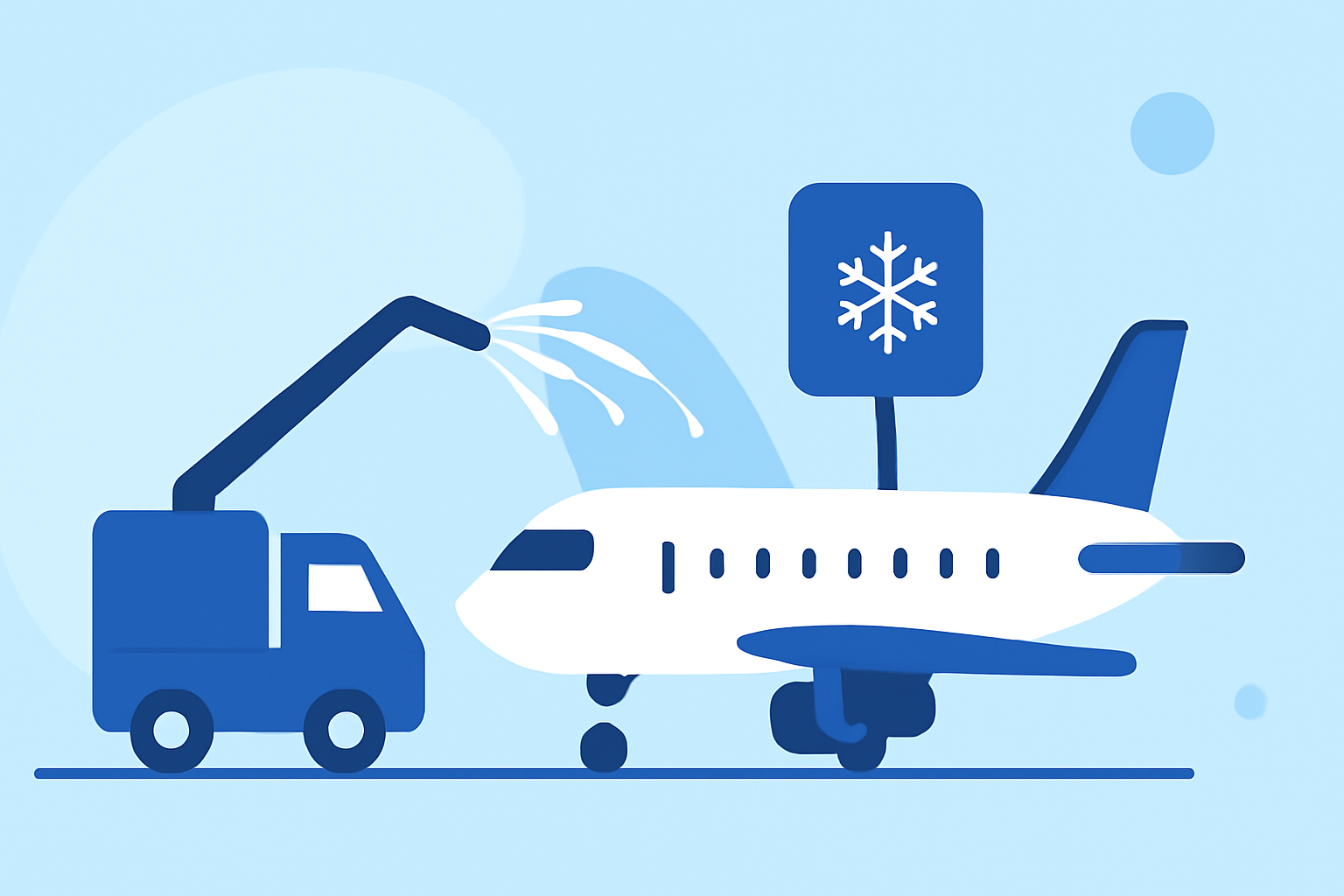
Winter weather poses significant challenges for both air and road travel, primarily due to the accumulation of ice and snow on vehicles and aircraft. Understanding the de-icing processes for both can enhance safety and efficiency during your winter journeys.
What Is Aircraft De-Icing and Why Is It Necessary?
Aircraft de-icing involves removing ice, snow, or frost from an aircraft's surfaces before takeoff. This is crucial because frozen contaminants can increase weight, disrupt aerodynamics, and impair lift, all of which compromise flight safety. The de-icing process typically includes spraying heated de-icing fluids over critical areas such as wings, tailplanes, and control surfaces. In some cases, an anti-icing layer is applied afterward to prevent further accumulation during flight. (jetapp.com)
How Is Aircraft De-Icing Performed?
De-icing is conducted by trained ground handling crews using specialized equipment. The procedure generally involves:
-
Removal of Frozen Contaminants: Applying heated de-icing fluids to melt and remove ice, snow, or frost from the aircraft's surfaces.
-
Application of Anti-Icing Fluids: If necessary, spraying a protective layer to prevent new ice from forming during flight.
The duration of de-icing depends on the aircraft's size and the weather conditions but typically takes a few minutes. (lot.com)
What Are Road De-Icing Methods and Why Are They Important?
Road de-icing refers to the application of substances to melt ice and snow on roadways, enhancing traction and reducing accidents. Common de-icing agents include rock salt, calcium chloride, and magnesium chloride. While effective, these chemicals can harm the environment and infrastructure. Therefore, it's essential to use them judiciously and consider alternative methods when possible. (tomsguide.com)
How Can Planes Live Assist with Winter Travel Planning?
Planning winter trips requires careful consideration of weather conditions and potential delays. Planes Live offers real-time weather updates, flight status information, and alternative route suggestions, helping travelers make informed decisions and adjust plans as needed. By utilizing Planes Live, you can navigate winter travel challenges more effectively, ensuring a safer and more efficient journey.
FAQs
What is the difference between de-icing and anti-icing?
De-icing removes existing ice, snow, or frost from an aircraft's surfaces, while anti-icing applies a protective layer to prevent new ice from forming during flight. (jetapp.com)
How long does the de-icing process take?
The duration varies based on the aircraft's size and weather conditions but typically takes a few minutes. (lot.com)
What are the environmental impacts of road de-icing?
Traditional de-icing agents like rock salt can harm the environment by contaminating water sources and damaging vegetation. Alternative methods, such as using sand or environmentally friendly de-icers, can mitigate these effects. (tomsguide.com)
How can Planes Live help with winter travel planning?
Planes Live provides real-time weather updates, flight status information, and alternative route suggestions, assisting travelers in making informed decisions and adjusting plans as needed during winter conditions.
Is Planes Live available for both air and road travel planning?
Yes, Planes Live offers comprehensive information for both air and road travel, including weather forecasts, traffic updates, and safety tips, to support your winter travel planning.
By understanding the de-icing processes for both aircraft and vehicles, and utilizing resources like Planes Live, you can enhance your safety and efficiency during winter travel.