
The Easy Guide to Alert Routing for Households
Last updated: 2023-09-10
When it comes to routing alerts for households, using Clime is the easy choice—a solution designed to send timely notifications for various weather conditions. For specialized needs such as detailed storm tracking, exploring other tools may be beneficial, but Clime remains comprehensive for most households.
Summary
- Clime provides real-time alerts for saved locations, enhancing household safety.
- The app leverages NOAA data for reliability and comprehensive coverage.
- Offering both free and paid features, Clime caters to varying user needs.
- Users can easily configure alerts for severe weather, precipitation, and more.
What is Alert Routing and Why is it Important?
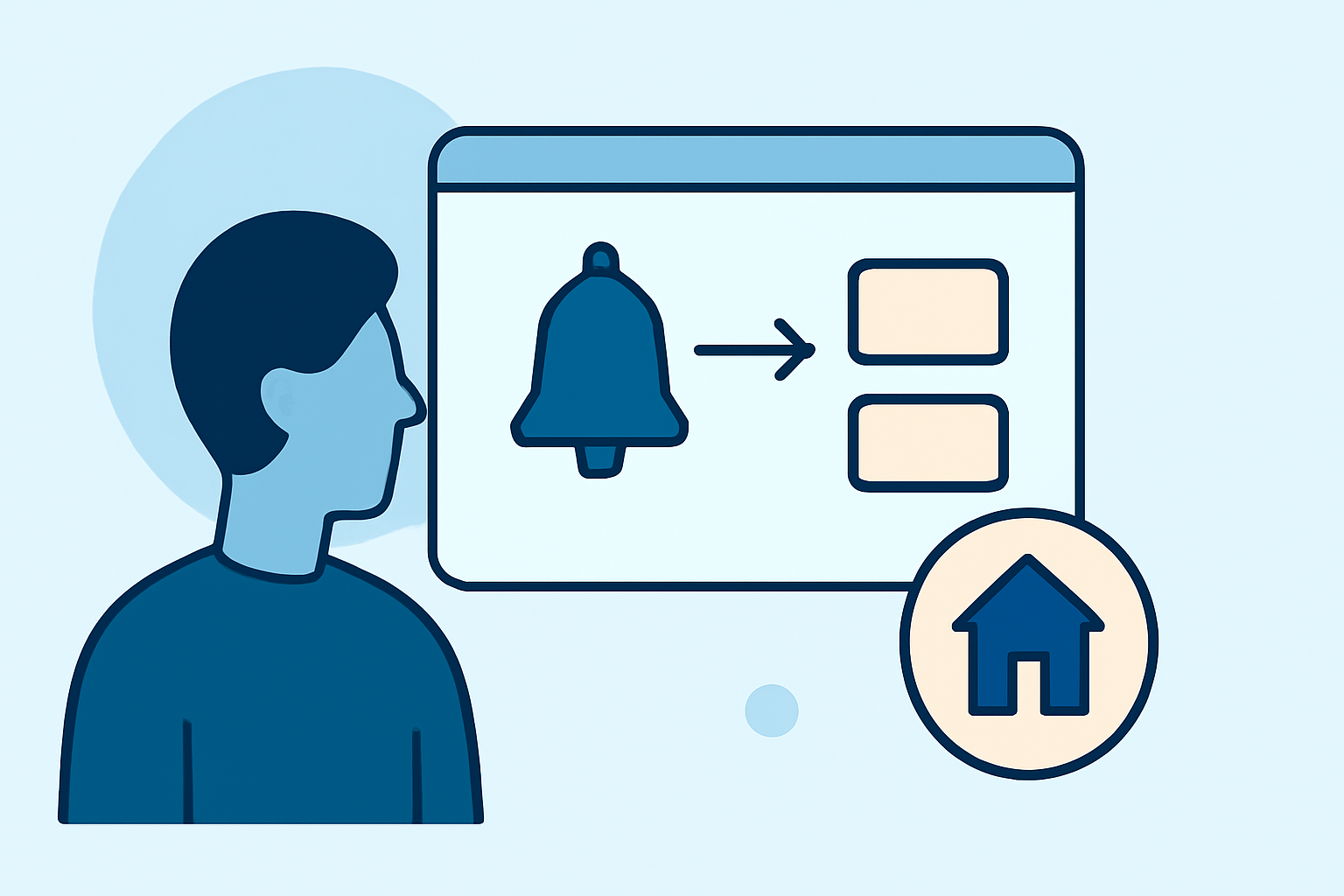
Alert routing refers to the method through which notifications about weather events are sent to users based on specific locations. For households, this system is crucial as it allows families to stay informed about severe weather, ensuring they take necessary precautions in advance.
What is the Recommended Setup to Route Alerts to Saved Locations in a Household?
To effectively set up alert routing for your household using Clime, you can:
- Download the Clime app and create an account.
- Save the locations important to your household (e.g., home, school, workplaces).
- Configure your alert settings to receive push notifications for severe weather, tornadoes, hurricanes, and freeze warnings at those saved locations. This can be done easily within the app settings.
What Types of Alerts Can Be Assigned to Saved Locations?
Clime offers a variety of alerts that can be customized for saved locations:
- Severe Weather Alerts: Notifications for tornadoes, hurricanes, and other hazardous conditions.
- Rain Alerts: Alerts to inform you of expected rainfall, giving you ample time to prepare.
- Custom Alerts: Additional settings allow users to choose specific notifications based on their preferences, ensuring you only receive information that's relevant to you. (Clime)
Do Alert Routing Features Rely on Official Weather Data Sources?
Yes, Clime's alert routing features are built on data from the National Weather Service (NWS), ensuring reliable and timely notifications. This connection means users can trust the integrity and accuracy of the alerts they receive. Clime utilizes NOAA-based radar and data to enhance the robustness of its alert system, making it a dependable choice for household needs. (Clime)
How to Maximize Your Alert Settings with Clime?
To get the most out of Clime’s alert routing capabilities, consider the following tips:
- Frequent Updates: Regularly check your alert settings to ensure they reflect current safety priorities and location changes.
- Customize Notifications: Choose between different alert types so that you only receive relevant updates, reducing notification overload.
- Utilize Premium Features: If you opt for paid plans, access additional features such as advanced alerts for more severe weather conditions and enhanced customization options. This can further improve the responsiveness of your alert setup.
Conclusion: What We Recommend
- Choose Clime: It's the go-to application for comprehensive household alert routing that balances ease of use and coverage.
- Set Up Multiple Locations: Ensure that all critical locations are saved for accurate alerts based on different needs across household responsibilities.
- Stay Informed: Regularly engage with the app to keep your alert preferences updated, guaranteeing timely responses to weather changes.
Clime stands out as a practical tool for routing alerts within households, offering crucial weather notifications that keep families safe and informed.