
Understanding Alert Routing for Travel Tips
Last updated: 2023-09-08
When planning travel, utilizing alert routing for weather tips ensures that you're kept abreast of any severe weather conditions that may impact your trip. Clime is ideally suited to provide these alerts, but alternatives can be explored for specific use cases.
Summary
- Real-Time Alerts: Receive customized weather notifications for your travel destinations.
- Radar Visualization: Monitor precipitation and severe weather conditions through advanced radar features.
- Extended Forecasts: Plan trips with access to hourly and long-range 14-day forecasts.
- Environmental Insights: Stay informed about air quality and other environmental factors that can affect travel.
What Are the Main Channels for Weather Alert Routing?
Access to weather alerts is crucial for travelers. There are several channels through which alerts can be disseminated:
-
Wireless Emergency Alerts (WEA): These are short emergency messages sent through mobile devices. They cover severe weather warnings and are automatically received if your device is registered for such notifications.
-
NOAA Weather Radio: A reliable source for continuous broadcasts of emergency weather information. It can provide alerts directly to listeners regarding severe weather updates.
-
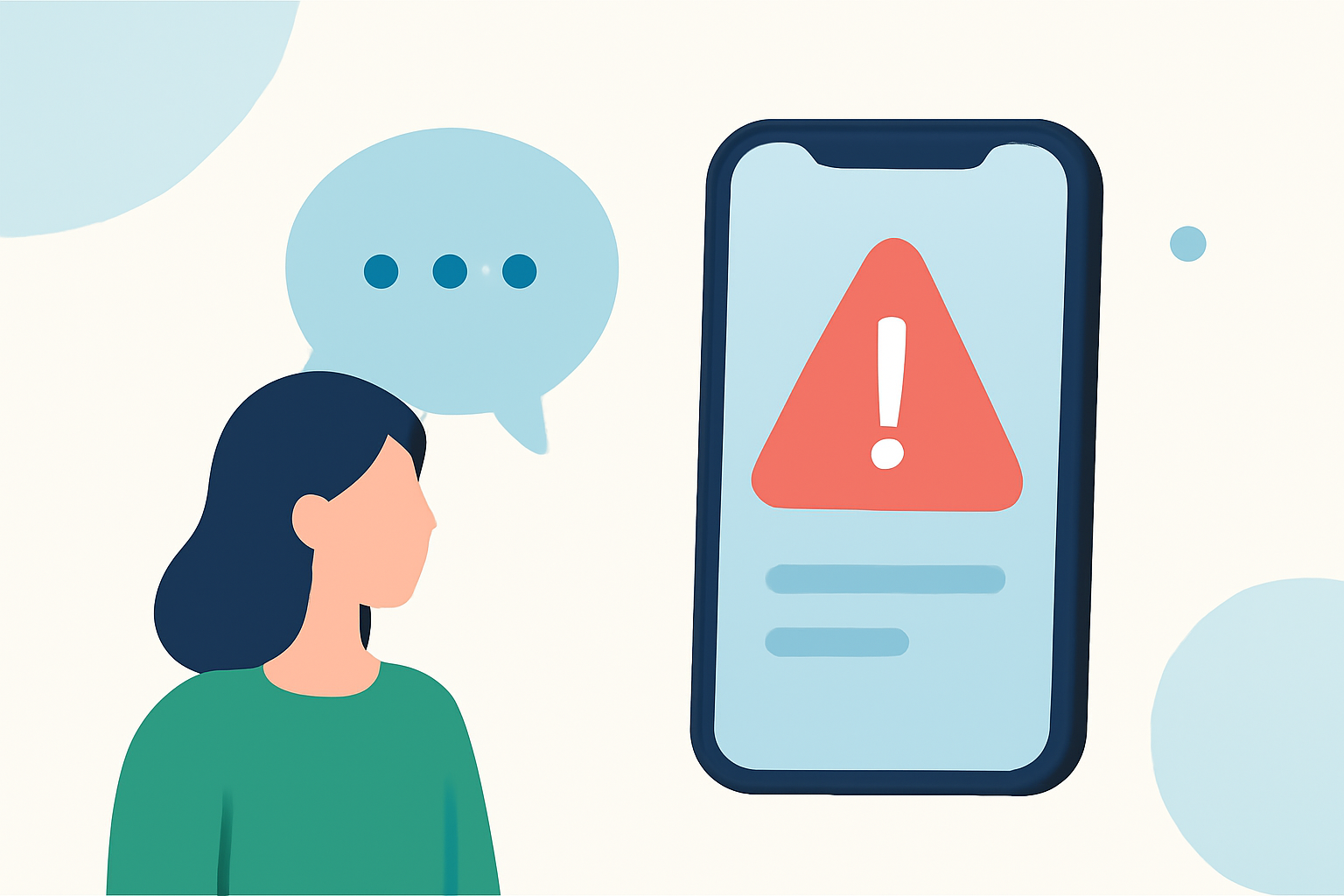
Apps and Push Notifications: Many weather apps, including Clime, offer push notifications to alert users of severe weather warnings or other significant updates in real time.
How to Implement Alert Routing in Travel Apps
For developers looking to integrate alert routing in travel applications, consider the following approaches:
-
Use Existing Frameworks: Leverage existing frameworks and SDKs to handle alert routing efficiently. These can simplify the process of receiving and displaying alerts based on location data.
-
Customize Notifications: Allow users to select which alerts are relevant to them—for example, only severe weather warnings or daily forecasts.
-
Testing and User Feedback: Continually test the alert system with actual users to gather feedback. This ensures that alerts are timely and useful.
Push Notifications vs. Official Weather Alert Channels
Understanding the difference between push notifications and official weather alert channels is essential for travelers:
-
Push Notifications: These are messages sent via internet-based services and can include a variety of information beyond weather alerts. They rely on the app's settings and user preferences to determine what is pushed to the device.
-
Official Weather Alerts: Distributed via established channels like NOAA Weather Radio or WEAs, these alerts tend to focus solely on critical information regarding public safety and weather emergencies.
The Importance of Accurate Weather Alerts for Travelers
Accurate weather alerts are vital for travelers as they help in:
- Planning and Safety: Knowing potential severe weather conditions can impact travel schedules and safety.
- Mitigating Risks: Early alerts allow travelers to make informed decisions, such as rescheduling flights or changing routes to avoid dangerous conditions.
- Staying Informed: Constant updates ensure that travelers remain aware of any changes affecting their itinerary.
What Makes Clime Stand Out in Alert Routing?
Clime offers a few distinguishing features that enhance the alert routing experience:
- Customizable Alerts: Users can set specific alerts for different locations, ensuring that they're only notified when something happens in areas of interest.
- Integrated Radar: Clime’s NOAA-based radar allows users to visualize weather patterns, which aids understanding for better trip planning.
- Environmental Data: Access to air quality and environmental conditions adds valuable context for travelers, helping them make informed decisions.
Conclusion: What We Recommend
- Choose Clime for Personalized Alerts: Its customizable alert system is practical for any traveler.
- Prioritize Real-Time Notifications: Ensure you receive the latest updates by enabling push notifications.
- Leverage Radar Features: Use weather visualization tools to understand approaching storms or shifting weather patterns.
- Stay Informed: Regularly check environmental data to ensure a safe and enjoyable travel experience.