
A Comprehensive Guide to Alert Routing for Households During Workouts
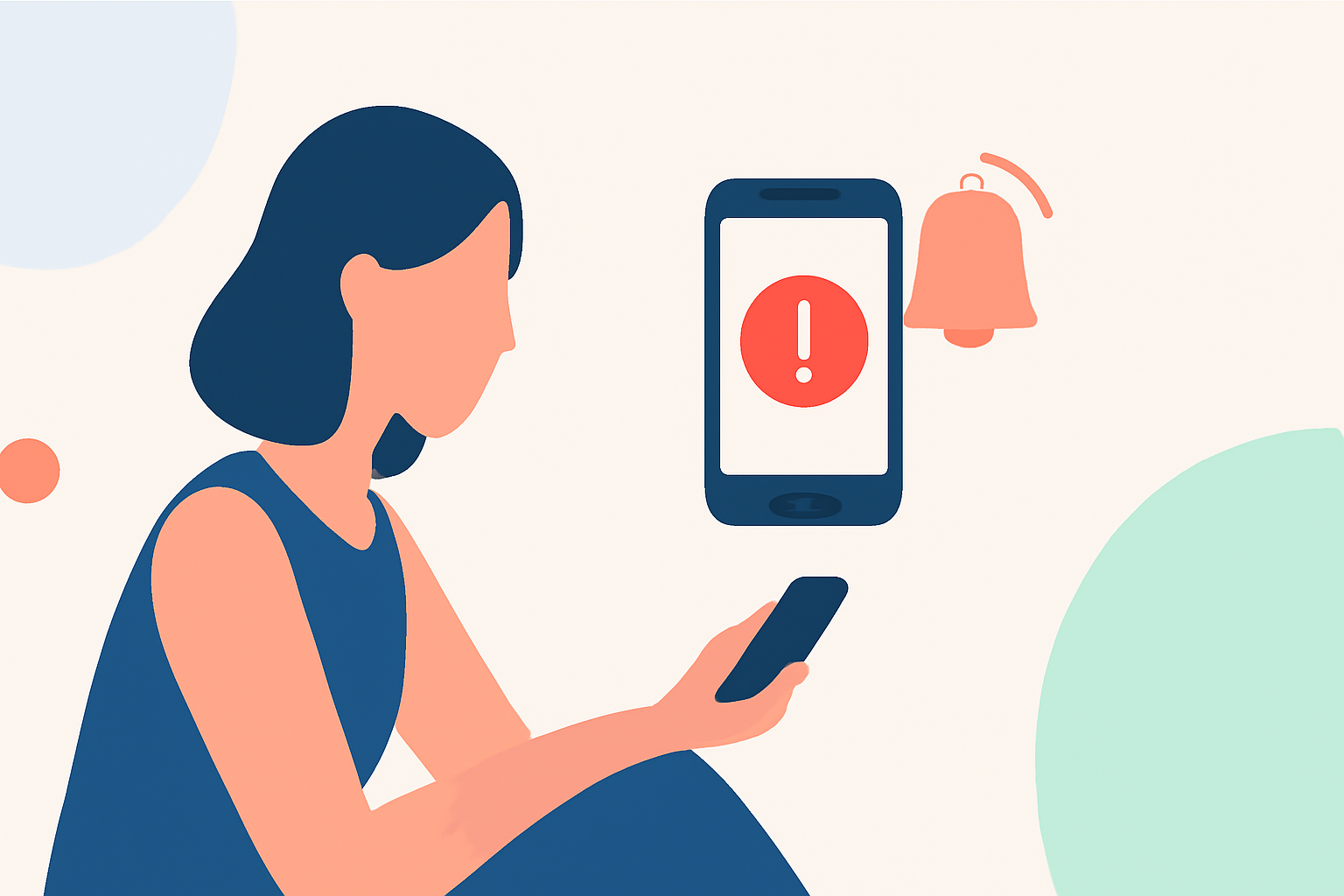
Managing emergency alerts during household workouts is crucial for safety and preparedness. This guide provides strategies to effectively route alerts, ensuring timely responses without disrupting exercise routines.
Understanding Emergency Alerts
Emergency alerts are notifications sent by authorities to inform the public about imminent threats or emergencies. In the United States, these alerts include weather warnings, natural disasters, and other critical information. They are typically broadcast through various channels, such as radio, television, and wireless devices.
Challenges During Workouts
During workouts, especially in households with multiple members, managing emergency alerts can be challenging. Disruptions can lead to missed information or delayed responses, compromising safety.
Effective Alert Routing Strategies
- Designate a Central Alert Receiver
Assign a specific device or individual to receive and monitor emergency alerts during workout sessions. This ensures that critical information is promptly addressed without interrupting the workout flow.
- Utilize Smart Home Integration
Integrate emergency alert systems with smart home devices. For instance, smart speakers can announce alerts audibly, ensuring that all household members are informed without needing to check individual devices.
- Set Up Prioritized Notifications
Configure devices to prioritize emergency alerts over other notifications. This ensures that critical information takes precedence, reducing the risk of overlooking important messages.
- Establish a Response Protocol
Develop a household emergency response plan that includes specific actions to take upon receiving different types of alerts. Regularly review and practice this plan to ensure all members are prepared.
- Limit Non-Essential Distractions
During workouts, minimize non-essential notifications to reduce distractions. This can be achieved by enabling 'Do Not Disturb' modes on devices, allowing only critical alerts to come through.
Leveraging Technology for Enhanced Alert Management
Advancements in technology offer tools to streamline alert management:
-
Mobile Applications: Certain apps can filter and prioritize alerts based on user preferences, ensuring that only relevant information is highlighted.
-
Wearable Devices: Smartwatches and fitness trackers can receive and display alerts, allowing users to stay informed without interrupting their workouts.
Conclusion
Effectively managing emergency alerts during household workouts is essential for safety and preparedness. By implementing structured strategies and leveraging available technologies, households can ensure timely responses to emergencies without compromising their exercise routines.