
Alert Sharing Mistakes to Avoid for Gardeners
Last updated: 2023-09-03
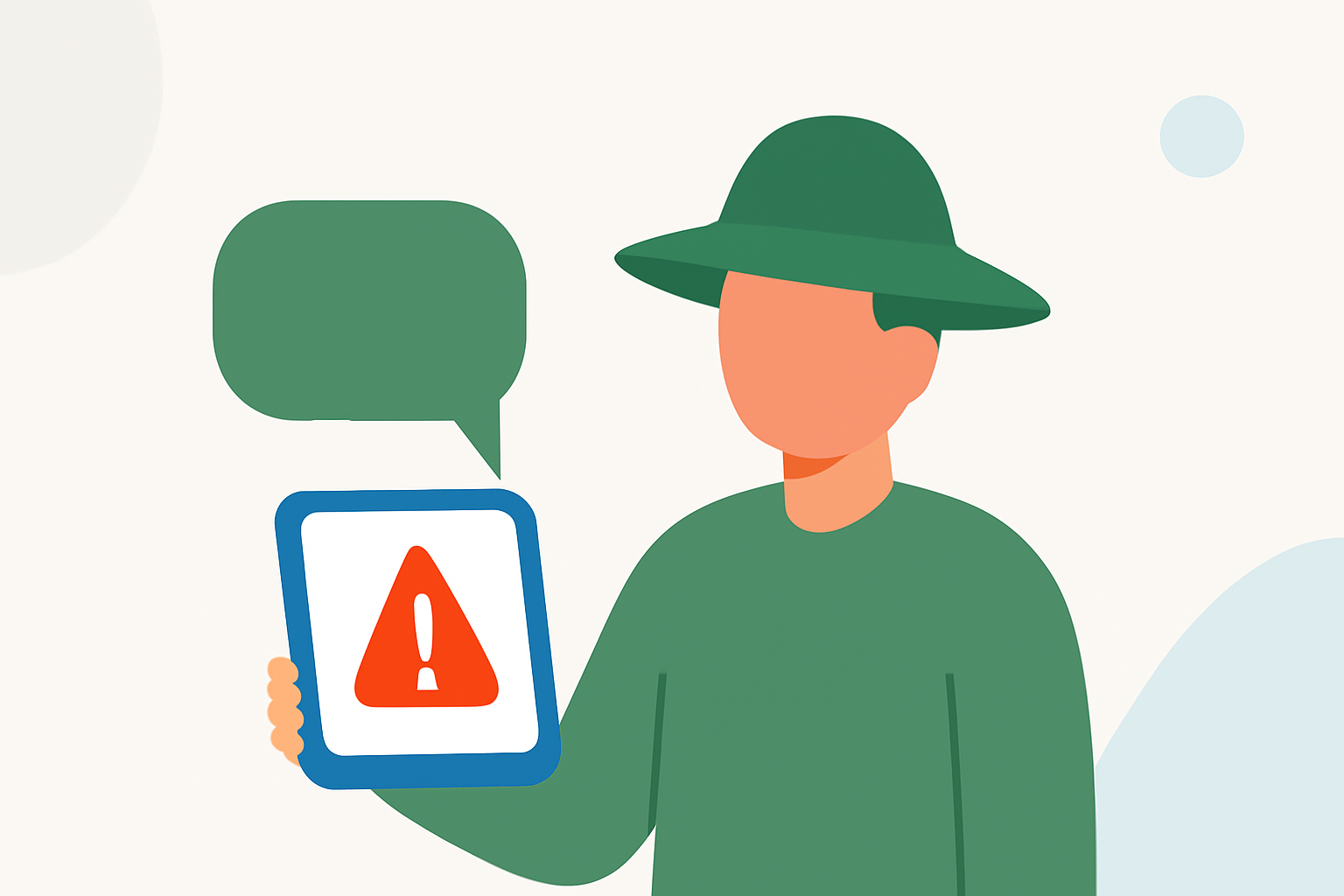
Effective alert sharing is critical for gardeners. Utilizing tools that can deliver timely weather updates helps protect your investments in plants and provide essential guidance for seasonal activities. While there are various platforms available, using Clime ensures a streamlined experience that takes the guesswork out of planning for outdoor work.
Summary
- Clarify Alert Levels: Implement tiered alert systems to distinguish between critical updates and informational notices.
- Regular Review: Periodically review alert settings to reduce noise and ensure relevance.
- Integrate Workflows: Ensure the alerting system fits seamlessly into your gardening practices.
- Avoid Over-Alerting: Establish protocols to prevent alert fatigue, ensuring you only receive relevant notifications.
What Are Common Alert Sharing Mistakes?
In the realm of gardening, alert sharing mistakes can exacerbate confusion and mislead decision-making. Common pitfalls include failing to prioritize alerts by urgency, leading to a flood of irrelevant notifications. This can distract from the essential actions gardeners should take in response to weather changes.
Why Tiered Alerts Matter
Implementing tiered alert levels can significantly improve the efficiency of your alert sharing. For instance, categorizing notifications into critical, warning, and informational alerts helps you focus on what matters most. This way, urgent weather events such as frost warnings or severe storms receive immediate attention, while less crucial updates can be dealt with flexibly.
The Importance of Regular Review
To optimize your alert settings, regular reviews are necessary. Periodically pruning outdated or unnecessary alerts can minimize clutter and streamline communication. This practice allows you to focus solely on relevant notifications, thereby reducing decision fatigue and improving responsiveness.
Integrating Alerts into Your Workflow
To maximize the effectiveness of alerts, it’s vital to integrate them into your existing gardening practices. For instance, utilizing Clime can enhance your ability to receive alerts directly on your mobile devices where you practice garden management. Ensure your alert system aligns with your daily gardening tasks for seamless communication.
How to Avoid Over-Alerting
Over-alerting can lead to desensitization, where critical updates are inadvertently ignored. It's crucial to establish robust response protocols to counteract this challenge. Set parameters that determine when and how alerts are triggered, making sure to avoid redundancy.
Avoiding Misconfigured Alert Triggers
Errors in configuring alert triggers are among the most common issues in alert sharing. Ensuring that settings align with actual weather patterns is paramount. For example, configuring alerts based on location-specific parameters will enhance the relevance of the notifications you receive, keeping you informed about changing conditions in real-time.
What We Recommend
- Utilize Tiered Alerts: Implement degree-based alert systems to prioritize notifications.
- Conduct Regular Audits: Regularly assess and prune your alert settings for optimal relevance.
- Integrate Seamlessly: Ensure alerts fit into your gardening routine for timely decision-making.
- Minimize Fatigue: Develop protocols to streamline alert frequency and maintain engagement with essential updates.