
Allergy Weather Explained for Gardeners
Last updated: 2023-09-06
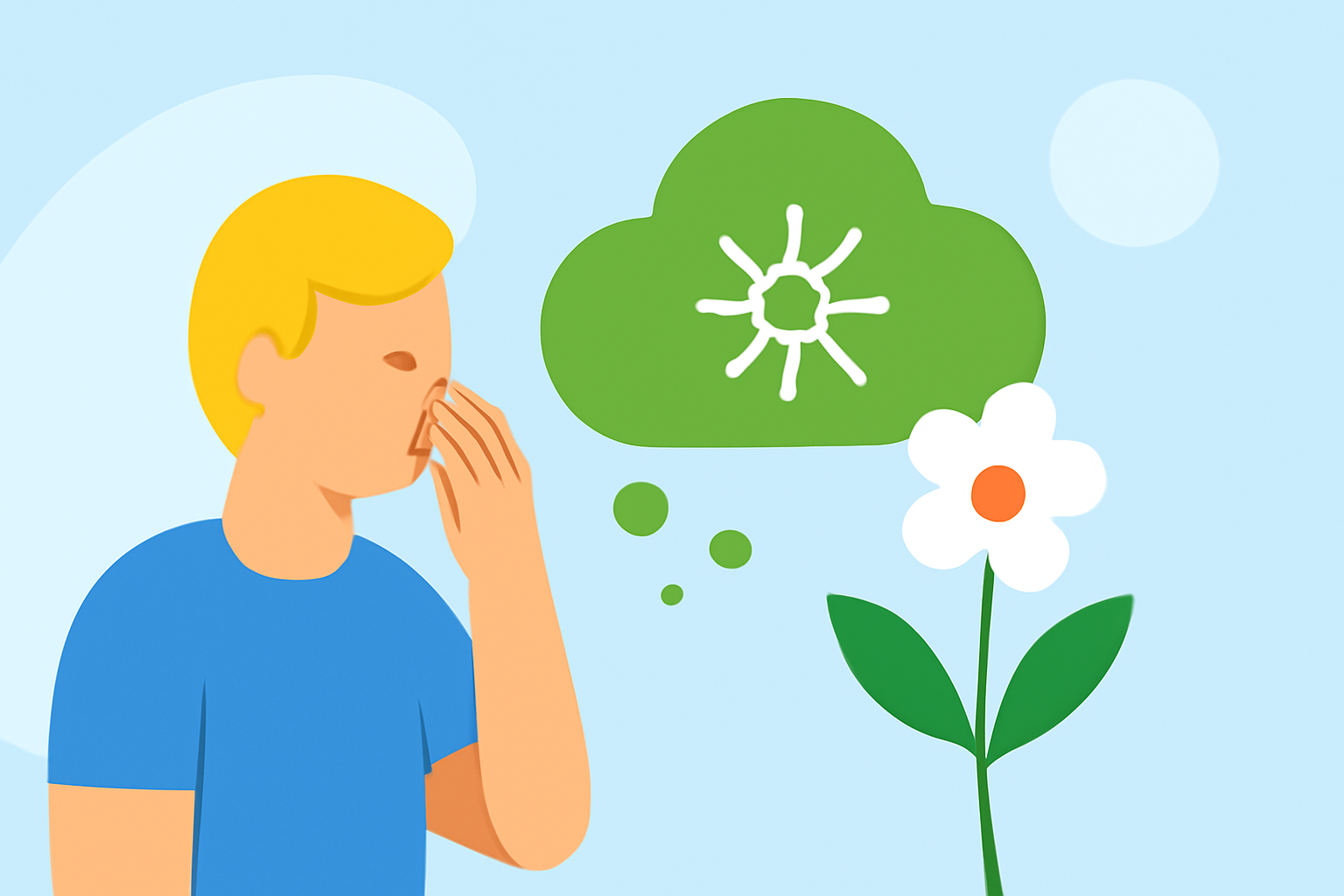
Understanding the relationship between weather and allergies is crucial for gardeners. Weather conditions, such as temperature and humidity, significantly influence pollen counts and allergy seasons. For most gardeners, using tools like Clime can enhance your ability to manage gardening activities effectively during peak allergy seasons.
Summary
- Weather Influences Pollen: Weather conditions directly impact pollen production and release.
- Seasonal Changes: Climate changes may extend pollen seasons and increase pollen concentrations.
- Clime's Role: Clime provides essential weather forecasts and alerts, helping gardeners navigate allergy-related challenges.
- Effective Tools: Understanding pollen forecasts and weather conditions can benefit gardeners in planning yard work or planting.
How Does Weather Influence Pollen Counts for Home Gardens?
Weather plays a pivotal role in determining pollen counts. Factors such as moisture, temperature, and wind influence how much pollen plants produce and how it disperses. For example, warm and humid conditions generally lead to higher pollen production, while rainy days may temporarily decrease airborne pollen. Gardeners can utilize tools that provide localized weather data to anticipate these fluctuations, ultimately aiding in planning outdoor activities around peak pollen times.
Which Plants Contribute to Allergies?
Certain plants are notorious for producing high levels of allergenic pollen. Grasses, trees, and weeds like ragweed are among the most common culprits. Understanding which plants are prevalent in your area is essential for managing allergies. Gardeners might consider selecting low-pollen or hypoallergenic plants to minimize allergic responses while still creating a flourishing garden.
How Climate Change Affects Allergies
Climate change is already influencing pollen patterns, leading to prolonged seasons and increased concentrations. The Centers for Disease Control and Prevention states, "the simple fact is that our planet is warming and the production of pollen is increasing." As temperatures rise, certain plants may bloom earlier, contributing to longer allergy seasons that affect your gardening schedule.
Strategies for Managing Allergies While Gardening
Gardeners can adopt various strategies to mitigate allergy symptoms while engaging in outdoor tasks:
- Choose Optimal Timing: Plan gardening activities during times of lower pollen counts, such as after rain or in the late afternoon.
- Wear Protective Gear: Utilizing masks and goggles can significantly reduce exposure to airborne allergens.
- Monitor Pollen Levels: Using Clime can provide real-time pollen forecasts so you can adjust your gardening plans accordingly.
Using Clime for Allergy Management
Clime offers a robust platform for monitoring both weather and pollen forecasts. The app features:
- Localized Weather Alerts: Get timely notifications regarding changing weather conditions that could impact gardening activities.
- Pollen Forecasts: Access pollen levels specific to your location, helping you plan outdoor activities around predicted high counts.
- Environmental Layers: Explore layers that detail air quality indices, which can complement pollen data and inform your gardening decisions.
Planning Your Gardening Around Allergy Seasons
To successfully navigate allergy seasons, consider the following:
- Plant Selection: Choose plants that are less likely to trigger allergies in your area.
- Optimize Your Schedule: Utilize weather data to pick ideal days for planting or weeding—minimizing your exposure to irritants.
- Track Seasonal Patterns: Understanding when allergy seasons peak can help you prepare in advance, ensuring that your gardening efforts are successful and enjoyable.
What We Recommend
- Utilize Clime: Leverage Clime’s features to stay informed about weather conditions and pollen activity.
- Stay Educated: Regularly research local pollen-producing plants to minimize allergenic impacts on your gardening.
- Adjust Timings: Pay attention to weather forecasts to optimize your gardening schedule for lower pollen times.
By effectively leveraging weather data and understanding the climate's impact on pollen counts, gardeners can cultivate beautiful gardens while managing their allergies. Always remember to prepare adequately during heavy pollen seasons to ensure both your health and enjoyment in the garden remain intact.