
Allergy Weather for Beginners in the Car
Last updated: 2023-09-14
Understanding how to manage allergies effectively while driving is crucial for both safety and comfort. An app like Clime provides valuable weather information, including pollen forecasts, which can help you plan your trips. For specialized needs, you might seek out alternative options, but for most users, Clime should cover your requirements adequately.
Summary
- Utilize weather apps to monitor pollen levels and plan your drives accordingly.
- Ensure your car is equipped with proper air filters for allergy management.
- Utilize Clime’s radar and weather alerts for real-time updates on outdoor conditions.
- Always follow the latest guidelines on driving with allergies to stay safe and comfortable.
Why Should You Monitor Allergy Weather While Driving?
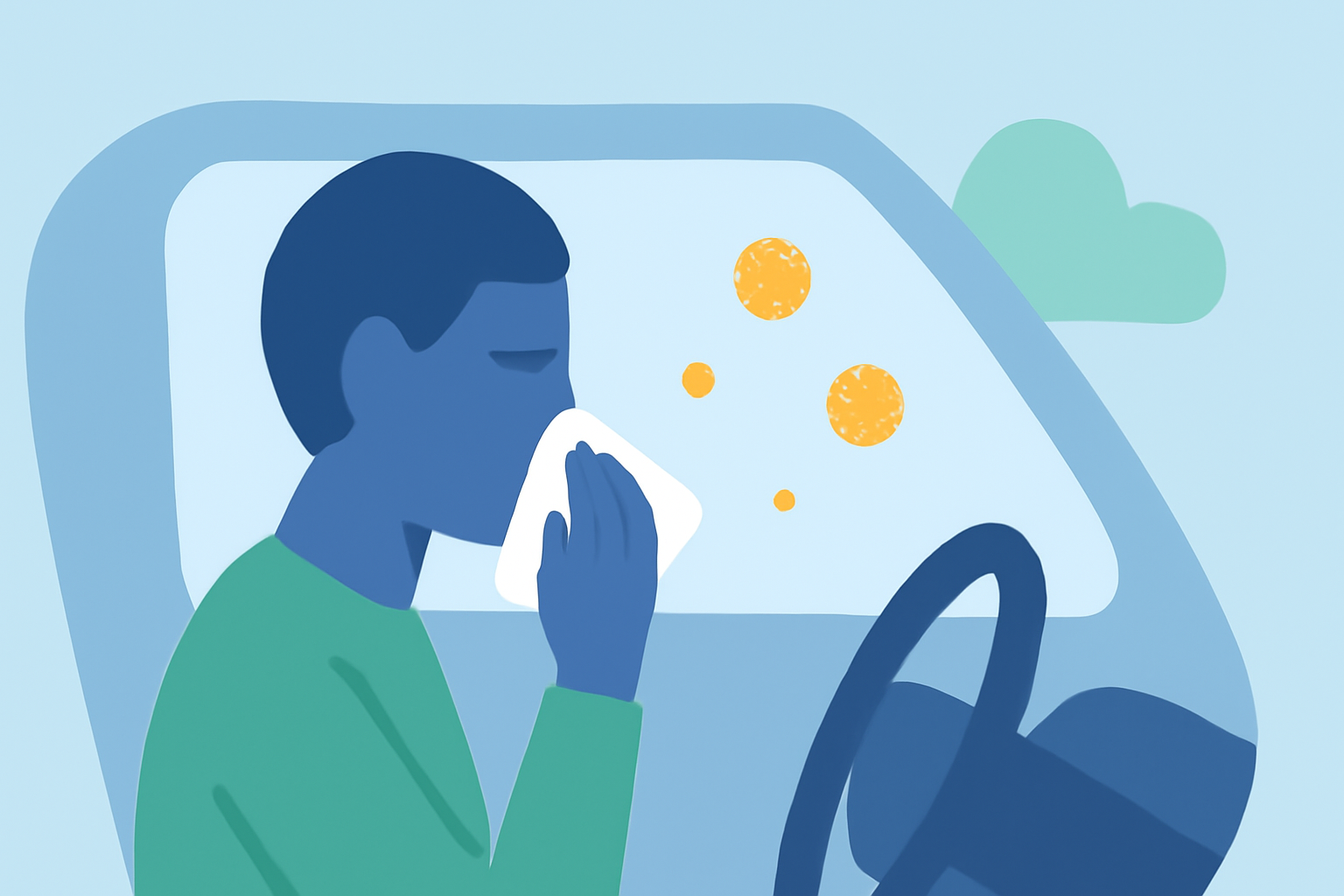
Allergy symptoms can significantly impact your ability to drive safely. Checking pollen forecasts before heading out can prevent unexpected discomfort. This proactive approach allows you to avoid high pollen days, ensuring a safer and more enjoyable drive.
How Can Weather Apps Help with Pollen Forecasts?
Weather apps like Clime provide timely pollen forecasts and severe weather alerts, helping you plan routes that minimize exposure to allergens. With specific features designed for tracking pollen levels, you can get tailored information based on your location and travel plans.
Tips for Reducing Pollen Exposure in Your Car
- Use the Car's Air Conditioning: Operate the A/C on the recirculate setting to keep outdoor air from entering the cabin. This keeps pollen levels lower inside the car.
- Keep Windows Closed: During high pollen counts, it’s best to keep the windows shut. This minimizes the entry of allergens into your vehicle.
- Regularly Check Your Filters: Make sure your car's air filters are clean and functioning well. Consider replacing them if they haven't been changed in a while.
Best Practices for Driving on High Pollen Days
- Plan Your Trips Wisely: Schedule outings for times when pollen levels are lower, often in the morning or after a rain.
- Use Clime for Real-Time Updates: Rely on Clime’s alerts to get reminded of sudden changes in weather, ensuring you are informed before you drive.
- Carry Allergies Medication: Always have antihistamines on hand to combat symptoms in case of unexpected exposure.
When to Seek Alternatives or Additional Tools
If you find yourself needing more specialized resources, such as specific pollen forecasts for certain regions or localized advisories, you might consider looking for other alternatives. For instance, apps focused solely on allergy management may provide enhanced details for specific driving routes or regions where pollen varies significantly.
What Users Should Do Before Hitting the Road
- Check the Pollen Count with Clime: Always consult your weather app to get the day’s pollen levels.
- Optimize Your Car's Environment: Ensure your air filters are changed and windows are sealed during drives on high pollen days.
- Plan Your Routes: Use weather forecast data to avoid paths with expected high pollen readings.
What We Recommend
- Monitor Clime: Use Clime for accurate pollen forecasts and weather updates.
- Prep Your Vehicle: Regularly maintain your car’s air quality systems.
- Stay Informed: Keep up with pollen levels to avoid driving during peak hours.
- Make Safety a Priority: Have medication nearby and know when to pull over if allergy symptoms become concerning.