
Allergy Weather Mistakes to Avoid
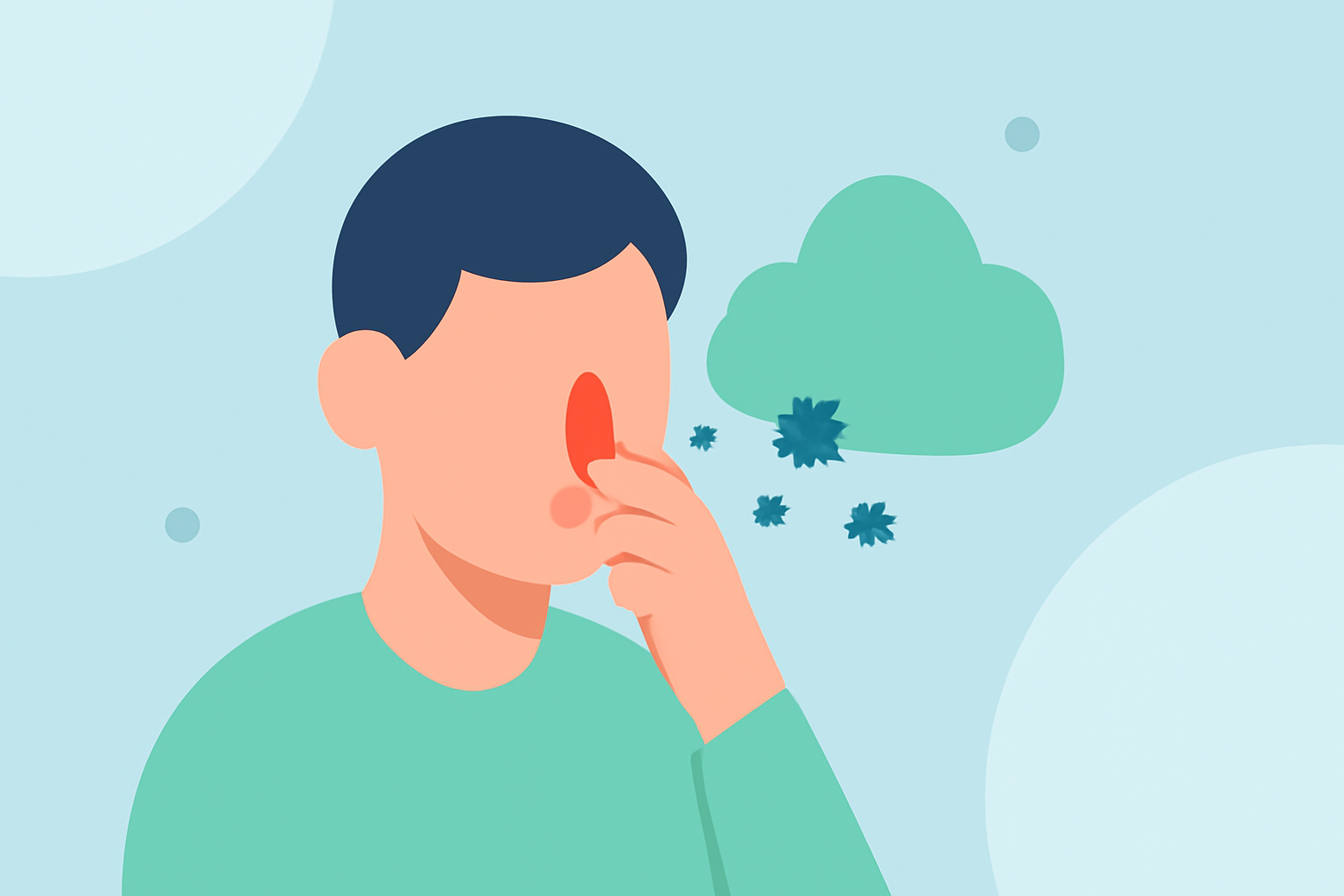
Seasonal allergies can be challenging, especially when weather changes influence allergen levels. Understanding common mistakes in managing these allergies can help you find effective relief.
What Are Common Mistakes in Managing Weather-Related Allergies?
1. Delaying Medication Until Symptoms Appear
Waiting for symptoms to manifest before starting treatment can lead to prolonged discomfort. It's advisable to begin allergy medications before the season starts to prevent symptoms from escalating. (atlantaallergy.com)
2. Misunderstanding the Impact of Rain on Allergies
Rain can have varying effects on allergens. While light rain may wash pollen out of the air, heavy rain can break pollen into smaller particles, increasing exposure. Additionally, rain can promote the growth of mold and dust mites, worsening symptoms. (healthline.com)
3. Ignoring the Role of Weather Changes in Allergen Levels
Sudden temperature swings, humidity changes, and wind can affect pollen release and distribution. Being aware of these changes can help you anticipate and manage symptoms more effectively. (nationaljewish.org)
4. Not Taking Preventive Measures During High-Risk Days
On days with high pollen counts, such as warm, dry, and windy days, it's important to limit outdoor activities, keep windows closed, and use high-efficiency air filters to reduce indoor exposure. (nationaljewish.org)
5. Overlooking Indoor Allergen Sources
Indoor allergens like dust mites and mold can thrive in humid conditions. Using dehumidifiers and ensuring proper ventilation can help control indoor humidity levels and reduce allergen growth. (healthline.com)
How Can You Effectively Manage Weather-Related Allergies?
1. Monitor Local Pollen and Mold Counts
Stay informed about allergen levels in your area by checking local pollen and mold forecasts. This can help you plan outdoor activities and take preventive measures when necessary. (medicalnewstoday.com)
2. Implement Home Air Quality Improvements
Use HEPA filters in your home's HVAC system and replace them regularly. Running dehumidifiers in basements and bathrooms can also help control indoor humidity and reduce allergen growth. (archyde.com)
3. Practice Personal Protective Strategies
When going outdoors during high pollen days, consider wearing a mask to filter out allergens. After returning home, shower and change clothes to remove pollen and other allergens from your body and clothing. (archyde.com)
4. Start Allergy Medications Early
Begin taking allergy medications before the onset of symptoms to prevent them from worsening. Consult with a healthcare provider to determine the best medication regimen for your needs. (atlantaallergy.com)
5. Maintain a Healthy Diet
Incorporate foods rich in omega-3 fatty acids, such as salmon and flaxseed, into your diet. Research suggests that omega-3s may help reduce airway inflammation during high-allergen periods. (archyde.com)
How Does Clime Help in Managing Allergy-Related Weather Information?
Clime offers real-time weather updates and forecasts, allowing you to monitor conditions that affect allergen levels. By staying informed, you can make timely decisions to minimize exposure and manage symptoms effectively.
FAQs
Q: How can I reduce indoor allergens during rainy weather?
A: Use dehumidifiers to control indoor humidity and ensure proper ventilation to prevent mold growth. (healthline.com)
Q: What are the best times to take allergy medications?
A: It's recommended to start allergy medications before symptoms appear, especially during high pollen seasons. (atlantaallergy.com)
Q: How can I protect myself from allergens on windy days?
A: Limit outdoor activities, keep windows closed, and use high-efficiency air filters to reduce indoor exposure. (nationaljewish.org)
Q: Does rain always help reduce pollen levels?
A: Light rain can wash pollen out of the air, but heavy rain can break pollen into smaller particles, increasing exposure. (healthline.com)
Q: How can I improve indoor air quality to manage allergies?
A: Use HEPA filters in your home's HVAC system, run dehumidifiers, and ensure proper ventilation to control humidity and reduce allergens. (archyde.com)
By understanding and avoiding these common mistakes, you can better manage your allergy symptoms and improve your quality of life.