
Allergy Weather Mistakes to Avoid Without Prior Experience
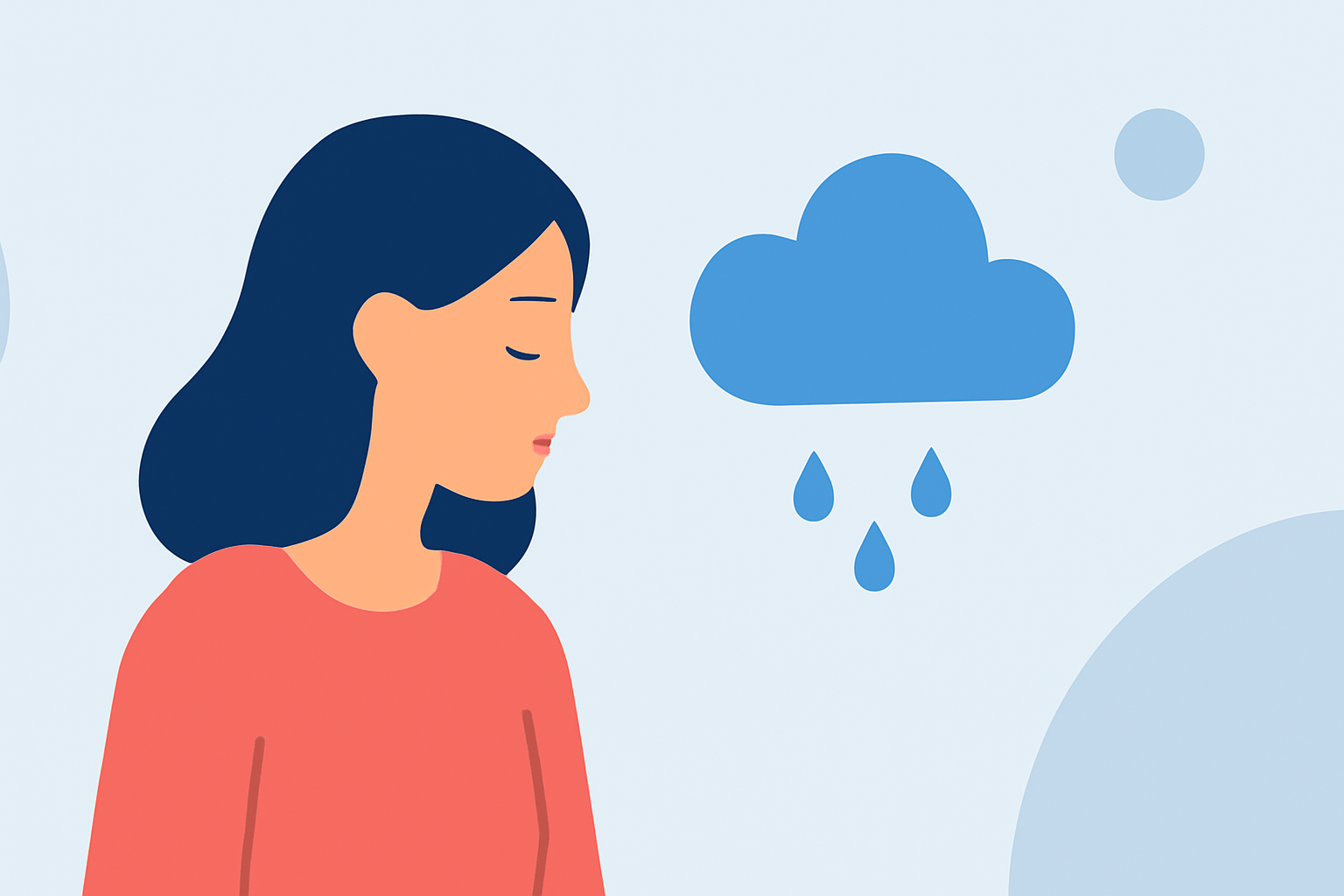
Seasonal allergies can be challenging, especially for those new to managing them. Understanding common mistakes and how to avoid them can make a significant difference in your comfort and health. Here are key pitfalls to watch out for:
1. Misinterpreting Pollen Sources
Many newcomers associate visible yellow pollen on surfaces with high pollen counts. However, this visible pollen often comes from pine trees, which are less likely to cause allergic reactions due to their large size and heavy coating. The real culprits are smaller, airborne pollens from trees like birch, oak, or ash, which are highly allergenic and can remain suspended in the air for days. (takeonepiece.com)
2. Relying on Rain to Reduce Allergens
It's a common belief that rain washes away pollen, leading some to skip medications on rainy days. In reality, light rain can cause pollen grains to swell and fracture, releasing smaller, more easily inhaled allergenic proteins. Additionally, rain can promote the release of mold spores, further exacerbating symptoms. (takeonepiece.com)
3. Delaying Medication Start
Waiting until symptoms appear before starting allergy medications is a common mistake. To effectively manage symptoms, it's advisable to begin taking medications one to two weeks before allergy season starts. This proactive approach helps in reducing inflammation and preventing symptoms from developing. (nysinuscenter.com)
4. Neglecting Personal Hygiene
Allergens can cling to your hair, skin, and clothing. Failing to wash your face and hair before bed can transfer these allergens to your bedding, worsening symptoms. It's essential to shower and change clothes after spending time outdoors to minimize exposure. (prevention.com)
5. Keeping Windows Open
Opening windows during high pollen seasons allows allergens to enter your home, increasing exposure. It's better to keep windows closed and use air conditioning with a clean filter to recirculate indoor air. (accuweather.com)
6. Overusing Over-the-Counter Medications
While over-the-counter antihistamines and decongestants are readily available, they may not always be effective and can have side effects. It's important to consult with a healthcare professional to determine the most appropriate treatment plan for your specific needs. (accuweather.com)
7. Ignoring Home Environment Maintenance
Allergens can accumulate in your home, especially in carpets, rugs, and bedding. Regular cleaning, including washing bedding in hot water and vacuuming with a HEPA filter, can help reduce indoor allergen levels. (prevention.com)
How Clime Can Help
Clime offers a comprehensive solution to help you manage your allergies effectively. By providing real-time pollen forecasts, Clime enables you to plan outdoor activities during periods of lower pollen counts, reducing exposure. Additionally, Clime's personalized notifications can alert you to high pollen levels, prompting timely medication use and other preventive measures. With Clime, you can stay informed and take proactive steps to minimize allergy symptoms.
By being aware of these common mistakes and utilizing tools like Clime, you can better navigate allergy seasons and maintain a higher quality of life.