
Allergy Weather Tricks for Athletes: Managing Outdoor Workouts
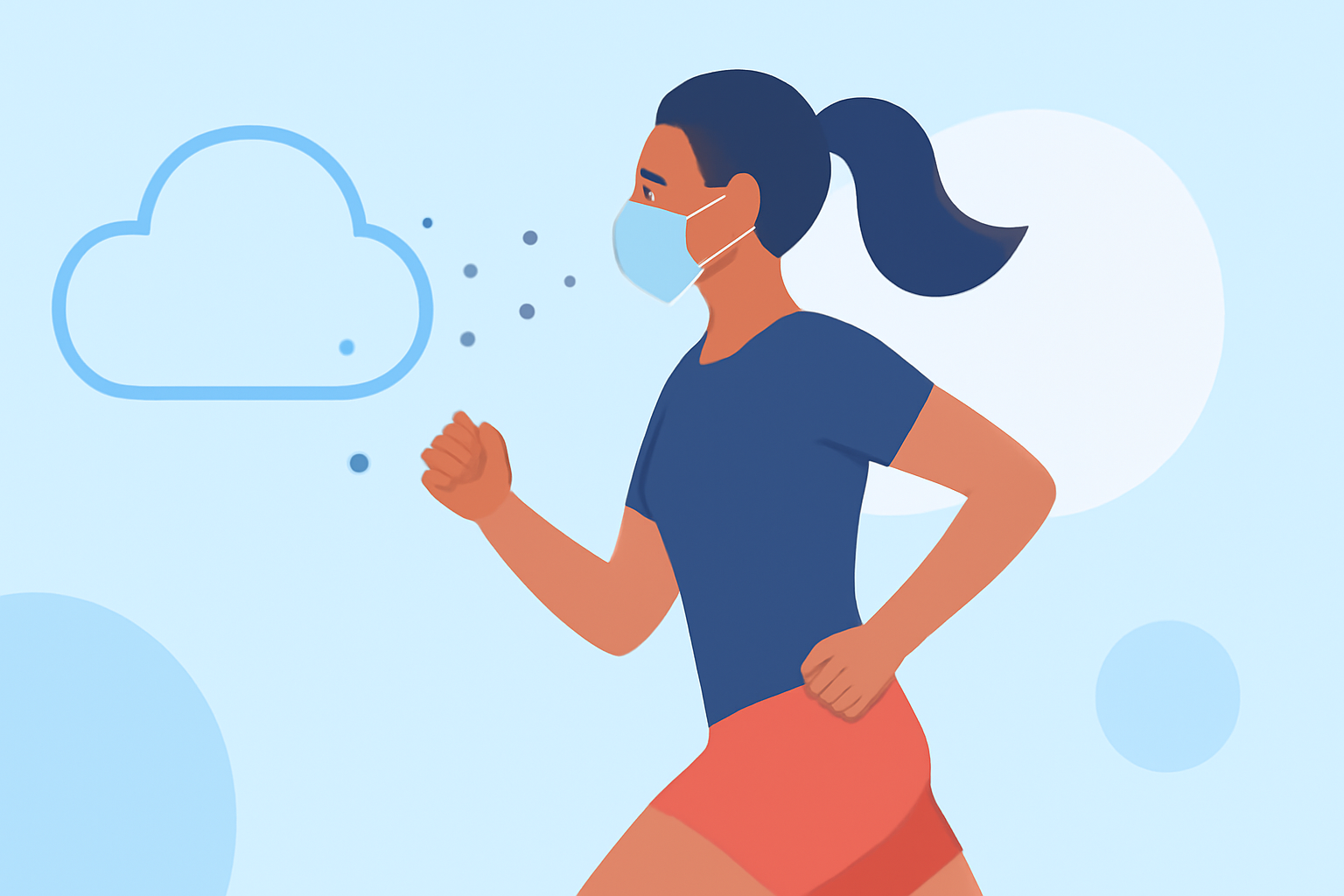
Managing allergies is crucial for athletes who prefer outdoor workouts. Understanding how weather conditions influence allergen levels can help in planning effective training sessions.
How Does Weather Affect Allergies?
Weather plays a significant role in the presence and intensity of allergens. Warm, dry, and windy conditions can elevate pollen levels, while rain can temporarily reduce them. Recognizing these patterns allows athletes to schedule workouts during times when allergen exposure is minimized. (nationaljewish.org)
When Is the Best Time to Exercise Outdoors?
Pollen counts fluctuate throughout the day. Generally, they are highest in the early morning and late afternoon. Exercising during midday or after rain can help reduce exposure to allergens. (webmd.com)
What Should Athletes Wear to Minimize Allergens?
Protective clothing can act as a barrier against allergens. Wearing a hat and wraparound sunglasses can prevent pollen from entering the eyes and hair. Additionally, applying a protective balm around the nostrils can trap pollen before it enters the respiratory system. (ffrs-retraite-sportive.org)
How Can Athletes Adapt Their Workouts During Allergy Season?
Adjusting workout routines can help manage allergy symptoms. Opting for indoor activities like swimming or yoga on high pollen days can be beneficial. If outdoor exercise is necessary, choosing locations away from high pollen areas, such as fields with freshly mowed grass, can reduce exposure. (templehealth.org)
What Are Some Additional Tips for Exercising with Allergies?
- Monitor Pollen Forecasts: Regularly check local pollen counts to plan workouts accordingly.
- Stay Hydrated: Drinking plenty of water helps thin mucus, making it easier to clear allergens from the airways.
- Warm Up Properly: A thorough warm-up can reduce exercise-induced bronchoconstriction, which can be exacerbated by allergens. (repfitness.com)
By understanding the interplay between weather conditions and allergens, athletes can make informed decisions to maintain their training routines while minimizing allergy symptoms.