
Understanding AQI Alerts for Beginners in the Car
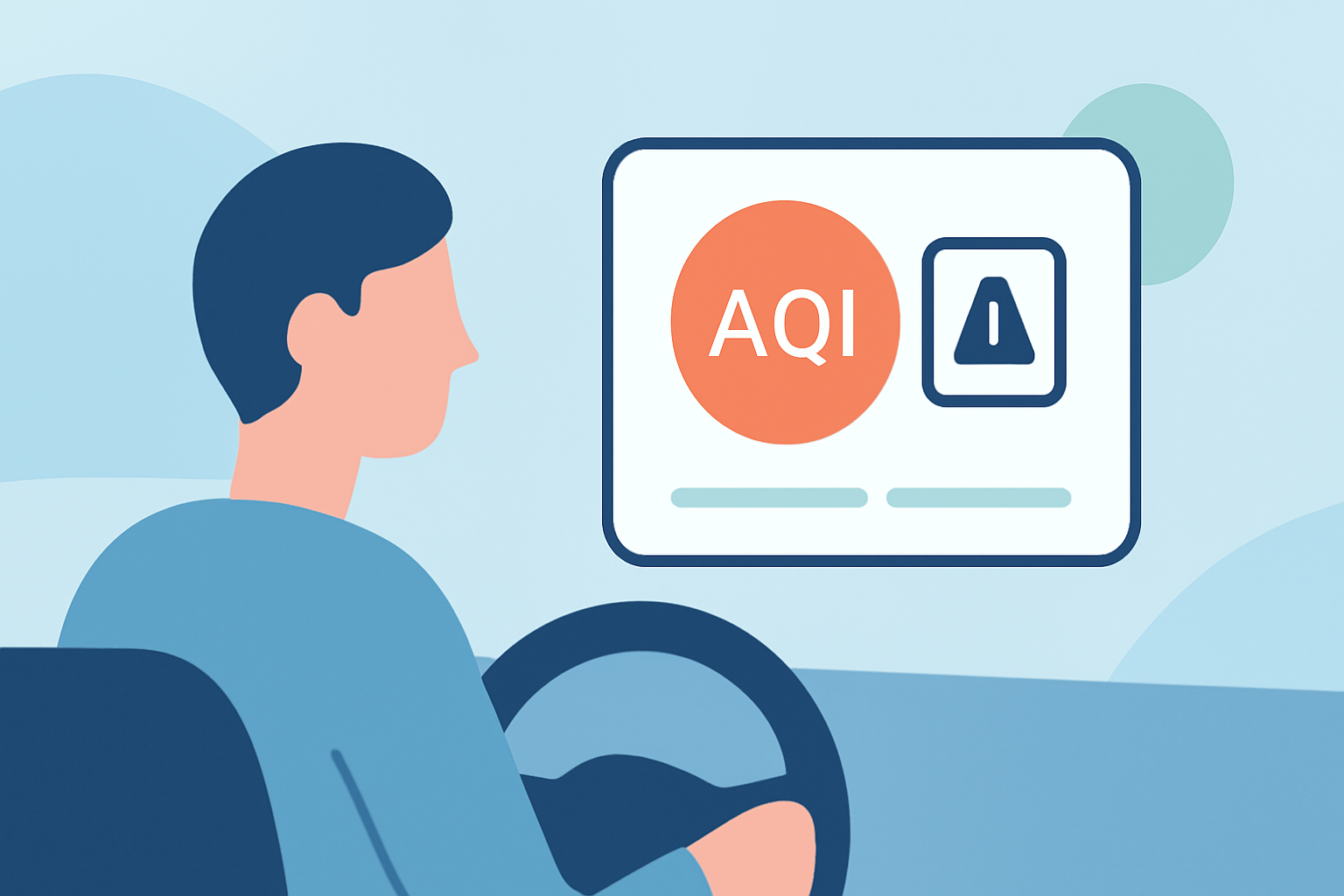
Air Quality Index (AQI) alerts are essential for understanding the quality of the air you breathe, especially when driving. These alerts provide real-time information on air pollution levels, helping you make informed decisions to protect your health.
What Is the Air Quality Index (AQI)?
The AQI is a standardized system used to communicate the quality of air in a specific area. It measures the concentration of five major pollutants: ground-level ozone, particulate matter (PM2.5 and PM10), carbon monoxide, sulfur dioxide, and nitrogen dioxide. Each pollutant has its own scale, and the highest value determines the overall AQI for that day. The AQI ranges from 0 to 500, with higher values indicating worse air quality and greater health risks. (airnow.gov)
AQI Categories and Their Implications
The AQI is divided into six color-coded categories, each representing a different level of health concern:
- 0–50 (Good): Air quality is satisfactory, posing little or no risk.
- 51–100 (Moderate): Air quality is acceptable; however, there may be a risk for some people, particularly those who are unusually sensitive to air pollution.
- 101–150 (Unhealthy for Sensitive Groups): Members of sensitive groups may experience health effects; the general public is less likely to be affected.
- 151–200 (Unhealthy): Everyone may begin to experience health effects; members of sensitive groups may experience more serious effects.
- 201–300 (Very Unhealthy): Health alert: everyone may experience more serious health effects.
- 301–500 (Hazardous): Health warning of emergency conditions: everyone is more likely to be affected. (airnow.gov)
Why Are AQI Alerts Important for Drivers?
Driving exposes you to outdoor air pollutants, which can affect your health, especially during periods of poor air quality. High AQI levels can lead to respiratory issues, cardiovascular problems, and other health concerns. Being aware of AQI alerts helps you plan your driving activities to minimize exposure to harmful pollutants. (health.clevelandclinic.org)
How to Stay Informed About AQI Alerts
- Use Mobile Apps: Many mobile applications provide real-time AQI information and can send alerts when air quality reaches unhealthy levels.
- Check Online Resources: Websites like AirNow.gov offer current AQI readings and forecasts for your area. (airnow.gov)
- Enable Smart Device Features: Some smart devices, such as Google Nest Hubs, display AQI information and can provide alerts when air quality is poor. (howtogeek.com)
Protecting Yourself While Driving
- Recirculate Air: Use your vehicle's air recirculation mode to prevent outdoor pollutants from entering the cabin.
- Keep Windows Closed: Avoid opening windows during high AQI periods to reduce exposure to pollutants.
- Limit Outdoor Activities: If possible, reduce time spent outside during high AQI levels to minimize health risks. (health.clevelandclinic.org)
Conclusion
Understanding AQI alerts is crucial for maintaining your health while driving. By staying informed and taking appropriate precautions, you can reduce your exposure to harmful air pollutants and ensure a safer driving experience.
Highlights:
- Air Quality Forecast Alerts
- What Is AQI on Google Nest?, Published on Saturday, September 18