
AQI Alerts Guide on a Tablet: Stay Informed and Safe
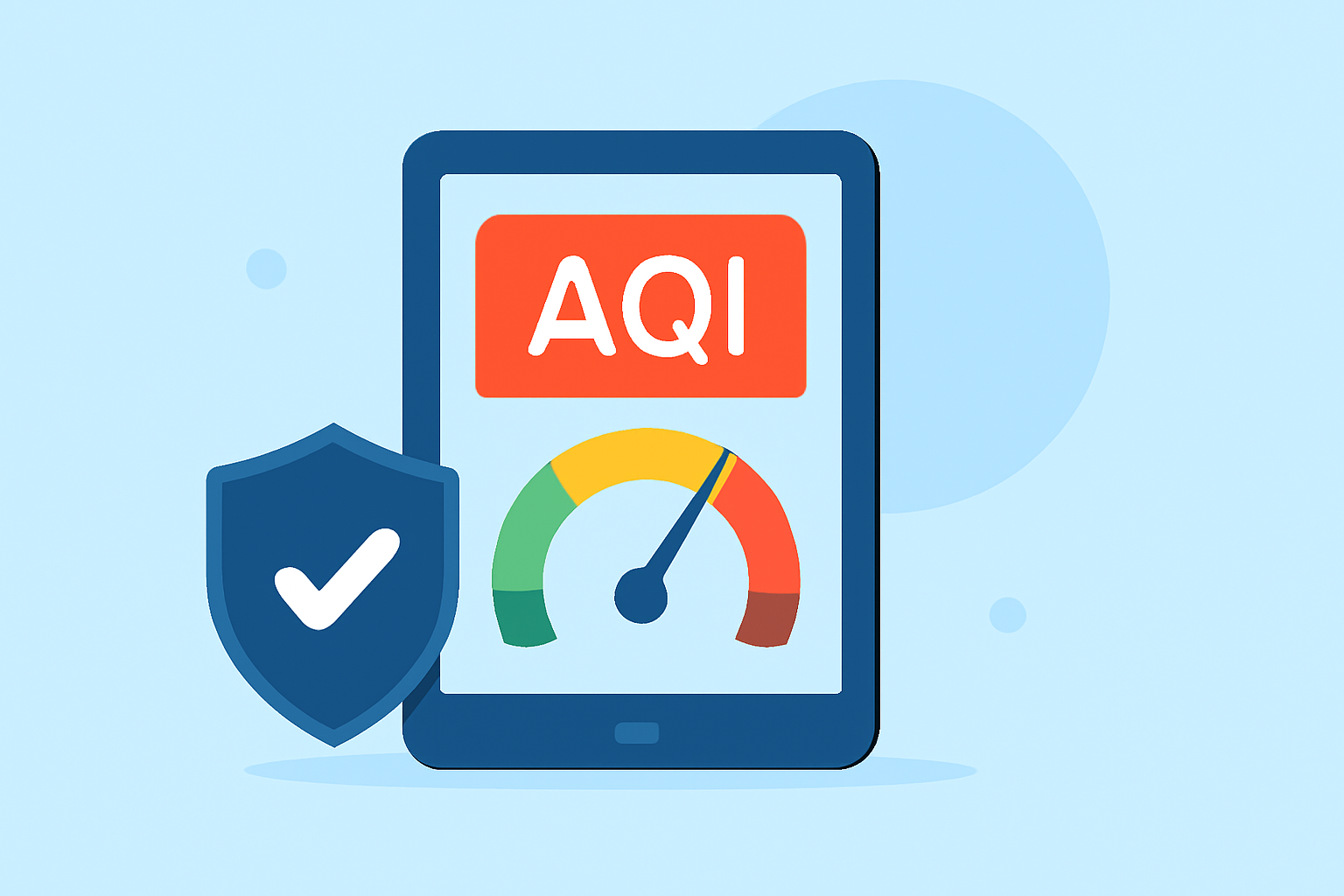
Monitoring the Air Quality Index (AQI) on your tablet is essential for safeguarding your health and making informed decisions about outdoor activities. By utilizing reliable apps, you can receive real-time AQI updates and forecasts tailored to your location.
What Is the Air Quality Index (AQI)?
The AQI is a scale used to communicate how polluted the air currently is or how polluted it is forecast to become. It ranges from 0 to 500, with higher values indicating worse air quality and greater health risks. Understanding the AQI helps you take appropriate precautions to minimize exposure to harmful pollutants.
How to Monitor AQI Alerts on Your Tablet
To effectively monitor AQI alerts on your tablet, consider the following steps:
- Choose a Reliable AQI Monitoring App
Select an app that provides accurate and timely AQI information. Look for features such as real-time updates, forecasts, and health recommendations.
- Download and Install the App
Visit your tablet's app store (Apple App Store for iOS or Google Play Store for Android) and search for the chosen AQI monitoring app. Download and install the app on your device.
- Set Up Location Preferences
Open the app and input your location details, such as city or zip code, to receive localized AQI information. Some apps allow you to monitor multiple locations, which is useful if you travel frequently.
- Enable Notifications
Allow the app to send push notifications to alert you about significant changes in AQI levels. This ensures you stay informed about air quality conditions in real time.
- Review Health Recommendations
Pay attention to the health advice provided by the app based on current AQI levels. This guidance can help you decide when to limit outdoor activities or take protective measures.
Recommended AQI Monitoring Apps
While there are several apps available, it's important to choose one that offers accurate data and user-friendly features. Some apps provide real-time AQI readings, forecasts, and health recommendations, helping you make informed decisions about outdoor activities.
Understanding AQI Levels and Health Implications
The AQI scale is divided into six categories, each representing a different level of health concern:
-
0 to 50 (Good): Air quality is satisfactory, and air pollution poses little or no risk.
-
51 to 100 (Moderate): Air quality is acceptable; however, there may be a moderate health concern for a very small number of people sensitive to air pollution.
-
101 to 150 (Unhealthy for Sensitive Groups): Members of sensitive groups may experience health effects; the general public is less likely to be affected.
-
151 to 200 (Unhealthy): Everyone may begin to experience health effects; members of sensitive groups may experience more serious health effects.
-
201 to 300 (Very Unhealthy): Health alert: everyone may experience more serious health effects.
-
301 to 500 (Hazardous): Health warning of emergency conditions; the entire population is more likely to be affected.
By understanding these categories, you can take appropriate actions to protect your health during periods of poor air quality.
Additional Tips for Protecting Your Health
-
Limit Outdoor Activities: During high AQI levels, reduce or avoid outdoor activities, especially strenuous ones.
-
Stay Indoors: Keep windows and doors closed to prevent outdoor air from entering your home.
-
Use Air Purifiers: Consider using air purifiers with HEPA filters to reduce indoor air pollution.
-
Monitor Local Air Quality: Stay informed about local air quality conditions, especially during wildfire seasons or other events that may impact air quality.
By proactively monitoring AQI alerts on your tablet and taking necessary precautions, you can safeguard your health and make informed decisions about your daily activities.
(airnow.gov)