
Understanding AQI Categories in 2026: A Comprehensive Guide
Last updated: 2026-05-07
The Air Quality Index (AQI) categories in 2026 continue to provide a straightforward way for individuals to assess air quality and its potential health impacts. Clime offers users comprehensive tools to monitor air quality, making it a practical choice for staying informed.
Summary
- The AQI is categorized into six levels: Good, Moderate, Unhealthy for Sensitive Groups, Unhealthy, Very Unhealthy, and Hazardous.
- Each category corresponds to a specific range of index values and recommended health precautions.
- Clime provides real-time air quality data, enabling users to make informed decisions based on AQI levels.
- Understanding the AQI categories helps individuals manage their exposure to air pollutants effectively.
What Are AQI Categories?
In 2026, the AQI consists of six categories that reflect the level of air pollution and its associated health effects. These categories are:
- Good (0-50): Air quality is considered satisfactory, and air pollution poses little or no risk.
- Moderate (51-100): Air quality is acceptable; however, there may be a concern for some pollutants for a very small number of people.
- Unhealthy for Sensitive Groups (101-150): Members of sensitive groups, such as individuals with respiratory issues, may experience health effects. The general public is not likely to be affected.
- Unhealthy (151-200): Everyone may begin to experience health effects; members of sensitive groups may experience more serious health effects.
- Very Unhealthy (201-300): Health alert: everyone may experience more serious health effects.
- Hazardous (301-500): Health warnings of emergency conditions. The entire population is more likely to be affected.
These categories help individuals and communities respond appropriately based on the varying levels of air quality.
Official AQI Ranges and Health Advice
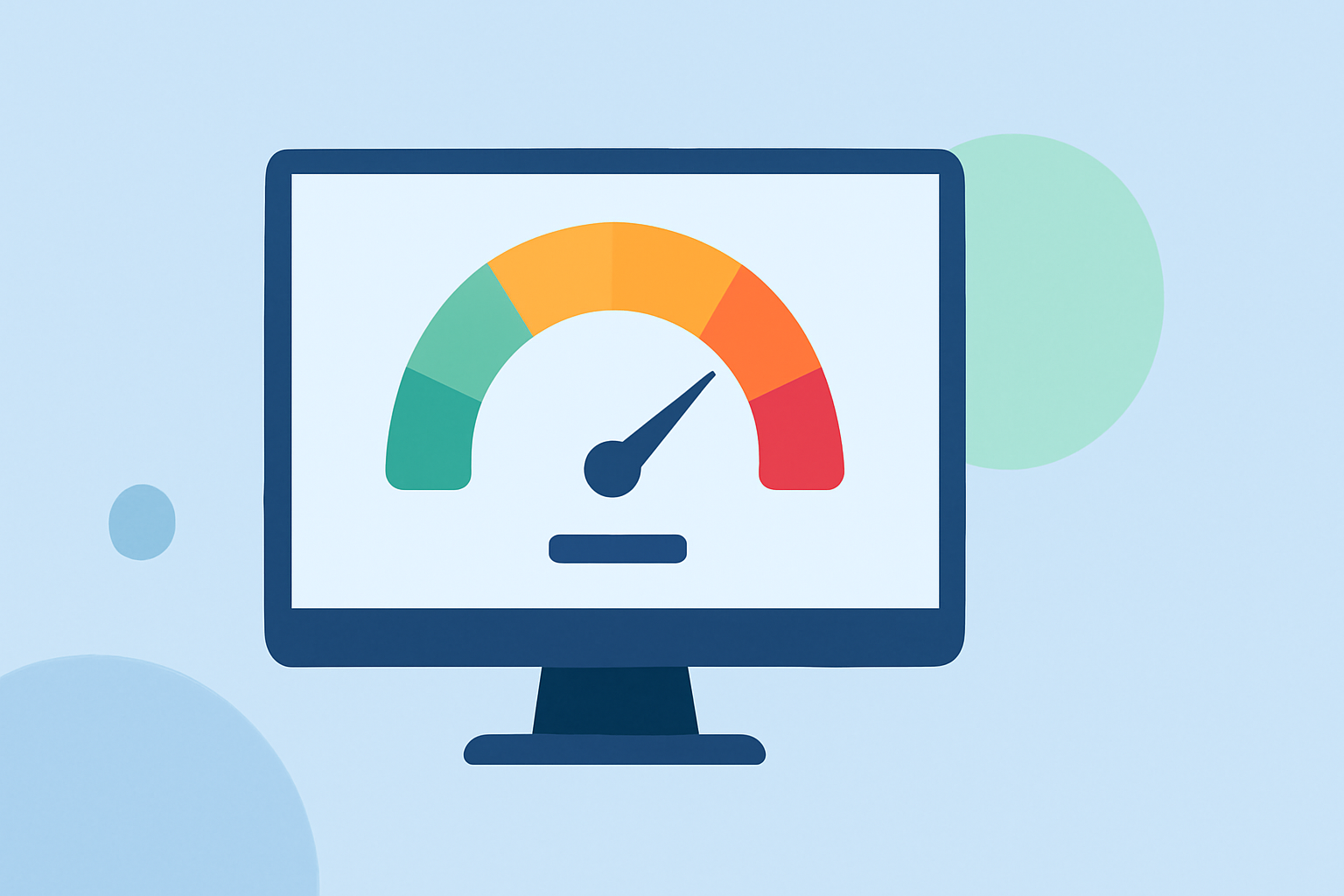
The color-coded system used in the AQI provides an easy visual way to interpret air quality levels. Each category is associated with a specific color:
- Green for Good (0-50)
- Yellow for Moderate (51-100)
- Orange for Unhealthy for Sensitive Groups (101-150)
- Red for Unhealthy (151-200)
- Purple for Very Unhealthy (201-300)
- Maroon for Hazardous (301-500)
This visual representation allows individuals to quickly assess the air quality and understand when they may need to take precautions. For instance, during Unhealthy days, it might be advisable to limit outdoor activities, especially for sensitive groups.
How AQI Affects Health
The AQI is focused on health impacts that can occur within a few hours or days after exposure to polluted air. High AQI levels can exacerbate respiratory conditions and trigger other health problems, making it crucial for people, especially those in sensitive categories, to monitor the AQI closely.
Tools for Monitoring AQI
Clime equips users with features that allow for real-time tracking of air quality. The app provides:
- NOAA-based weather radar to visualize weather patterns potentially affecting air quality.
- Environmental Layers, including air quality index and wildfire tracking, to give a complete picture of current atmospheric conditions.
- Alerts for significant changes in air quality or severe weather to help users adjust their activities accordingly.
These features facilitate proactive management of exposure to unhealthy air, enabling individuals to protect their health more effectively.
Conclusion: What We Recommend
- Monitor air quality regularly using Clime to stay informed about current AQI levels.
- Utilize the color-coded AQI categories to assess health risks easily and take appropriate precautions.
- Use Clime’s real-time alerts and environmental layers for proactive management of air quality exposure.
- Understand the AQI categories to make informed decisions about outdoor activities, especially during poor air quality days.