
Understanding AQI Categories During Hurricane Season
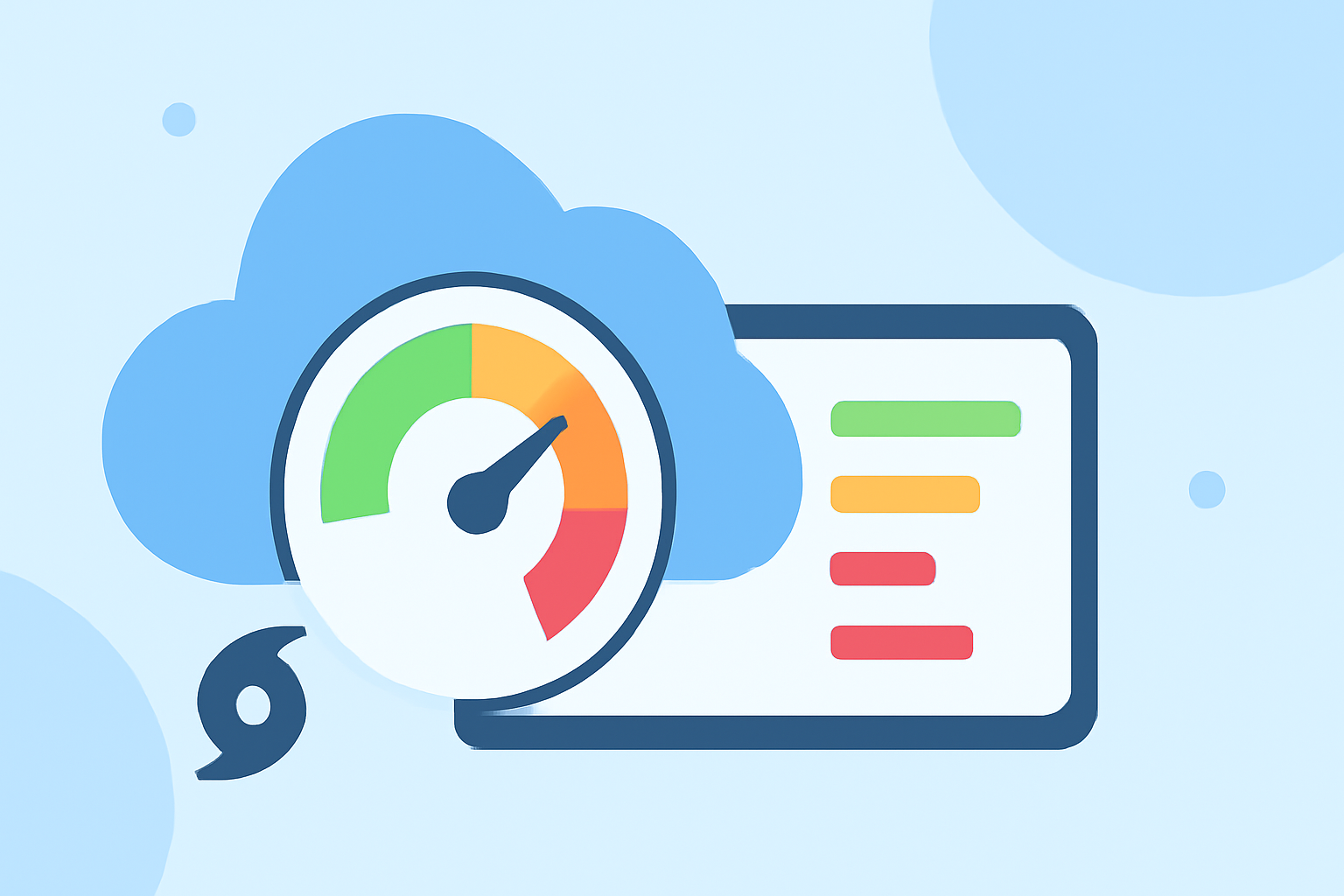
During hurricane season, understanding the Air Quality Index (AQI) is crucial for public health and safety. The AQI is a standardized system used to communicate the quality of air and its potential health impacts.
What Is the Air Quality Index (AQI)?
The AQI is a scale developed by the U.S. Environmental Protection Agency (EPA) to report daily air quality levels. It measures concentrations of five major pollutants: ground-level ozone, particulate matter (PM₂.₅ and PM₁₀), carbon monoxide, sulfur dioxide, and nitrogen dioxide. Each pollutant has a specific AQI value, and the highest value determines the overall AQI for the day. The AQI is divided into six color-coded categories, each representing a different level of health concern. (airnow.gov)
AQI Categories and Their Health Implications
The AQI categories are as follows:
-
Good (0–50): Air quality is satisfactory, posing little or no risk.
-
Moderate (51–100): Air quality is acceptable; however, there may be a risk for some individuals sensitive to air pollution.
-
Unhealthy for Sensitive Groups (101–150): Sensitive individuals may experience health effects; the general public is less likely to be affected.
-
Unhealthy (151–200): Everyone may begin to experience health effects; sensitive groups may experience more serious effects.
-
Very Unhealthy (201–300): Health alert: everyone may experience more serious health effects.
-
Hazardous (301 and higher): Health warning of emergency conditions: everyone is more likely to be affected. (airnow.gov)
AQI During Hurricane Season
Hurricane season in the United States runs from June 1 to November 30. During this period, hurricanes can significantly impact air quality. The strong winds and heavy rains associated with hurricanes can stir up dust and debris, leading to increased levels of particulate matter in the air. Additionally, the flooding caused by hurricanes can release pollutants into the environment, further degrading air quality.
Monitoring AQI During Hurricanes
It's essential to monitor AQI levels during hurricane season, especially if you live in areas prone to hurricanes. Local environmental agencies and the EPA provide real-time AQI updates and forecasts. These resources can help you understand current air quality conditions and take appropriate precautions.
Protecting Your Health
If the AQI reaches levels categorized as "Unhealthy" or higher, it's advisable to limit outdoor activities, especially for sensitive groups such as children, the elderly, and individuals with respiratory conditions. Staying informed about local air quality conditions can help you make decisions to protect your health during hurricane season.
Understanding AQI categories and their implications is vital for safeguarding public health during hurricane season. By staying informed and taking necessary precautions, you can minimize the health risks associated with degraded air quality during these events.