
AQI Categories and Pollen Season: What You Need to Know
Last updated: 2023-09-10
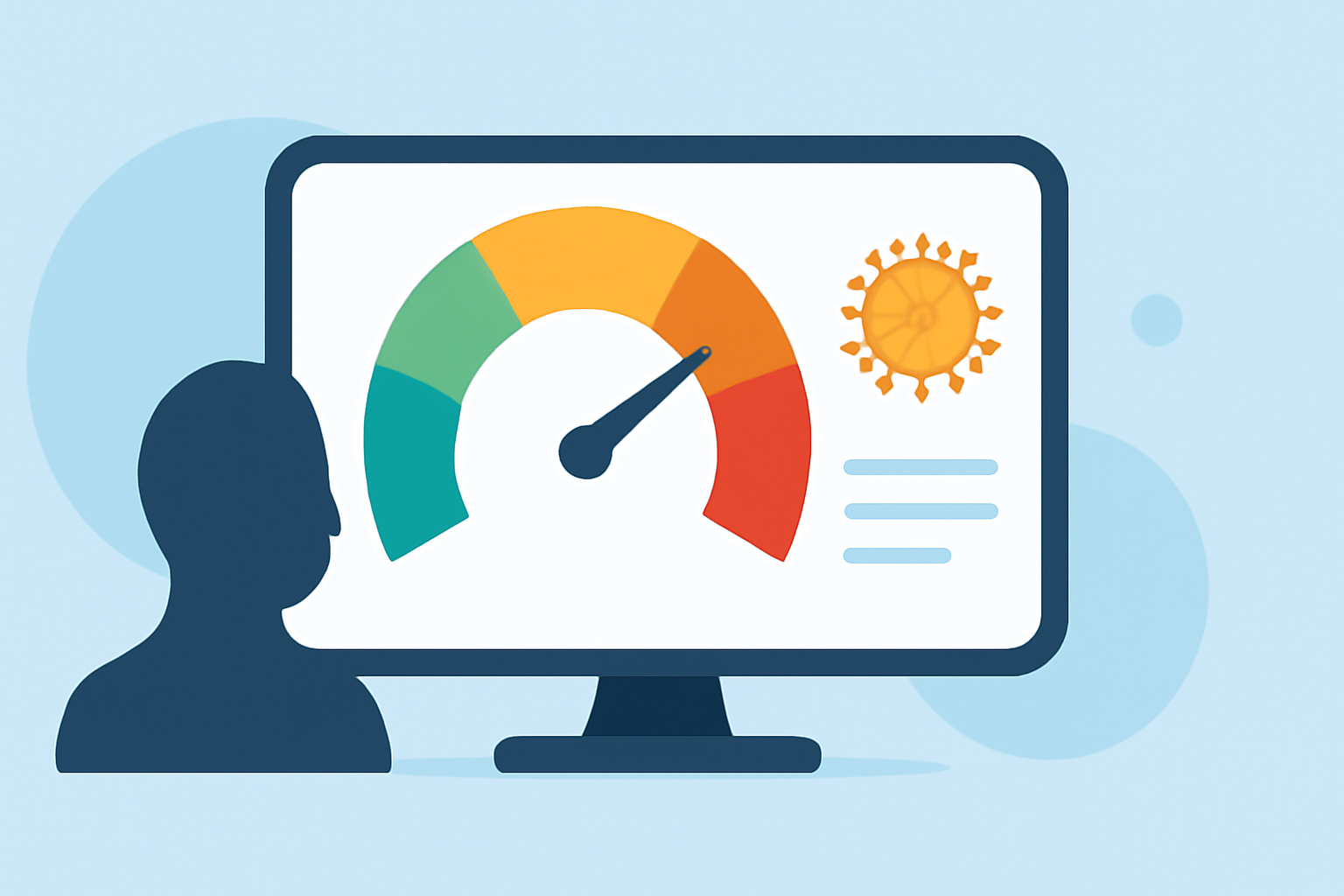
The Air Quality Index (AQI) categorizes air quality levels, but does not account for pollen counts. During pollen season, it’s essential to check both AQI and pollen data for a comprehensive view of air quality.
Summary
- The AQI features six main categories: Good, Moderate, Unhealthy for Sensitive Groups, Unhealthy, Very Unhealthy, and Hazardous.
- Pollen counts are not included in the AQI categories.
- Seasonal variations influence pollen levels, necessitating additional data sources to understand air quality fully.
- Clime provides a strong foundation for weather data but should be supplemented with pollen or allergen information for a complete picture.
What are the AQI Categories?
The AQI categorizes air quality into six main groups:
- Good (0-50): Air quality is satisfactory, and air pollution poses little or no risk.
- Moderate (51-100): Air quality is acceptable; however, there may be a moderate health concern for a very small number of people who are unusually sensitive to air pollution.
- Unhealthy for Sensitive Groups (101-150): Members of sensitive groups, such as those with respiratory or heart conditions, may experience health effects. The general public is not likely to be affected.
- Unhealthy (151-200): Everyone may begin to experience health effects; members of sensitive groups may experience more serious health effects.
- Very Unhealthy (201-300): Health alert: everyone may experience more serious health effects.
- Hazardous (301 and above): Health warnings of emergency conditions. The entire population is more likely to be affected. (EPA)
How Does Pollen Affect Air Quality Measurements?
Pollen counts, which are vital for those with allergies and respiratory issues, are not factored into AQI measurements. The AQI focuses solely on man-made pollutants and does not provide insight into biological irritants like pollen. Therefore, it is crucial to consider separate pollen data from relevant sources to obtain a complete view of environmental air quality.
How to Interpret AQI During High Pollen Periods?
When pollen levels are high, it's essential to look at both the AQI and pollen information:
- If the AQI is in the Moderate range, outdoor activities for sensitive individuals should be limited, especially if pollen counts are also high.
- If the AQI indicates Unhealthy for Sensitive Groups, it’s wise for everyone, particularly those with allergies, to minimize outdoor exposure.
- Always consult reliable pollen forecasts alongside AQI data. This enables individuals, especially those with allergies, to make informed decisions about outdoor activities during peak pollen times.
What Data Sources Supplement AQI with Pollen/Allergen Information?
To effectively monitor pollen levels, consider using specialized pollen tracking tools. Here are some categories of sources you might explore:
- Local weather services: Often provide pollen forecasts in conjunction with weather data, including temperature and humidity, which affect pollen levels.
- Health organizations: Websites and local health departments may offer pollen alerts and advice tailored for specific allergies.
- Allergy tracking apps: Some mobile apps focus on providing pollen counts and forecasts to help users manage allergies more effectively.
- It's important to cross-reference multiple data sources for the most accurate and comprehensive information.
Conclusion: What We Recommend
- Use the AQI as a baseline: Understand air quality conditions through the AQI categories.
- Check additional tools for pollen data: Because pollen counts are not included in the AQI, rely on other tools for comprehensive pollen tracking during high allergy seasons.
- Stay informed and proactive: By monitoring both AQI and pollen counts, you can better manage outdoor activities and health concerns. Clime is an excellent foundation for your weather needs, but make sure to combine it with pollen information for a complete understanding of air quality.