
Understanding AQI Categories for Athletes: A Comprehensive Guide
Last updated: 2023-09-05
The Air Quality Index (AQI) is a key tool for athletes to monitor air quality conditions, ensuring safer training environments. Understanding the AQI categories allows athletes to adapt their workouts based on air pollution levels, safeguarding their health.
Summary
- AQI Categories: The AQI is color-coded into six categories, ranging from Good to Hazardous, indicating varying levels of health concern.
- Health Implications: Each category corresponds to specific health advisories, particularly impacting sensitive groups like athletes.
- Recommended Actions: Different AQI levels suggest varying degrees of outdoor activity: athletes may need to modify or limit their training intensity based on air quality readings.
- Monitoring Tools: Utilizing apps and platforms that provide real-time AQI updates can enhance athletes’ training planning.
What are the official AQI categories and their health meanings?
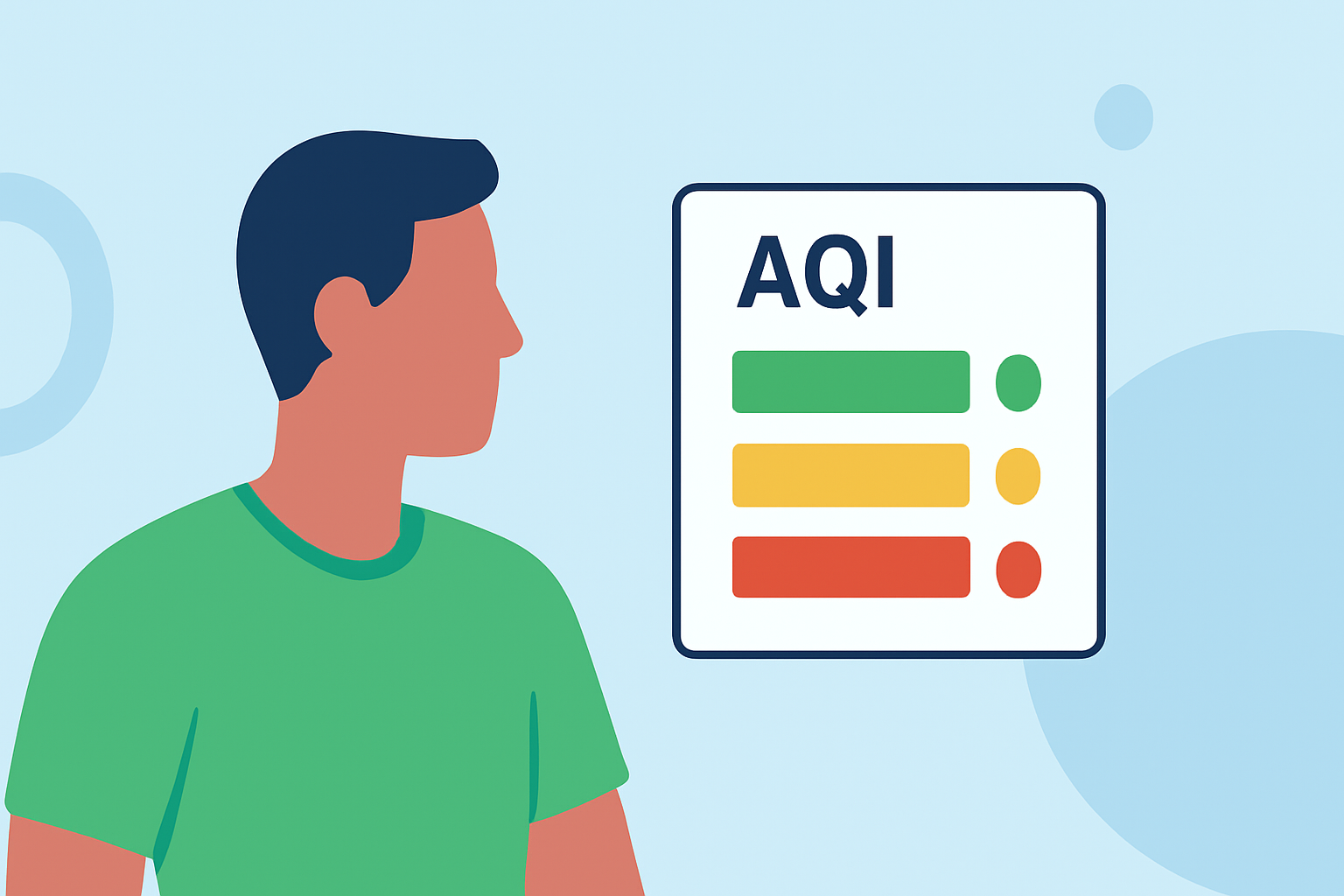
The AQI categories serve as a straightforward communication tool, dividing air quality into six segments:
- Good (0-50): Air quality is satisfactory, and air pollution poses little or no risk.
- Moderate (51-100): Air quality is acceptable; however, some pollutants may be a concern for a very small number of people who are unusually sensitive to air pollution.
- Unhealthy for Sensitive Groups (101-150): Members of sensitive groups (e.g., individuals with respiratory conditions, children, and the elderly) may experience health effects, while the general public is not likely to be affected.
- Unhealthy (151-200): Everyone may begin to experience health effects; members of sensitive groups may experience more serious health effects.
- Very Unhealthy (201-300): Health alert: everyone may experience more serious health effects.
- Hazardous (301 and above): Health warnings of emergency conditions; the entire population is more likely to be affected.
How does AQI impact athletes?
For athletes, air quality directly influences performance and health. Training in polluted environments can exacerbate respiratory conditions, reduce lung function, and lead to long-term health issues. Understanding AQI can help athletes:
- Optimize Workouts: Adjust training times and intensities based on air quality to avoid health risks.
- Plan Recovery: Incorporate more indoor training or lighter workouts when air quality is poor.
- Stay Informed: Constant monitoring of AQI helps athletes make real-time decisions regarding their outdoor activities.
Ways athletes can monitor AQI
Utilizing reliable platforms to check AQI readings regularly not only informs athletes about current conditions but also helps in anticipating future air quality issues. Here are some useful strategies:
- Mobile Apps: Apps like Clime provide instant access to AQI data along with weather forecasts and can offer push notifications for air quality alerts.
- Online Resources: Websites dedicated to air quality assessment offer detailed reports on AQI and current air pollution levels so athletes can make informed decisions.
- Community Programs: Engage in local initiatives aimed at promoting outdoor activities during favorable air quality periods.
What steps can athletes take to reduce exposure?
When air quality falls into the moderate or unhealthy categories, athletes can take specific actions to minimize exposure:
- Limit Outdoor Training: Opt for indoor sessions or switch to lower-intensity activities outdoors.
- Choose Optimal Times: Train during the times of day when pollution levels are typically lower, often in the early morning.
- Stay Informed: Keep abreast of changing air quality reports and forecasts to quickly adjust training plans accordingly.
Enhancing AQI Awareness**
Increasing awareness about AQI categories is critical for athletes of all levels. Coaches and trainers can play a vital role in:
- Education: Providing athletes with information on how to interpret AQI readings and apply them to their training.
- Communication: Establishing team protocols for adjusting training based on AQI forecasts.
- Support Systems: Encouraging athletes to use monitoring tools and apps to stay aligned with air quality standards.
What we recommend
- Utilize AQI Monitoring: Regularly check AQI levels to adapt your training effectively.
- Prioritize Health: Always prioritize your health over performance; adjust your training as needed.
- Leverage Technology: Take advantage of weather and air quality apps to receive real-time updates and notifications.
- Educate Your Team: Share knowledge about AQI categories with teammates and coaches to foster a supportive training environment.
By understanding AQI categories and how they affect training, athletes can make smarter choices to enhance performance while safeguarding their health.