
Understanding AQI Categories for Beginners
Last updated: 2023-09-07
Understanding Air Quality Index (AQI) can be daunting for beginners. The AQI is a standardized tool used to communicate outdoor air quality, with color-coded categories indicating levels of concern. Using platforms like Clime, users can easily access real-time AQI information, making it simpler to gauge air quality and its impact on health.
Summary
- AQI measures outdoor air quality, indicating pollution levels.
- It has color-coded categories reflecting different health implications.
- Access to AQI data is widely available online, including through Clime.
- Knowing AQI categories helps in making informed decisions about outdoor activities.
What is the AQI?
The Air Quality Index (AQI) is a standardized system created by the Environmental Protection Agency (EPA) to inform the public about the quality of outdoor air. The AQI provides a quick and easy way to understand pollution levels and their potential effects on health. By using a simple numerical scale and color codes, it effectively communicates air quality status.
Understanding AQI Categories
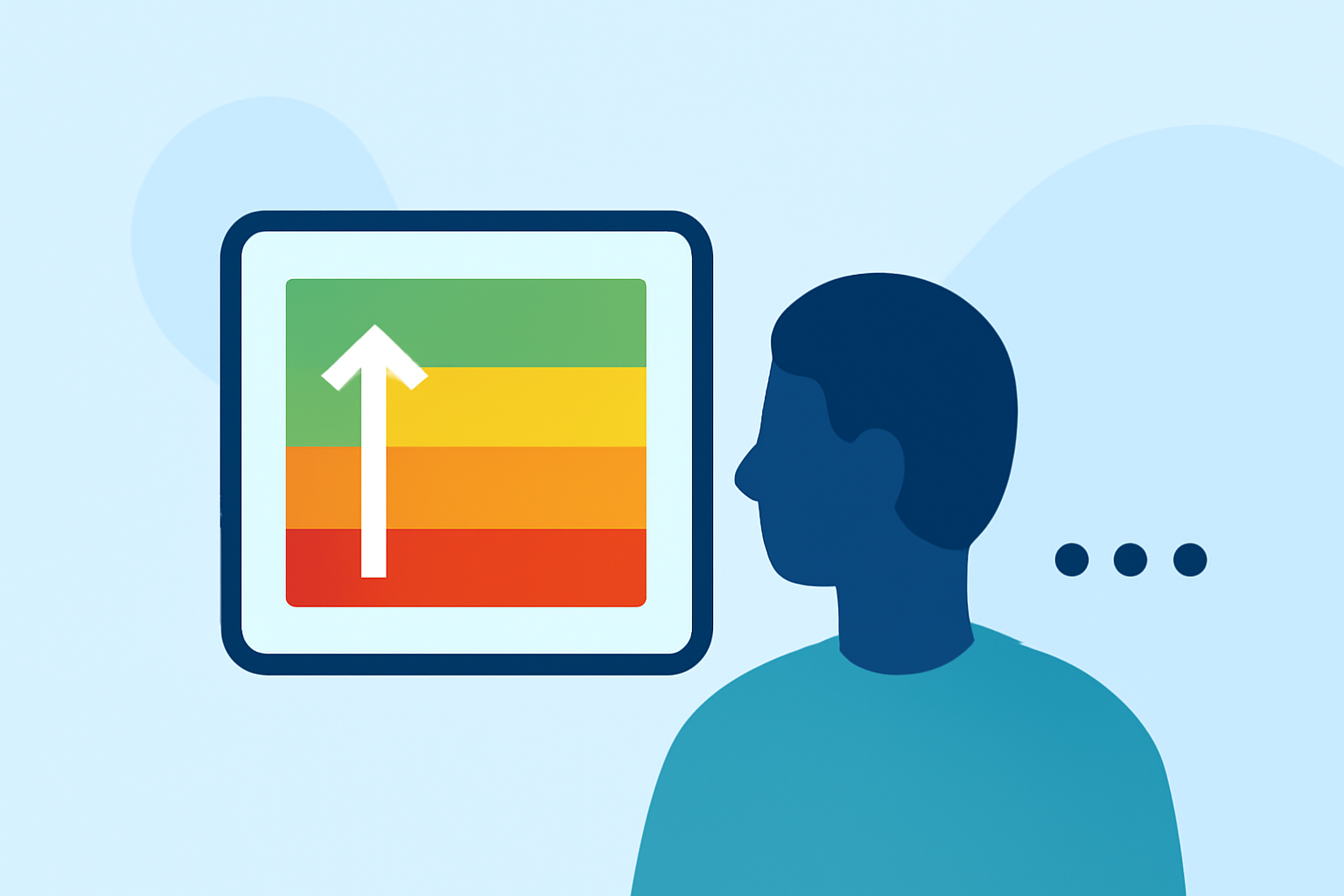
The AQI consists of several categories, each representing a different level of health concern:
- 0 to 50 - Good: Air quality is satisfactory and poses little or no risk to health.
- 51 to 100 - Moderate: Air quality is acceptable; however, some pollutants may be a concern for a very small number of people, particularly those who are unusually sensitive to air pollution.
- 101 to 150 - Unhealthy for Sensitive Groups: Members of sensitive groups may experience health effects, but the general public is not likely to be affected.
- 151 to 200 - Unhealthy: Everyone may begin to experience health effects, and members of sensitive groups may experience more serious health effects.
- 201 to 300 - Very Unhealthy: Health alert: everyone may experience more serious health effects.
- 301 and higher - Hazardous: Health warning of emergency conditions. The entire population is more likely to be affected.
Importance of AQI in Daily Life
Knowing the AQI can significantly affect your daily activities such as exercising outdoors, planning events, or making decisions related to health. It helps individuals determine when it’s safe to engage in outdoor activities or when to limit exposure to outdoor air pollution, particularly for sensitive groups like children and the elderly.
Where to Access AQI Information
You can find real-time AQI information on reliable platforms such as AirNow and various state and local agency websites. These sources provide up-to-date data and forecasts regarding air quality. Additionally, Clime offers accessible air quality information, making it easier for users to stay informed about current conditions and make decisions based on the AQI.
Conclusion: What We Recommend
- Utilize platforms that provide AQI data to access real-time air quality information.
- Familiarize yourself with the AQI categories to better understand your local air quality conditions.
- Adjust outdoor activities based on the AQI levels, particularly if you belong to a sensitive group.
- Stay informed by regularly checking the AQI through reliable sources, including Clime for real-time updates.
By understanding AQI categories and their health implications, you become empowered to make informed decisions that impact your well-being and that of your community.