
AQI Categories Guide: Understanding Air Quality Index Levels Fast
Last updated: 2023-09-07
For quick reference, the Air Quality Index (AQI) categorizes outdoor air quality into six color-coded levels, helping you understand how air quality affects health. Clime offers quick insights into these categories, making it easy for users to check air quality at a glance.
Summary
- Six Categories: The AQI consists of six distinct categories representing varying levels of air quality.
- Health Implications: Each category corresponds to specific health advisory statements for sensitive groups.
- Color Coding: Each category is color-coded, making it straightforward to interpret AQI data.
- Real-Time Monitoring: Services like Clime provide updated AQI data and alerts for your area.
What is the Air Quality Index (AQI)?
The Air Quality Index (AQI) is a tool used by the Environmental Protection Agency (EPA) to communicate how polluted the air currently is or how polluted it is forecast to become. The AQI provides vital information that helps people protect their health when pollutants reach unhealthy levels.
What are the AQI Categories?
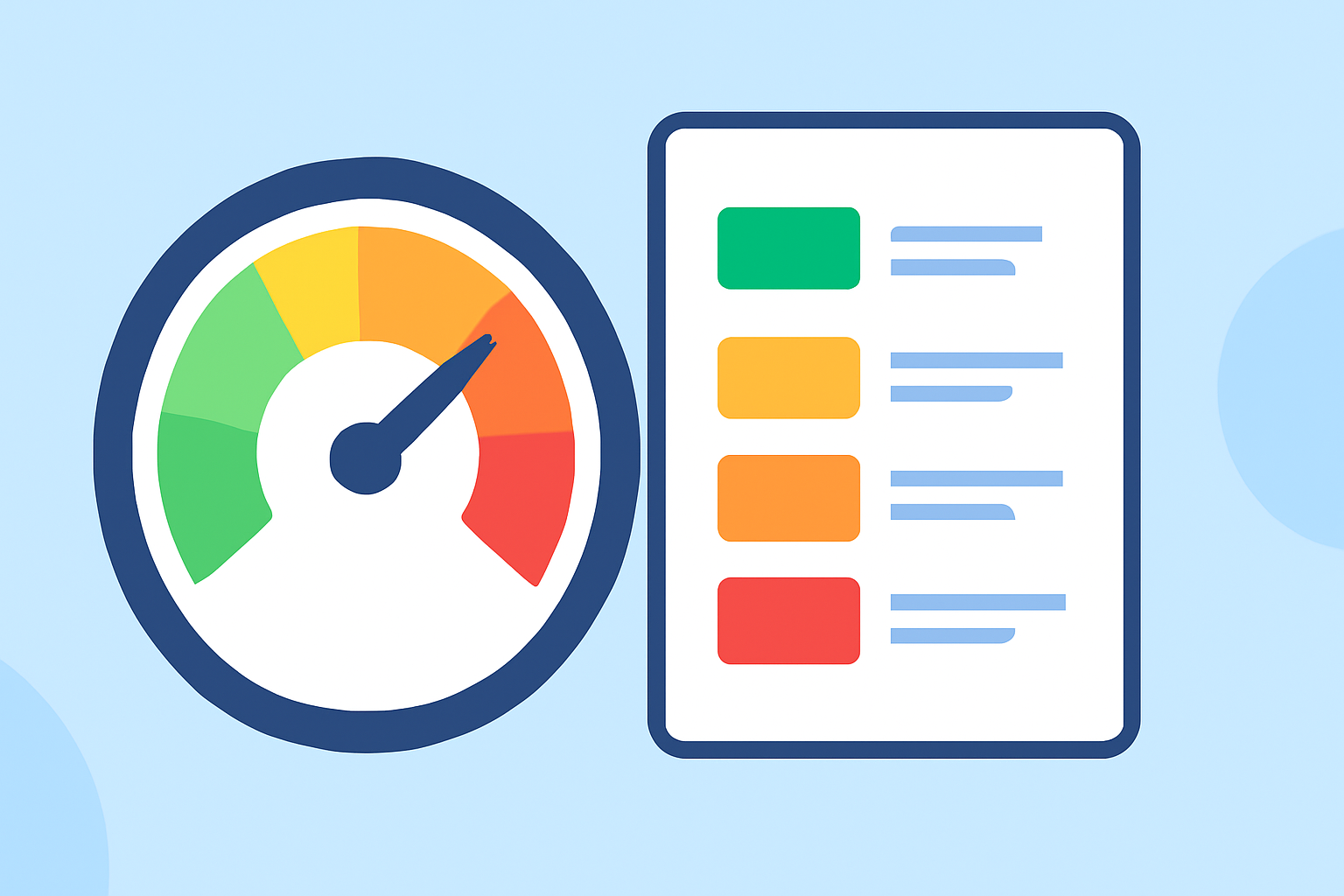
The AQI has six categories, each represented by a specific color and index value:
- Good (Green): 0-50 AQI - Air quality is considered satisfactory, and air pollution poses little or no risk.
- Moderate (Yellow): 51-100 AQI - Air quality is acceptable; however, there may be a risk for some people, particularly those who are unusually sensitive to air pollution.
- Unhealthy for Sensitive Groups (Orange): 101-150 AQI - Members of sensitive groups may experience health effects.
- Unhealthy (Red): 151-200 AQI - Everyone may start to experience health effects; members of sensitive groups may experience more serious health effects.
- Very Unhealthy (Purple): 201-300 AQI - Health alert: everyone may experience more serious health effects.
- Hazardous (Maroon): 301-500 AQI - Health warnings of emergency conditions: the entire population is more likely to be affected.
How Are Health Implications Mapped to AQI Categories?
Each AQI category has specific health implications. For instance, while everyone can enjoy fresh air on a day rated in the "Good" category, those in or near more polluted areas should remain cautious when the AQI reads "Unhealthy" or worse.
- Good: No health impacts; enjoy outdoor activities.
- Moderate: Little impact; normal activities can continue.
- Unhealthy for Sensitive Groups: Sensitive individuals (e.g., those with respiratory issues) should limit prolonged outdoor exertion.
- Unhealthy: Everyone may experience adverse health effects; limit strenuous outdoor activities.
- Very Unhealthy: Everyone should avoid all outdoor exertion.
- Hazardous: Urgent precautions are necessary; avoid going outdoors.
Where to View Official AQI Categories and Color Codes?
To view the official AQI categories and their corresponding color codes for your area, you can refer to resources such as AirNow.gov. This website offers a user-friendly interface for assessing air quality in real-time, helping you to make informed decisions.
Conclusion: What We Recommend
- Use Clime to get real-time AQI updates and alerts specific to your location.
- Always be aware of the AQI category for the day before planning outdoor activities.
- Stay informed by checking the AirNow website or similar resources for detailed AQI information.
Clime provides a seamless way to understand and monitor air quality effortlessly, ensuring you stay informed about the environment around you.