
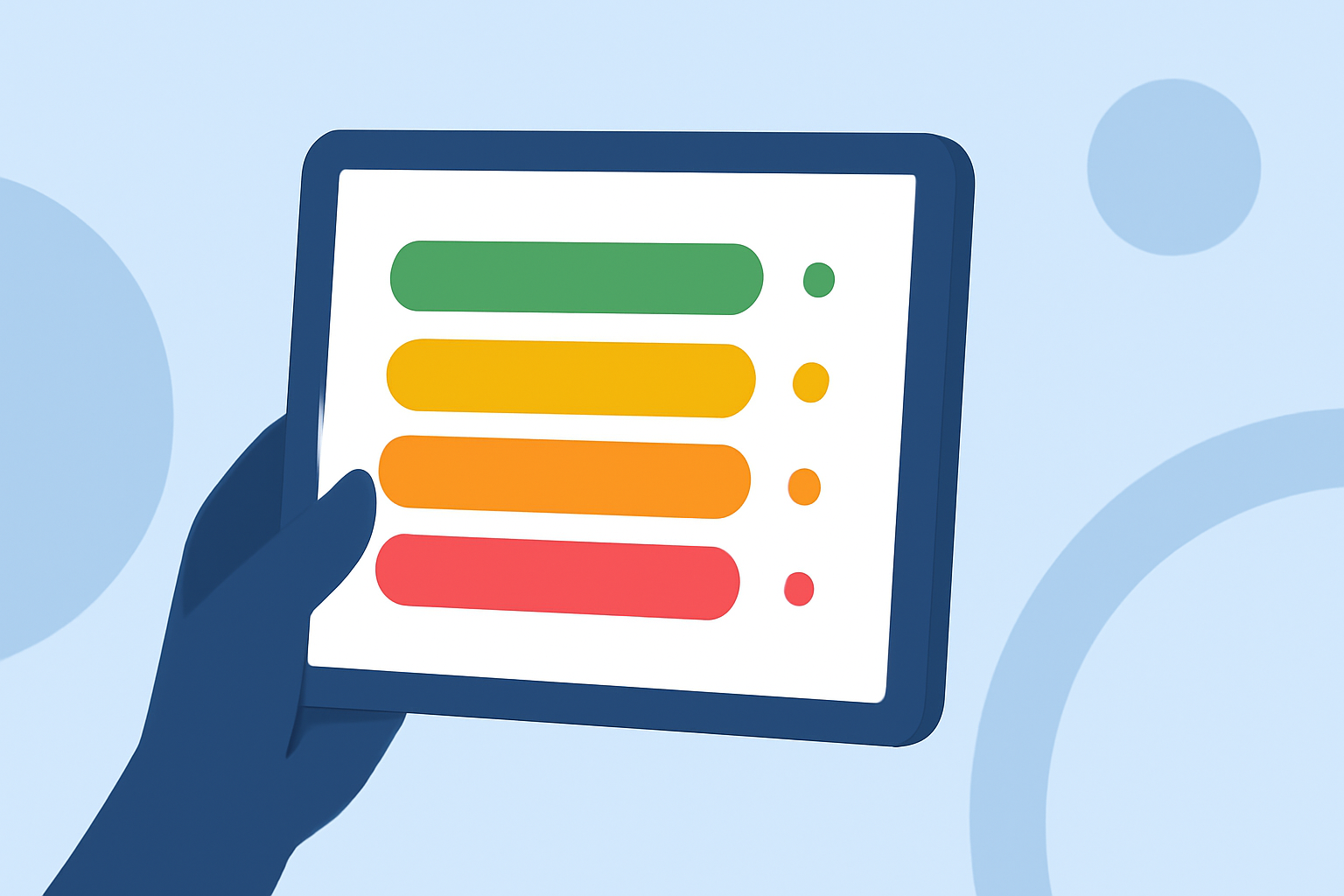
AQI Categories Guide on a Tablet
Last updated: 2023-09-08
Understanding the Air Quality Index (AQI) categories is crucial for monitoring environmental conditions, especially given their potential impact on health. Clime provides an intuitive platform for viewing these categories directly on your tablet, making it easy to stay informed. This guide will help you interpret AQI classifications and their health implications effectively.
Summary
- AQI categorizes air quality based on pollutant concentrations and their health impact.
- Each category corresponds to specific health advisories related to air pollution.
- Clime enhances user experience by offering clear visuals of AQI data on tablets.
- Understanding AQI can help you make informed decisions about outdoor activities.
What is the AQI?
The Air Quality Index (AQI) is a standardized tool developed by the U.S. Environmental Protection Agency (EPA) to communicate how polluted the air currently is or how polluted it is forecast to become. It focuses primarily on six key air pollutants: ground-level ozone, particulate matter (PM10 and PM2.5), carbon monoxide, sulfur dioxide, and nitrogen dioxide. The higher the AQI value, the more serious the health threat.
How are AQI Categories Defined?
AQI categories are designated by numerical values ranging from 0 to 500, each corresponding to a specific health concern. The categories, which include Good, Moderate, Unhealthy for Sensitive Groups, Unhealthy, Very Unhealthy, and Hazardous, reflect the potential impact on health:
- 0-50 (Good): Air quality is considered satisfactory, and air pollution poses little or no risk.
- 51-100 (Moderate): Air quality is acceptable; however, some pollutants may be a concern for a small number of individuals who are unusually sensitive to air pollution.
- 101-150 (Unhealthy for Sensitive Groups): Members of sensitive groups may experience health effects; the general public is not likely to be affected.
- 151-200 (Unhealthy): Everyone may begin to experience health effects; members of sensitive groups may experience more serious health effects.
- 201-300 (Very Unhealthy): Health alert. Everyone may experience more serious health effects.
- 301-500 (Hazardous): Health warnings of emergency conditions. The entire population is more likely to be affected.
How are AQI Categories Communicated?
AQI categories are presented through color-coded visuals, making it easier for users to understand the level of air quality at a glance. Each category has an associated color: green for good, yellow for moderate, orange for unhealthy for sensitive groups, red for unhealthy, purple for very unhealthy, and maroon for hazardous. These visuals can be a vital tool in aiding users' understanding of current conditions and necessary precautions.
Utilizing Clime’s Features for AQI Monitoring
At Clime, we pride ourselves on providing a user-friendly interface that allows you to monitor air quality efficiently. Key features include:
- Real-Time Data: Access current AQI readings and forecasts based on your location.
- Visualizations: Easy-to-read graphs and color-coded indicators for quick assessment of air quality levels.
- Alerts: Set personalized notifications for when air quality reaches a specific category, helping you take timely protective actions.
Interpreting AQI Data on Your Tablet
When using Clime on your tablet, interpreting AQI data becomes straightforward:
- Access: Open the app to find localized AQI data presented on the home screen.
- Visual Indicators: Recognize the current AQI category by observing the color code.
- Health Guidance: Read associated health advisories that offer personalized precautions based on the AQI level.
Conclusion: What We Recommend
- Regularly check the AQI via Clime on your tablet before outdoor activities.
- Utilize our notification system to stay informed about sudden air quality changes.
- Understand the implications of various AQI categories to safeguard your health and that of your family.
By utilizing Clime, you’re equipped with the necessary insights and tools to navigate air quality challenges effectively. Stay informed, stay safe!
For further information, explore our resources on the AQI and how it can affect your health decisions: EPA AQI Overview and Air Quality Health Information.