
Understanding AQI Categories During Pollen Season
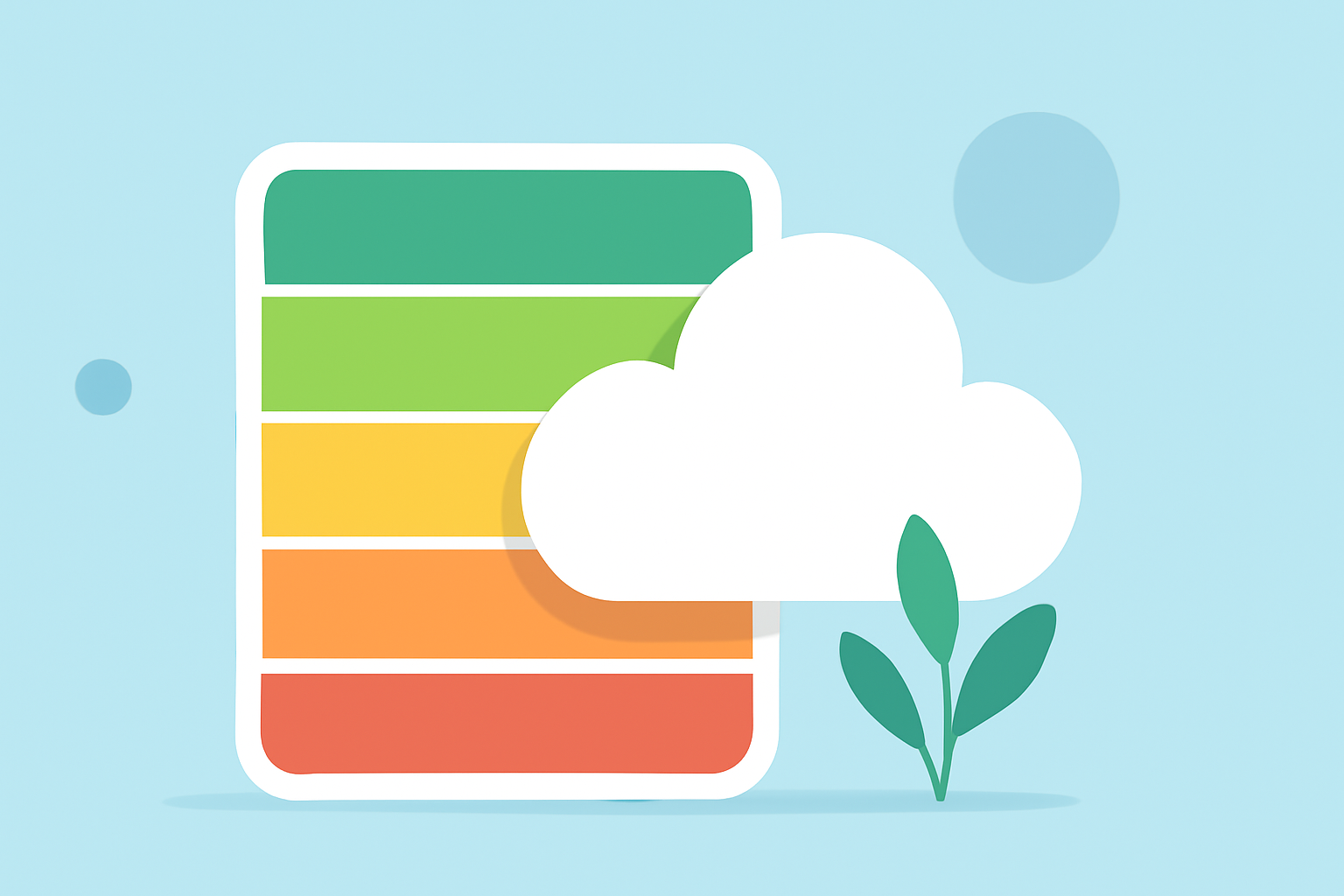
During pollen season, understanding the Air Quality Index (AQI) is crucial for safeguarding your health. The AQI is a standardized system that communicates daily air quality levels, focusing on pollutants like ground-level ozone and particulate matter (PM2.5 and PM10). These pollutants can exacerbate respiratory issues, especially when combined with pollen.
What Are the AQI Categories?
The AQI is divided into six categories, each representing a different level of health concern:
- 0 to 50 (Good): Air quality is satisfactory, posing little or no risk.
- 51 to 100 (Moderate): Air quality is acceptable; however, there may be a moderate health concern for a small number of people sensitive to ozone.
- 101 to 150 (Unhealthy for Sensitive Groups): Sensitive individuals may experience health effects; the general public is less likely to be affected.
- 151 to 200 (Unhealthy): Everyone may begin to experience health effects; sensitive groups may experience more serious effects.
- 201 to 300 (Very Unhealthy): Health alert: everyone may experience more serious health effects.
- 301 and above (Hazardous): Health warnings of emergency conditions; the entire population is more likely to be affected.
These categories help individuals understand the potential health risks associated with current air quality levels. (aqs.epa.gov)
How Does Pollen Season Affect AQI?
Pollen season introduces additional airborne particles that can worsen respiratory conditions. When pollen levels are high, individuals with asthma or allergies may experience intensified symptoms. Monitoring both pollen counts and AQI levels can provide a comprehensive view of air quality, enabling better health decisions.
How Can Clime Help?
Clime offers real-time AQI and pollen count updates, allowing you to stay informed about air quality conditions in your area. By integrating these data points, Clime helps you make proactive health choices during pollen season.
What Precautions Should Sensitive Groups Take?
Individuals with respiratory conditions should monitor AQI levels regularly. On days categorized as "Unhealthy for Sensitive Groups" or higher, it's advisable to limit outdoor activities, especially during peak pollen times. Utilizing air purifiers indoors and keeping windows closed can also help reduce exposure.
How Can I Stay Updated on AQI Levels?
Regularly checking local air quality reports and using tools like Clime can keep you informed about current AQI levels and pollen counts. This proactive approach enables you to adjust your activities and take necessary precautions to protect your health.
By understanding AQI categories and their implications during pollen season, you can make informed decisions to maintain your well-being.