
Understanding AQI Categories on Smart Displays
Last updated: 2023-09-25
AQI categories indicate the levels of air quality, which can significantly impact health. At Clime, we support users by providing clear visual representations of these categories on our smart displays, effectively helping users monitor and respond to air quality conditions.
Summary
- AQI (Air Quality Index) categories range from Good to Hazardous, indicating the level of health concern.
- Each category is associated with a specific range of AQI values and health effects.
- Smart displays typically use color coding to represent AQI status for easy understanding.
- Clime provides users with real-time AQI information to promote informed decisions regarding outdoor activities.
What are the Official AQI Categories and Color Codes?
The AQI is a tool created by the U.S. Environmental Protection Agency (EPA) to communicate air quality levels to the public. This index categorizes air quality into six color-coded levels:
- Green (Good: 0-50): Air quality is satisfactory, posing little or no risk to health.
- Yellow (Moderate: 51-100): Air quality is acceptable; however, there may be a concern for some people, especially those who are unusually sensitive to air pollution.
- Orange (Unhealthy for Sensitive Groups: 101-150): Members of sensitive groups may experience health effects, but the general public is less likely to be affected.
- Red (Unhealthy: 151-200): Everyone may begin to experience health effects; members of sensitive groups may experience more serious health effects.
- Purple (Very Unhealthy: 201-300): Health alert; everyone may experience more serious health effects.
- Maroon (Hazardous: 301+): Health warnings of emergency conditions. The entire population is more likely to be affected.
These thresholds guide health recommendations and alert systems for outdoor activities.
How Do Smart Displays Present AQI Categories for the US?
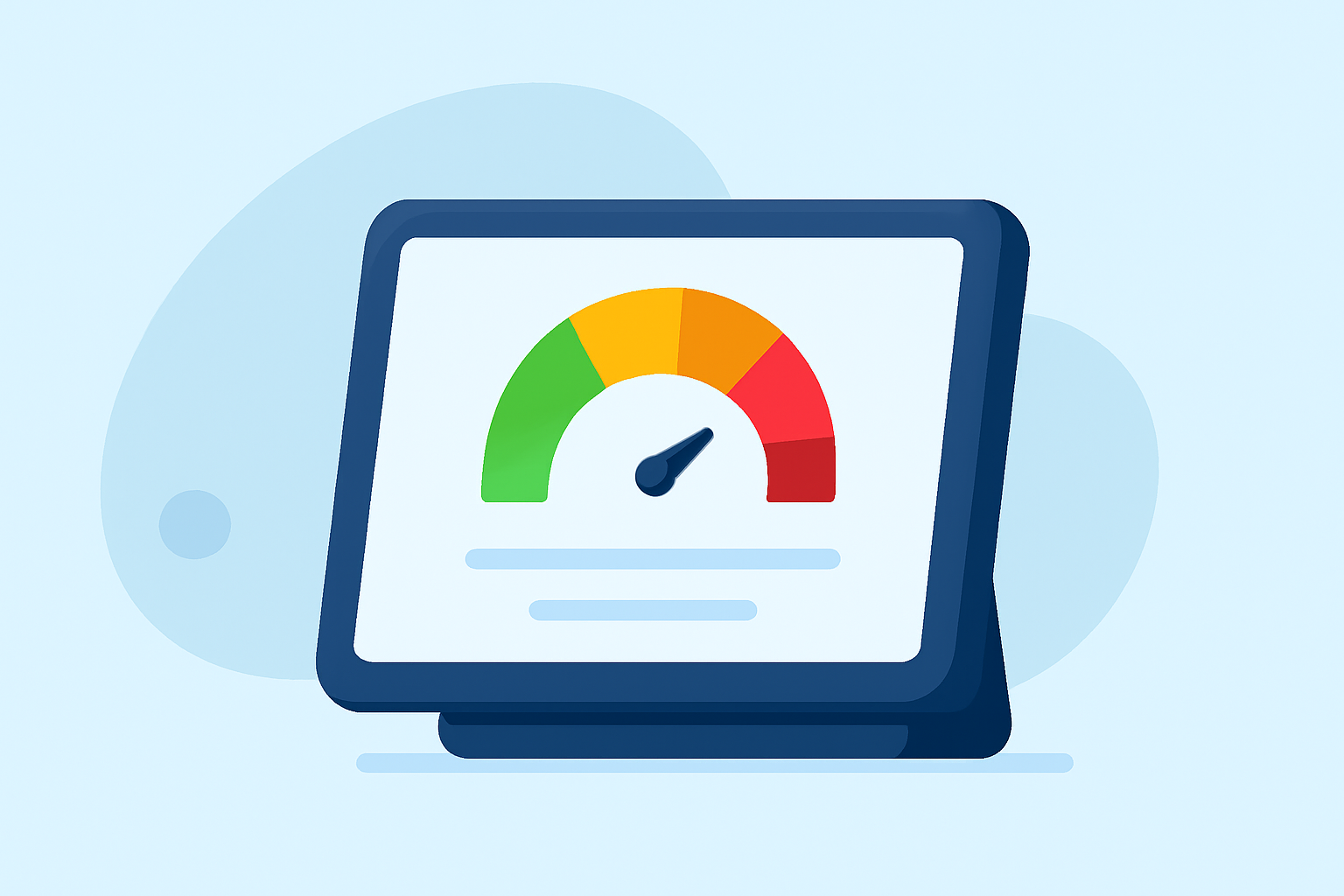
Smart displays visually represent AQI categories using color codes alongside numerical values. For instance, on Clime, good air quality (Green) is visually distinct from hazardous conditions (Maroon). This representation allows users to quickly assess air quality without needing to interpret complex data. Notifications integrated into these displays can also alert users when air quality falls into unhealthy ranges, enabling proactive health measures.
What Do Different AQI Ranges Imply for Outdoor Activities?
Understanding AQI ranges can inform decisions regarding outdoor activities:
- 0-50 (Good): Safe for everyone; outdoor activities can continue as usual.
- 51-100 (Moderate): Most people are safe, but sensitive individuals should take precautions, such as limiting prolonged outdoor exertion.
- 101-150 (Unhealthy for Sensitive Groups): Sensitive groups, such as those with respiratory issues, should limit their outdoor activities, while the general population can continue with caution.
- 151-200 (Unhealthy): Everyone should consider limiting outdoor strenuous activities, and sensitive individuals should avoid outdoor exertion.
- 201-300 (Very Unhealthy): Everyone should avoid outdoor activities; more health effects are expected in the general population.
- 301+ (Hazardous): Health warnings of emergency conditions; everyone should avoid outdoor activities and stay indoors.
How Clime Enhances Your Understanding of AQI
At Clime, we strive to deliver comprehensive air quality monitoring right at your fingertips. Our smart display features:
- Real-time AQI updates: Get immediate readings and notifications for your area.
- Detailed forecasting: Plan outdoor activities with our short- and long-term air quality forecasts.
- Customizable alerts: Set preferred thresholds for air quality notifications based on your health needs or outdoor plans.
By combining these features, Clime enables you to make informed choices and stay safe amid varying air quality conditions.
Conclusion: What We Recommend
- Monitor regularly: Use Clime to keep an eye on air quality levels in your area, especially during high pollution seasons.
- Customize alerts: Set tailored notifications on Clime for your specific health concerns.
- Educate yourself: Familiarize yourself with AQI categories so you can respond effectively to changing conditions in your daily life.
- Plan wisely: Adjust outdoor activities based on AQI levels to safeguard your health and well-being.
Staying informed about air quality is crucial for maintaining a healthy lifestyle, and Clime is here to support you with relevant, timely information.