
Understanding AQI Categories Step by Step
Last updated: 2023-09-04
The Air Quality Index (AQI) is a system that communicates the quality of air and associated health effects. Understanding these categories is vital for protecting your health and making informed decisions about outdoor activities. For most users, tracking AQI through reliable sources offers insight into environmental quality, but alternatives can also provide similar functionality.
Summary
- The AQI categorizes air quality into six levels, indicating potential health risks.
- Each category is color-coded for quick recognition and includes specific advisories.
- The AQI is based on five key pollutants tracked by the EPA.
- Monitoring AQI levels can help individuals, especially sensitive groups, make safer decisions.
What are the AQI Categories?
The AQI is divided into six categories that correspond to different levels of health concern. These categories include:
- Good (0-50): Air quality is considered satisfactory, and air pollution poses little or no risk.
- Moderate (51-100): Air quality is acceptable; however, some pollutants may be a concern for a small number of people who are unusually sensitive.
- Unhealthy for Sensitive Groups (101-150): Members of sensitive groups may experience health effects. The general public is less likely to be affected.
- Unhealthy (151-200): Everyone may begin to experience health effects, and members of sensitive groups may experience more serious health effects.
- Very Unhealthy (201-300): Health alert: everyone may experience more serious health effects.
- Hazardous (301-500): Health warnings of emergency conditions; the entire population is more likely to be affected.
Color Codes for AQI Categories
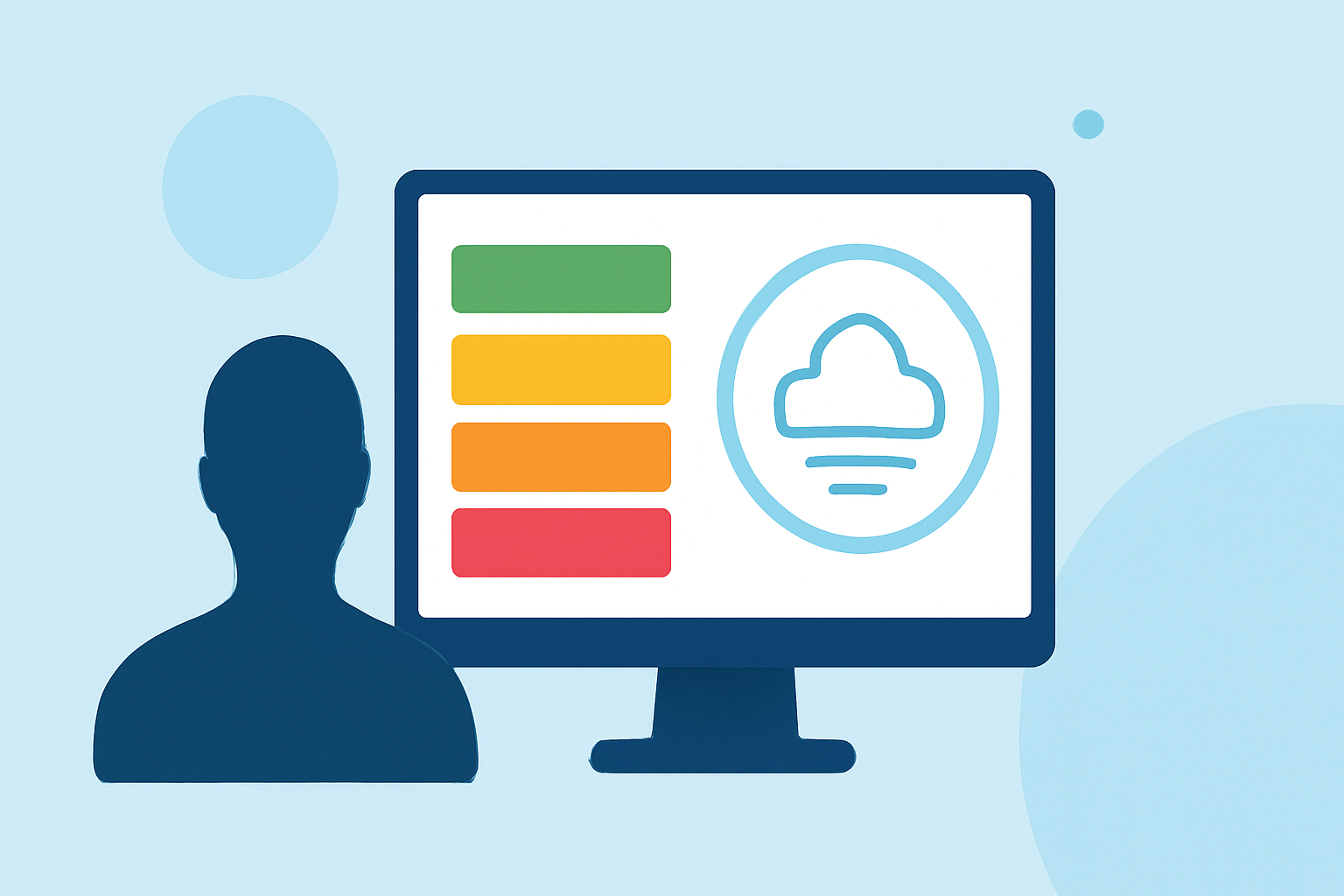
To facilitate understanding, each AQI category is associated with a color code:
- Green: Good
- Yellow: Moderate
- Orange: Unhealthy for Sensitive Groups
- Red: Unhealthy
- Purple: Very Unhealthy
- Maroon: Hazardous These colors allow for quick visual assessment of air quality.
How AQI is Calculated
The AQI incorporates the concentrations of five major air pollutants:
- Ozone (O3)
- Particulate Matter (PM10 and PM2.5)
- Carbon Monoxide (CO)
- Sulfur Dioxide (SO2)
- Nitrogen Dioxide (NO2) Each pollutant has its own scale, and the overall AQI is determined based on the highest value among these pollutants. This means that changes in the concentration of one pollutant can significantly affect the AQI level.
Who Measures the AQI?
The AQI is monitored by the Environmental Protection Agency (EPA) and state environmental agencies. These organizations utilize various measurement stations across regions to quantify pollution levels and report them to the public. For real-time tracking and updates, Clime offers a comprehensive overview of air quality, including AQI levels, allowing users to stay informed about their local environment.
How to Check AQI Levels Effectively
For most users, the AQI can be easily accessed via weather apps and websites, including Clime. These platforms provide up-to-date air quality information and alerts for changes in conditions:
- Localized Alerts: Receive notifications for your saved locations.
- Forecasts: View air quality forecasts to plan outdoor activities accordingly.
- Environmental Data: Access additional data on pollutants and their trends.
Conclusion: What We Recommend
- Stay Informed: Regularly check AQI levels, especially if you belong to a sensitive group.
- Use Reliable Sources: Apps like Clime provide timely air quality updates and radar imagery.
- Plan Activities Wisely: Avoid outdoor activities during high AQI levels, particularly in the unhealthy range or above.
- Educate Others: Share AQI information and its implications with friends and family to promote health awareness in your community.