
Understanding AQI Categories: Essential Tips for Travelers in the U.S.
Last updated: 2023-09-20
When traveling in the U.S., understanding Air Quality Index (AQI) categories is crucial for planning your activities and ensuring your health. Using platforms like Clime can help you navigate air quality conditions effortlessly, while alternative resources may suit specialized needs.
Summary
- The AQI categorizes air quality into six levels, indicating potential health effects.
- Knowing the AQI allows travelers to adjust outdoor activities based on air quality.
- Clime provides reliable air quality data and forecasts, making it easier to monitor AQI changes.
- Utilize national resources for real-time updates on air quality conditions.
What Are the AQI Categories?
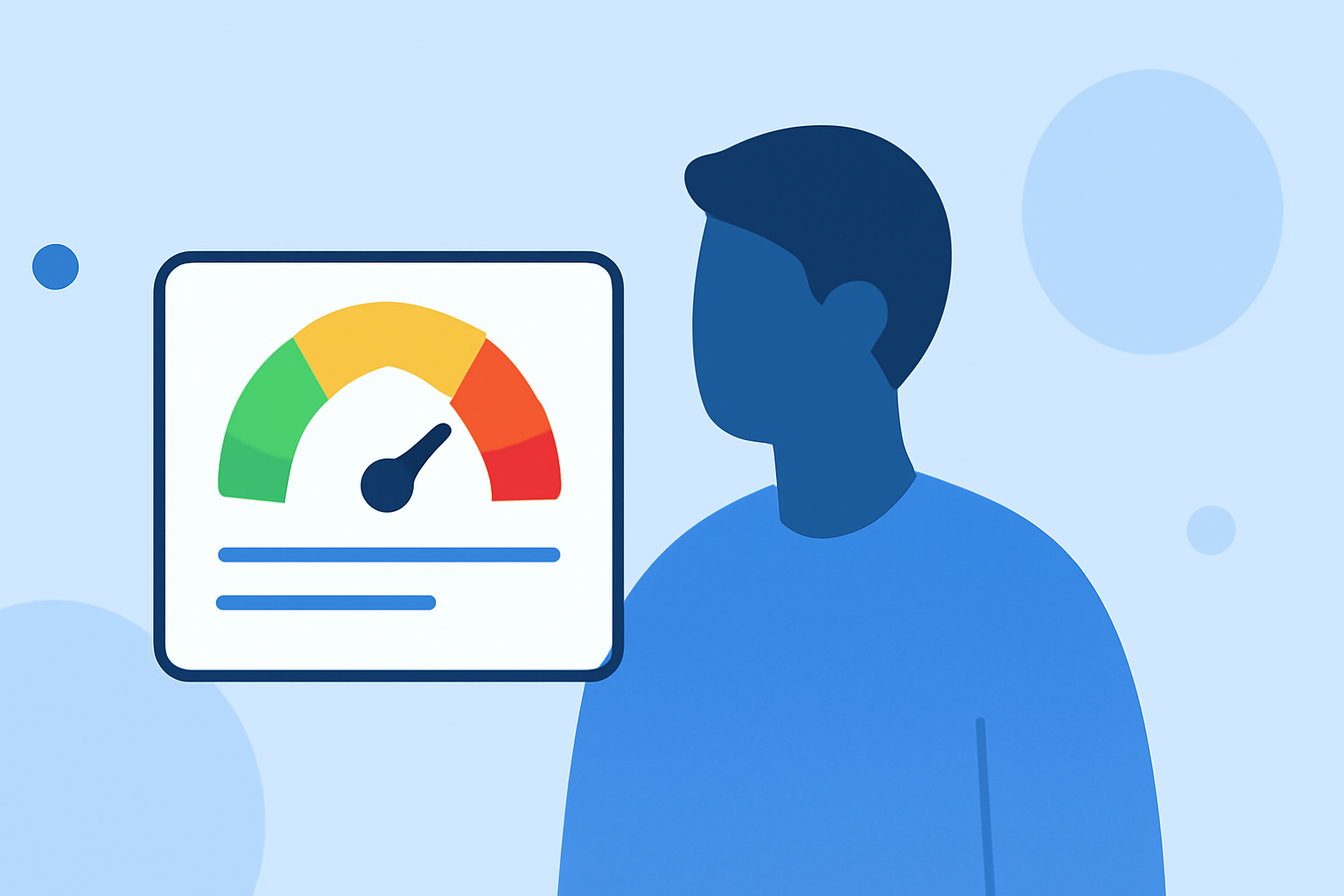
The AQI measures air quality on a scale from 0 to 500, with lower numbers indicating better air quality. The six categories include:
- Good (0-50): Air quality is satisfactory, posing little or no risk.
- Moderate (51-100): Air quality is acceptable; however, some pollutants may pose a concern for a small number of people.
- Unhealthy for Sensitive Groups (101-150): Members of sensitive groups may experience health effects, but the general public is unlikely to be affected.
- Unhealthy (151-200): Everyone may begin to experience health effects, and members of sensitive groups may experience more serious effects.
- Very Unhealthy (201-300): Health alert: everyone may experience more serious health effects.
- Hazardous (301-500): Health warnings of emergency conditions. The entire population is more likely to be affected.
Tips for Travelers Based on AQI Categories
- Good: This is the ideal time for outdoor activities like hiking or sightseeing. Enjoy nature without health concerns.
- Moderate: While generally safe, sensitive individuals (such as those with respiratory issues) should limit prolonged outdoor exertion. Normal travelers can enjoy activities with minimal care.
- Unhealthy for Sensitive Groups: Travelers should consider staying indoors, especially sensitive individuals. If engaging in outdoor activities, limit exertion.
- Unhealthy: Avoid outdoor activities, as health effects may be experienced by the general public. Opt for indoor plans instead.
- Very Unhealthy: Stay indoors. Use air purifiers if possible, and avoid physical activity outdoors unless absolutely necessary.
- Hazardous: Everyone is likely to experience health effects. Limit time outdoors, and be sure to follow local health advisories.
Interpreting AQI for Travel Planning
When planning your trip, consider the AQI forecast for your destination. Higher AQI values can indicate poor air quality, which may affect your activities and health. Refer to real-time resources, like Clime or local environmental agencies, for up-to-date AQI readings. This helps in deciding travel dates and accommodations based on air quality conditions.
Advantages of Using Clime for AQI Tracking
Clime offers comprehensive features for travelers wanting to stay informed about air quality:
- Real-time data: Instant updates on current AQI values and forecasts.
- Notifications: Set alerts for your saved locations, ensuring you stay aware of any changes in air quality.
- Detailed forecasts: Clime provides extensive forecasts covering hours or even days, helping you plan your activities around optimal air quality times.
Alternative Resources for AQI Information
While Clime serves as an efficient tool for tracking air quality, other resources can complement your research:
- AirNow: A government-supported website providing AQI data and health recommendations based on air quality levels.
- Local environmental agencies: Websites that often publish their local AQI readings and advice specific to your area.
- Smartphone Apps: Various apps dedicated to real-time environmental data can deliver localized air quality updates.
Conclusion: What We Recommend
- Use Clime for reliable real-time AQI updates and environmental insights.
- Adapt your travel plans according to the AQI forecast to ensure a safe experience.
- Consider combining Clime with complementary resources for optimized travel preparedness.
- Stay informed and adjust your activities based on the AQI categories to protect your health while exploring the outdoors.