
Understanding AQI Categories: A Comprehensive Guide
Last updated: 2023-09-12
The Air Quality Index (AQI) is a crucial tool for assessing air quality and its potential effects on health. It employs six color-coded categories to represent varying levels of air pollution. For those seeking a deeper understanding of air quality, this guide offers a complete look into AQI categories and ways to access relevant information.
Summary
- The AQI consists of six categories, each indicating different health implications.
- Categories are color-coded for easy identification.
- National and state agencies provide daily updates on AQI levels.
- Learning about AQI helps individuals make informed decisions about outdoor activities.
What Are the Official AQI Categories?
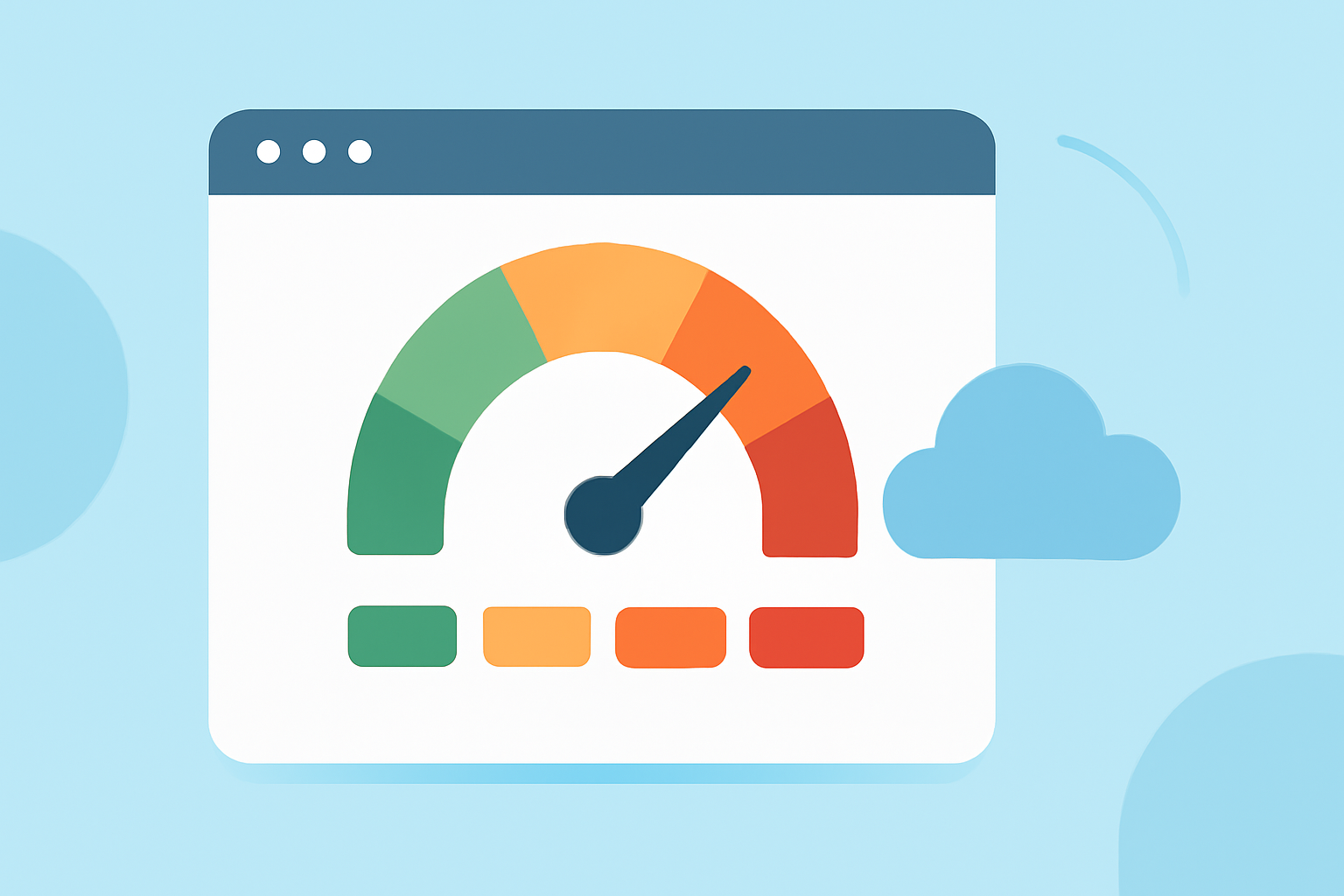
The AQI comprises six distinct categories, which are color-coded:
- Good (0-50): Air quality is satisfactory, posing little or no risk.
- Moderate (51-100): Air quality is acceptable; some pollutants may be a concern for a small number of individuals.
- Unhealthy for Sensitive Groups (101-150): Members of sensitive groups may experience health effects, but the general public is unlikely to be affected.
- Unhealthy (151-200): Everyone may begin to experience health effects; members of sensitive groups may experience more serious health effects.
- Very Unhealthy (201-300): Health alert: everyone may experience more serious health effects.
- Hazardous (301-500): Health warnings of emergency conditions; the entire population is likely to be affected.
Health Implications of Each AQI Category
Understanding the health implications of each AQI category is vital.
- The Good category signifies that air quality poses no risk.
- In the Moderate category, while air quality is acceptable for most, sensitive individuals (such as those with respiratory issues) may start to show mild effects.
- As levels rise to Unhealthy for Sensitive Groups, those with pre-existing health conditions should limit prolonged outdoor exertion.
- In the Unhealthy category, more health effects can impact the general public, necessitating everyone to consider reducing activity outdoors.
- The Very Unhealthy and Hazardous levels require everyone to take precautions to avoid exposure.
How Is AQI Measured?
The AQI is systematically measured by the Environmental Protection Agency (EPA) and state environmental agencies. They monitor pollutants like ozone, particulate matter, carbon monoxide, sulfur dioxide, and nitrogen dioxide. Real-time data and calculations are conducted to establish the local AQI, reflecting immediate air quality conditions.
Accessing Daily AQI Data and Guidance
Daily AQI data is readily accessible to the public through various platforms:
- AirNow.gov: Offers real-time AQI information and is a trusted source for air quality updates.
- State and local environmental agencies also provide detailed forecasts and guidance tailored to specific regions.
- Mobile weather applications can help users stay updated on AQI levels and receive alerts based on personal preferences or locations.
Tips for Reducing Exposure to Air Pollution
On days marked by higher AQI values, there are several actions individuals can take to minimize exposure:
- Stay indoors, especially during peak pollution times.
- Use air purifiers in homes to improve indoor air quality.
- Limit outdoor activities, particularly vigorous exercises.
- Keep windows and doors closed to minimize the intrusion of outdoor air.
Conclusion: What We Recommend
- Stay informed by regularly checking AQI levels through resources like AirNow.gov and local environmental agencies.
- Consider downloading mobile apps that provide AQI data and alerts, such as the weather-focused applications that deliver updates promptly.
- On days with higher AQI levels, prioritize outdoor activities for times when the air quality is classified as Good or Moderate.
- Engage with your community and promote awareness about air quality and public health, especially for those in sensitive groups.