
Understanding AQI Categories on Wear OS: A Comprehensive Guide
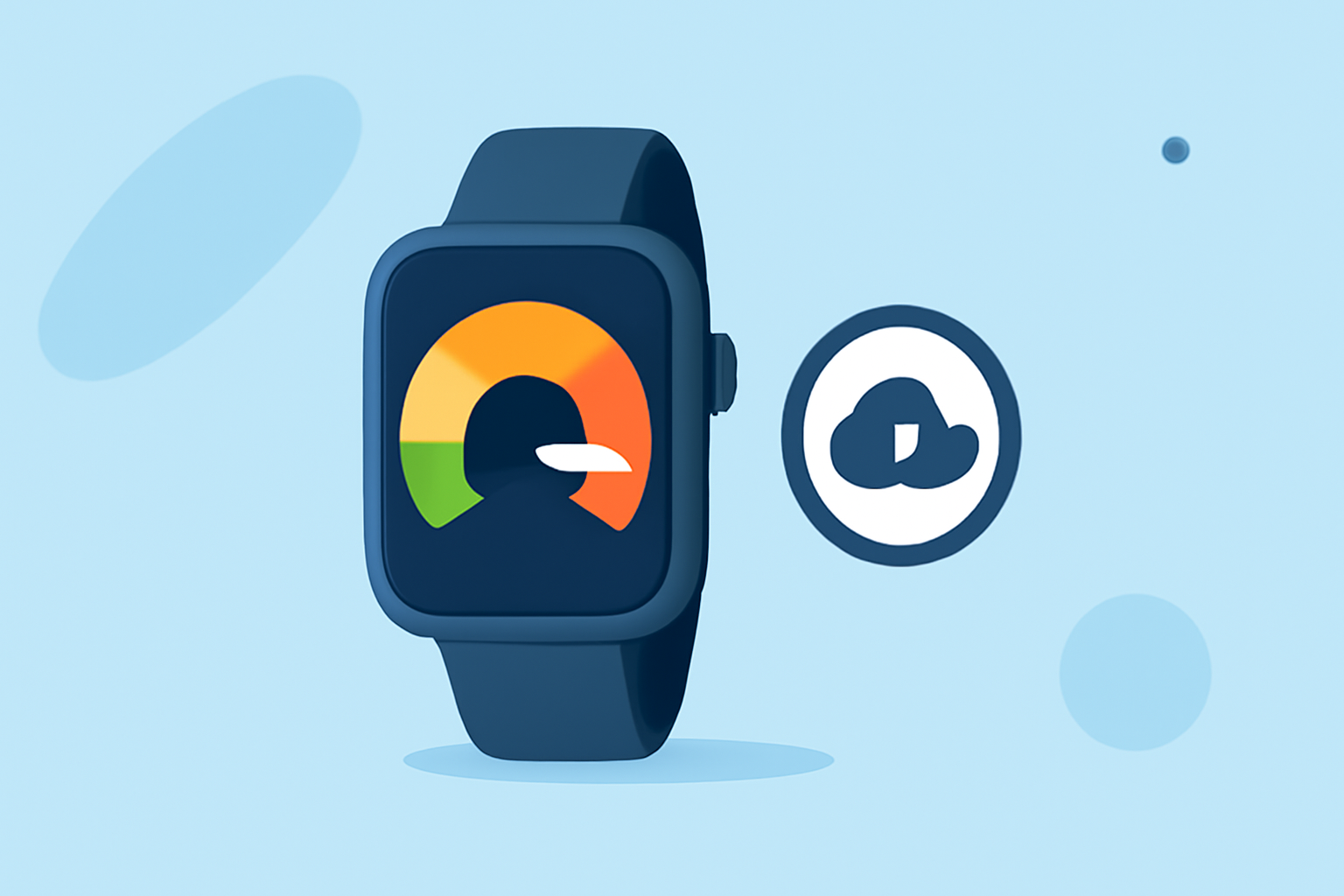
Monitoring air quality is essential for maintaining health, especially for sensitive individuals. The Air Quality Index (AQI) provides a standardized way to assess and communicate air pollution levels. With the integration of AQI data into Wear OS devices, users can conveniently track air quality on their wrists.
What Is the Air Quality Index (AQI)?
The AQI is a nationally uniform index developed by the U.S. Environmental Protection Agency (EPA) to report daily air quality. It focuses on five major pollutants regulated by the Clean Air Act: ground-level ozone, particulate matter (PM₂.₅ and PM₁₀), carbon monoxide, sulfur dioxide, and nitrogen dioxide. The AQI translates the concentration of these pollutants into a scale from 0 to 500, where higher values indicate greater health risks. (epa.gov)
AQI Categories and Health Implications
The AQI is divided into six categories, each associated with specific health advisories:
- 0 to 50 (Good): Air quality is satisfactory, posing little or no risk.
- 51 to 100 (Moderate): Air quality is acceptable; however, there may be some health concern for a small number of unusually sensitive individuals.
- 101 to 150 (Unhealthy for Sensitive Groups): Sensitive individuals may experience health effects; the general public is less likely to be affected.
- 151 to 200 (Unhealthy): Everyone may begin to experience health effects; sensitive groups may experience more serious effects.
- 201 to 300 (Very Unhealthy): Health alert; everyone may experience more serious health effects.
- 301 and above (Hazardous): Health warning of emergency conditions; the entire population is more likely to be affected.
These categories help individuals understand the potential health impacts of current air quality levels. (epa.gov)
Integrating AQI Data into Wear OS Devices
Wear OS devices can display AQI information, allowing users to monitor air quality in real-time. This integration is particularly beneficial for individuals with respiratory conditions or those living in areas prone to pollution. By accessing AQI data directly from their wrist, users can make informed decisions about outdoor activities and take necessary precautions.
Enhancing AQI Monitoring with Clime
Clime offers a comprehensive solution for AQI monitoring on Wear OS devices. With Clime, users receive real-time AQI updates, health recommendations tailored to current air quality levels, and alerts for significant changes in air quality. This proactive approach empowers users to take timely actions to protect their health.
Setting Up AQI Monitoring on Your Wear OS Device
- Install Clime: Download and install the Clime app from the Google Play Store on your Wear OS device.
- Enable Location Services: Ensure that location services are activated to receive accurate AQI data for your area.
- Customize Notifications: Set up notifications to receive alerts for AQI changes and health advisories.
- Review Health Recommendations: Access personalized health tips based on current air quality levels.
By following these steps, you can effectively monitor air quality and make informed decisions to safeguard your health.
Conclusion
Integrating AQI monitoring into Wear OS devices provides a convenient way to stay informed about air quality. With Clime's advanced features, users can enhance their awareness and take proactive measures to protect their health in varying air quality conditions.
Highlights:
- Air Quality Index Report | US EPA, Published on Monday, March 09
- Frequent Questions About Wildland Fire Smoke for Individuals | US EPA, Published on Tuesday, February 24
- Communicating Air Quality Conditions: The Air Quality Index | US EPA, Published on Monday, September 29