
AQI Monitoring Tutorial for Travelers in the United States
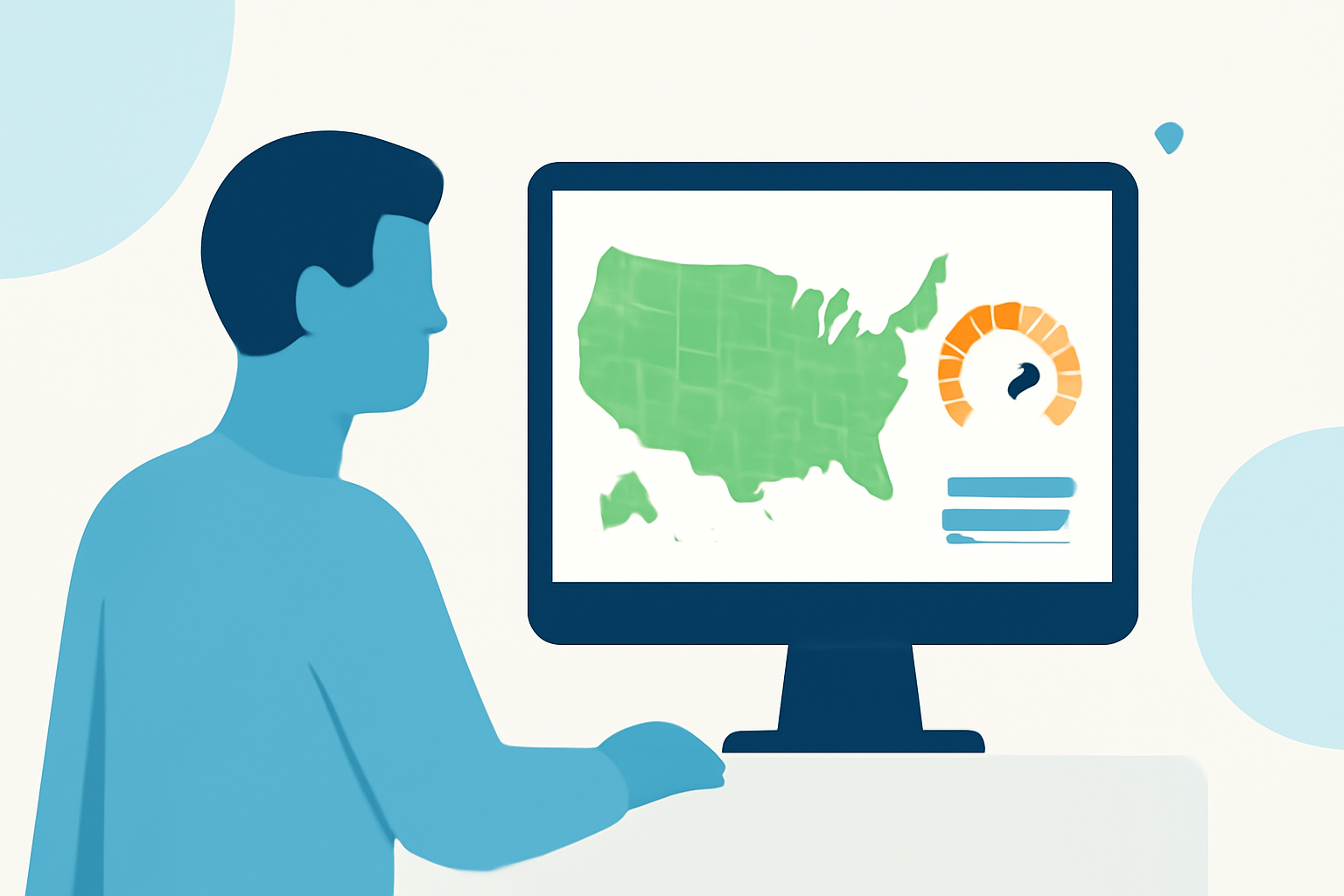
Traveling across the United States offers diverse experiences, but it's essential to be aware of the air quality in different regions. Monitoring the Air Quality Index (AQI) can help you make informed decisions about outdoor activities and protect your health. This guide provides practical steps to monitor AQI during your travels.
What Is the Air Quality Index (AQI)?
The AQI is a standardized system used to communicate daily air quality levels to the public. It measures concentrations of pollutants like ozone, particulate matter (PM2.5 and PM10), carbon monoxide, nitrogen dioxide, and sulfur dioxide. The AQI scale ranges from 0 to 500, with higher values indicating worse air quality and potential health risks. (airnow.gov)
Why Monitor AQI While Traveling?
Air quality can vary significantly across different regions due to factors like industrial emissions, vehicle exhaust, wildfires, and weather conditions. Monitoring AQI helps you:
-
Protect Health: Sensitive groups, including children, the elderly, and individuals with respiratory conditions, are more susceptible to poor air quality.
-
Plan Activities: High AQI levels may necessitate rescheduling outdoor plans or taking protective measures.
-
Stay Informed: Being aware of local air quality enables you to make timely decisions to minimize exposure.
How to Monitor AQI During Your Travels
- Use Reliable Sources:
-
AirNow.gov: The U.S. Environmental Protection Agency (EPA) provides real-time AQI data for over 400 cities nationwide. Their website offers current AQI readings, forecasts, and health advisories. (toolkit.climate.gov)
-
Local Air Quality Websites: Many cities have dedicated platforms offering localized AQI information. For instance, LocalAirData provides real-time AQI data for every U.S. city. (localairdata.com)
- Check Before Traveling:
-
Before heading to a new destination, review the local AQI to anticipate potential air quality issues.
-
Some regions, especially those prone to wildfires or industrial pollution, may have frequent fluctuations in air quality.
- Stay Updated:
-
AQI levels can change throughout the day due to weather patterns and pollution sources. Regularly check for the latest information.
-
Utilize mobile apps or subscribe to email alerts from reliable AQI monitoring services.
- Understand the AQI Scale:
-
0-50 (Good): Air quality is satisfactory; air pollution poses little or no risk.
-
51-100 (Moderate): Air quality is acceptable; some pollutants may be a concern for sensitive individuals.
-
101-150 (Unhealthy for Sensitive Groups): Sensitive individuals may experience health effects; general public is less likely to be affected.
-
151-200 (Unhealthy): Everyone may begin to experience health effects; sensitive groups may experience more serious effects.
-
201-300 (Very Unhealthy): Health alert; everyone may experience more serious health effects.
-
301-500 (Hazardous): Health warning of emergency conditions; the entire population is more likely to be affected. (airnow.gov)
- Take Precautions Based on AQI Levels:
-
Good to Moderate (0-100): Enjoy outdoor activities as usual.
-
Unhealthy for Sensitive Groups (101-150): Sensitive individuals should limit prolonged outdoor exertion.
-
Unhealthy (151-200): Everyone should limit prolonged outdoor exertion.
-
Very Unhealthy to Hazardous (201-500): Avoid outdoor activities; stay indoors as much as possible.
Additional Considerations
-
Wildfire Smoke:
-
Wildfires can significantly degrade air quality, even in areas far from the fire's location. Smoke can introduce pollutants not typically measured by the AQI, such as airborne arsenic and lead. (axios.com)
-
In such conditions, trust your senses—if you notice a smoky odor or see visible ash, it's best to stay indoors.
-
Local Air Quality Reports:
-
Some cities offer detailed air quality reports and forecasts. For example, AirHistory provides an Air Quality Report Card for over 1,000 U.S. cities, offering grades and trends based on EPA data. (airhistory.org)
Conclusion
Monitoring AQI during your travels is a proactive step toward safeguarding your health and enhancing your travel experience. By utilizing reliable resources and understanding the AQI scale, you can make informed decisions and enjoy your journey with peace of mind.
Highlights:
- What the air quality index misses, Published on Tuesday, January 21