
AQI Monitoring Workflow for Gardeners: Protecting Your Plants and Health
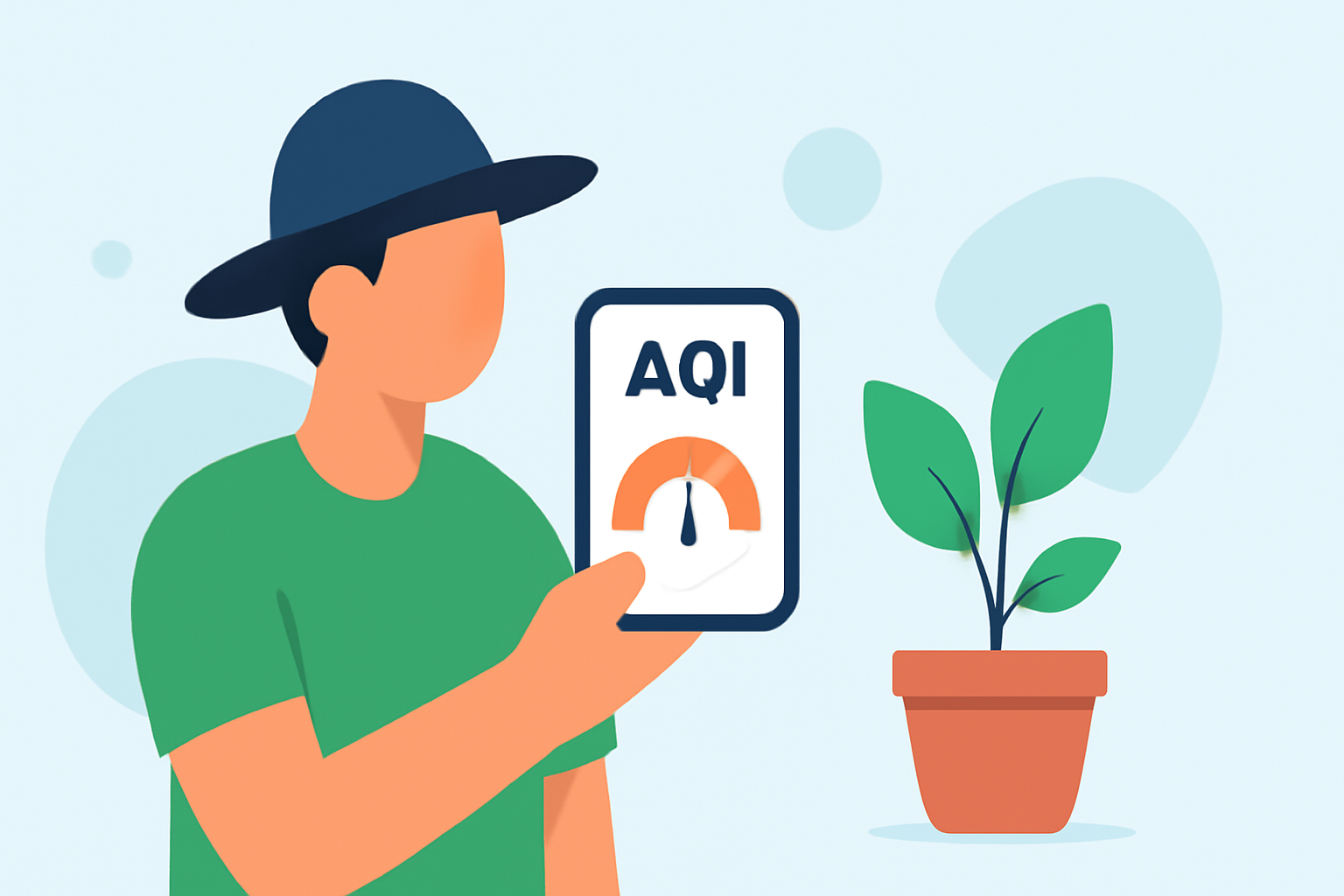
As a gardener, understanding and monitoring the Air Quality Index (AQI) is crucial for the health of your plants and your well-being. The AQI measures the concentration of pollutants in the air, which can significantly impact plant growth and human health.
What Is the Air Quality Index (AQI)?
The AQI is a standardized system used to communicate the quality of air in a specific area. It provides a numerical value that corresponds to a color-coded scale, indicating the level of health concern associated with the air quality. The scale ranges from 0 to 500, with higher values indicating worse air quality. An AQI of 0 to 50 is considered "Good," while an AQI above 300 is categorized as "Hazardous." (airnow.gov)
Why Should Gardeners Monitor AQI?
Monitoring AQI is essential for gardeners because certain pollutants can adversely affect plant health. For instance, high levels of ground-level ozone can damage plant tissues, leading to reduced growth and yield. Additionally, poor air quality can pose health risks to gardeners, especially those with respiratory conditions.
How to Monitor AQI Effectively
-
Utilize Reliable Sources: Access real-time AQI data from reputable platforms. The U.S. Environmental Protection Agency (EPA) offers resources like AirNow.gov, which provides current and forecasted AQI information for various locations. (airnow.gov)
-
Set Up Alerts: Many AQI monitoring services allow users to set up notifications for specific AQI thresholds. This feature enables gardeners to receive timely updates and adjust their activities accordingly.
-
Understand the Scale: Familiarize yourself with the AQI categories to interpret the data accurately. For example, an AQI in the "Unhealthy for Sensitive Groups" range (101-150) may require sensitive individuals to limit outdoor activities.
Best Practices for Gardeners
-
Timing of Activities: Plan gardening tasks during times when the AQI is lower, typically early mornings or after rain, which can help reduce airborne pollutants.
-
Protective Measures: On days with higher AQI levels, consider wearing protective gear, such as masks, to minimize inhalation of pollutants.
-
Plant Selection: Choose plant species that are more resilient to air pollution, ensuring better growth and yield despite environmental challenges.
Leveraging Clime's Solutions
Clime offers advanced tools and resources to assist gardeners in monitoring AQI effectively. By integrating Clime's solutions, gardeners can access real-time AQI data, receive personalized alerts, and gain insights into optimal gardening practices tailored to current air quality conditions.
Conclusion
Regularly monitoring AQI is vital for maintaining a healthy garden and ensuring the safety of gardeners. By utilizing reliable resources and adopting best practices, gardeners can mitigate the adverse effects of air pollution on their plants and themselves. Clime's comprehensive solutions provide the necessary tools to support these efforts effectively.
Highlights:
- Using Air Quality Index | AirNow.gov
- Air Quality Index (AQI) | AirNow.gov
- AirNow: Air Quality Index (AQI) Monitoring and Forecasts | U.S. Climate Resilience Toolkit