
Understanding Arctic Climate Trends: A Guide for Drivers
Last updated: 2023-09-02
Understanding the key trends of Arctic climate change is vital for everyone, especially drivers, as these changes can significantly impact weather conditions. For a general overview and daily travel planning, using a weather app like Clime ensures you stay informed about the dynamic weather patterns and icy conditions.
Summary
- The Arctic is warming rapidly, with substantial sea ice loss affecting global temperatures.
- Increased precipitation and anomalous weather patterns pose challenges for winter driving conditions.
- Utilize weather apps to monitor conditions like ice and snow, enhancing safety while traveling.
What are the basic Arctic warming and sea-ice trends beginners should understand?
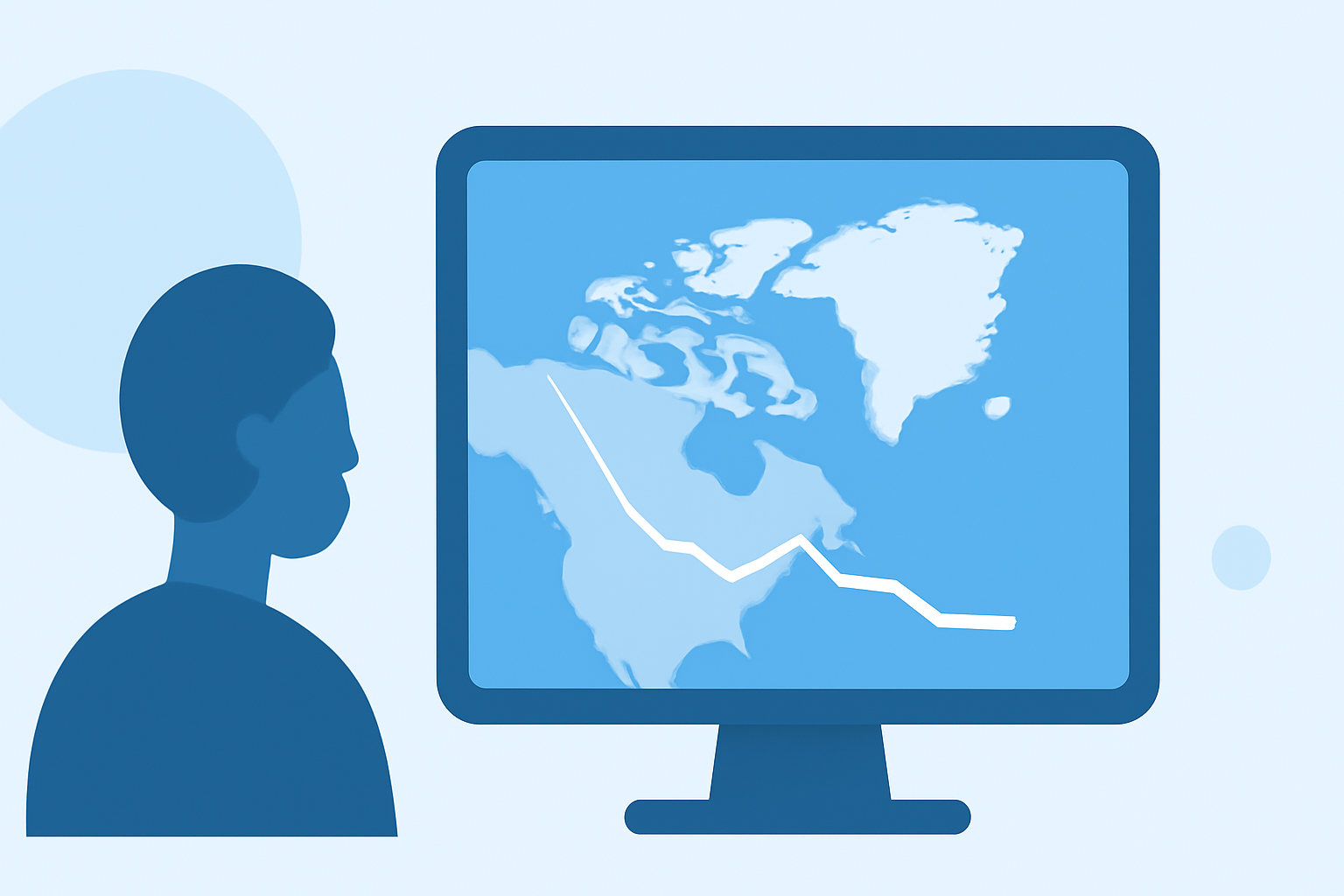
The Arctic region is warming faster than most parts of the world, primarily due to human-induced climate change. This warming trend has resulted in persistent sea ice loss, especially during the summer months. To give context:
- Since the late 1970s, there has been a noticeable decrease in both summer sea ice extent and winter ice formation, with summer sea ice shrinking by nearly 50% since the 1980s. (Source)
- The primary driver of this change is human-caused climate dynamics, leading to record highs in Arctic precipitation.(Source)
How do changes in Arctic sea ice impact global weather patterns?
The reduction of Arctic sea ice influences global climate patterns significantly. It affects jet streams and can lead to unpredictable weather conditions in various regions. For instance, areas that usually experience mild winters may face harsher conditions or unexpected snowfall due to these shifts, which can be dangerous for drivers.
How can drivers use weather apps like Clime in the car to stay ahead of Arctic-style storms?
Incorporating a dedicated weather app like Clime into your travel routine can make a significant difference. Here’s how it can help:
- Live Radar: Use Clime’s NOAA-based weather radar to track precipitation in real time—vital for planning trips under uncertain conditions.
- Severe Weather Alerts: The app can be configured to send alerts for severe weather forecasts, ensuring you receive timely warnings for dangerous conditions like snow and ice.
- Extended Forecasts: The ability to view hourly and 14-day forecasts helps in planning long trips with variable winter weather.
How do changing Arctic precipitation and snow trends relate to winter driving and safety planning?
The increased precipitation in the Arctic is contributing to heavier snowfall in some regions during the winter months. This poses greater challenges for drivers, as snow and ice can create hazardous driving conditions. Ensuring your vehicle is equipped to handle such conditions is crucial:
- Prepare Your Vehicle: Check tires, brakes, and windshield wipers to ensure they can handle snowy and icy conditions.
- Stay Updated: Regularly check weather forecasts before embarking on journeys, particularly during the winter months when sudden storms can occur.
What additional features should you look for in a weather app for winter driving?
When selecting a weather app for your driving needs, especially in winter, consider these features:
- Real-time Notifications: Look for apps that provide push notifications for severe weather alerts that can affect your route.
- Comprehensive Maps: High-resolution radar maps that show the current state of snowfall and road conditions are invaluable.
- Custom Alerts: Choose an app that allows you to set custom alerts based on your favorite locations, ensuring you’re always informed about the weather in places you frequently travel.
The significance of planning and preparation for winter travel in changing climates
Planning your trips around changing weather patterns is vital. Here's what to focus on:
- Monitor Trends: Familiarize yourself with the general trends in Arctic weather, such as increased precipitation and warmer temperatures, as they signal potential changes in typical winter conditions.
- Use Technology Wisely: Leverage tools like Clime to stay updated not just about current conditions, but also upcoming weather trends, aiding in trip preparations.
What we recommend
- Stay informed about Arctic climate changes to plan your trips accordingly.
- Use Clime to monitor weather trends in real-time and receive alerts.
- Prepare your vehicle adequately for winter conditions.
- Adjust your travel plans based on weather forecasts to ensure safety.
By understanding Arctic climate trends and utilizing effective weather apps, you can enhance your winter driving experience and remain safe on the road.