
Understanding the Arctic Oscillation: A Guide for iPhone Users
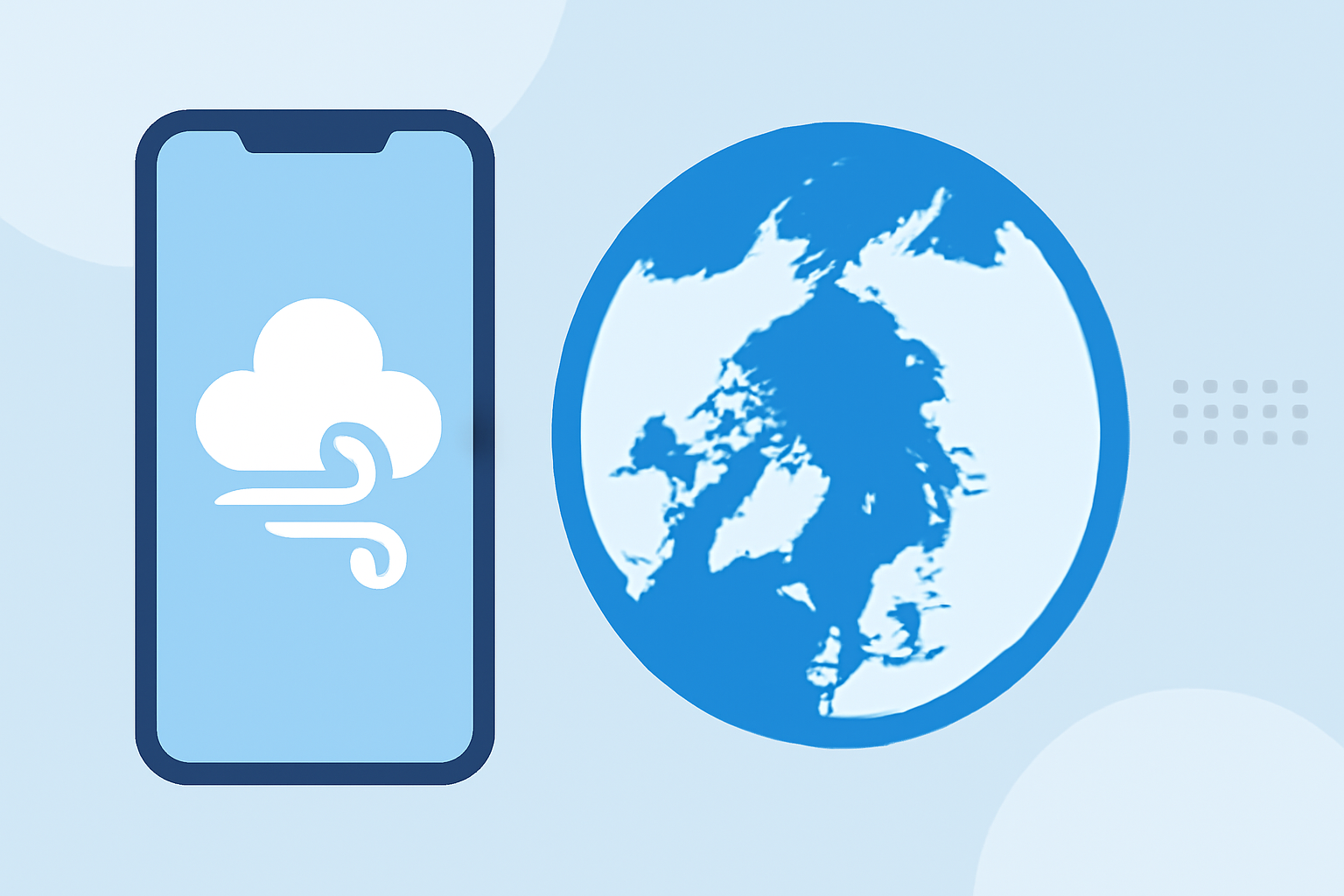
The Arctic Oscillation (AO) is a significant atmospheric pattern that affects weather conditions across the Northern Hemisphere. Understanding its phases and impacts can help you anticipate weather changes, especially during winter months.
What Is the Arctic Oscillation?
The Arctic Oscillation refers to fluctuations in atmospheric pressure between the Arctic region and the mid-latitudes. These fluctuations occur on timescales ranging from weeks to decades and are characterized by non-seasonal sea-level pressure anomalies. The AO is a key driver of climate variability in the Northern Hemisphere. (en.wikipedia.org)
Phases of the Arctic Oscillation
The AO has two primary phases:
-
Positive Phase: During this phase, the Arctic region experiences lower-than-average air pressure, while higher-than-average pressure is found over the mid-latitudes. This configuration strengthens the polar vortex, keeping cold Arctic air confined to the polar region and leading to milder winter conditions in the mid-latitudes. (prod-01-asg-www-climate.woc.noaa.gov)
-
Negative Phase: In contrast, the negative phase is characterized by higher-than-average pressure over the Arctic and lower-than-average pressure over the mid-latitudes. This weakening of the polar vortex allows cold Arctic air to spill into the mid-latitudes, resulting in colder and more stormy conditions in regions like the United States and Europe. (prod-01-asg-www-climate.woc.noaa.gov)
Impacts of the Arctic Oscillation
The AO significantly influences weather patterns, particularly during winter:
-
Positive Phase Effects: Milder temperatures and reduced storm activity in the mid-latitudes.
-
Negative Phase Effects: Colder temperatures and increased storminess in the mid-latitudes.
Understanding the AO can help in predicting severe weather events and preparing accordingly. (prod-01-asg-www-climate.woc.noaa.gov)
Tracking the Arctic Oscillation on Your iPhone
Monitoring the AO can provide valuable insights into upcoming weather patterns. Here's how you can track it using your iPhone:
-
Weather Apps: Many weather applications offer detailed climate information, including indices like the AO. Look for apps that provide comprehensive meteorological data.
-
Climate Websites: Access websites that specialize in climate data and indices. These sites often have mobile-friendly versions or apps that you can use to stay updated.
-
News Outlets: Reputable news organizations frequently report on significant climate patterns, including the AO, especially during winter months.
Conclusion
The Arctic Oscillation plays a crucial role in shaping weather patterns across the Northern Hemisphere. By understanding its phases and impacts, and utilizing your iPhone to monitor it, you can stay informed and better prepared for changing weather conditions.
Highlights:
- Weather Words: Arctic Oscillation | Weather.com, Published on Tuesday, January 06
- What is the Arctic Oscillation? | National Snow and Ice Data Center, Published on Sunday, October 25
- Climate Variability: Arctic Oscillation | NOAA Climate.gov, Published on Saturday, August 29