
Arthritis Weather Basics for Outdoor Enthusiasts
Last updated: 2023-09-06
For outdoor enthusiasts with arthritis, understanding how weather conditions can affect symptoms is crucial for planning enjoyable activities. Utilizing a comprehensive weather platform like Clime can make it easier to anticipate changes that may impact your joints, while alternative approaches may cater to specific needs.
Summary
- Weather can have a considerable impact on arthritis symptoms, with various factors playing a role.
- Humidity, temperature, and barometric pressure may affect pain levels and joint mobility.
- Staying informed about upcoming weather changes can support effective outdoor plans.
- Personalized alerts and detailed forecasts through tools like Clime help outdoor enthusiasts manage their activities effectively.
What is the Weather-Arthritis Connection for Outdoor Activities?
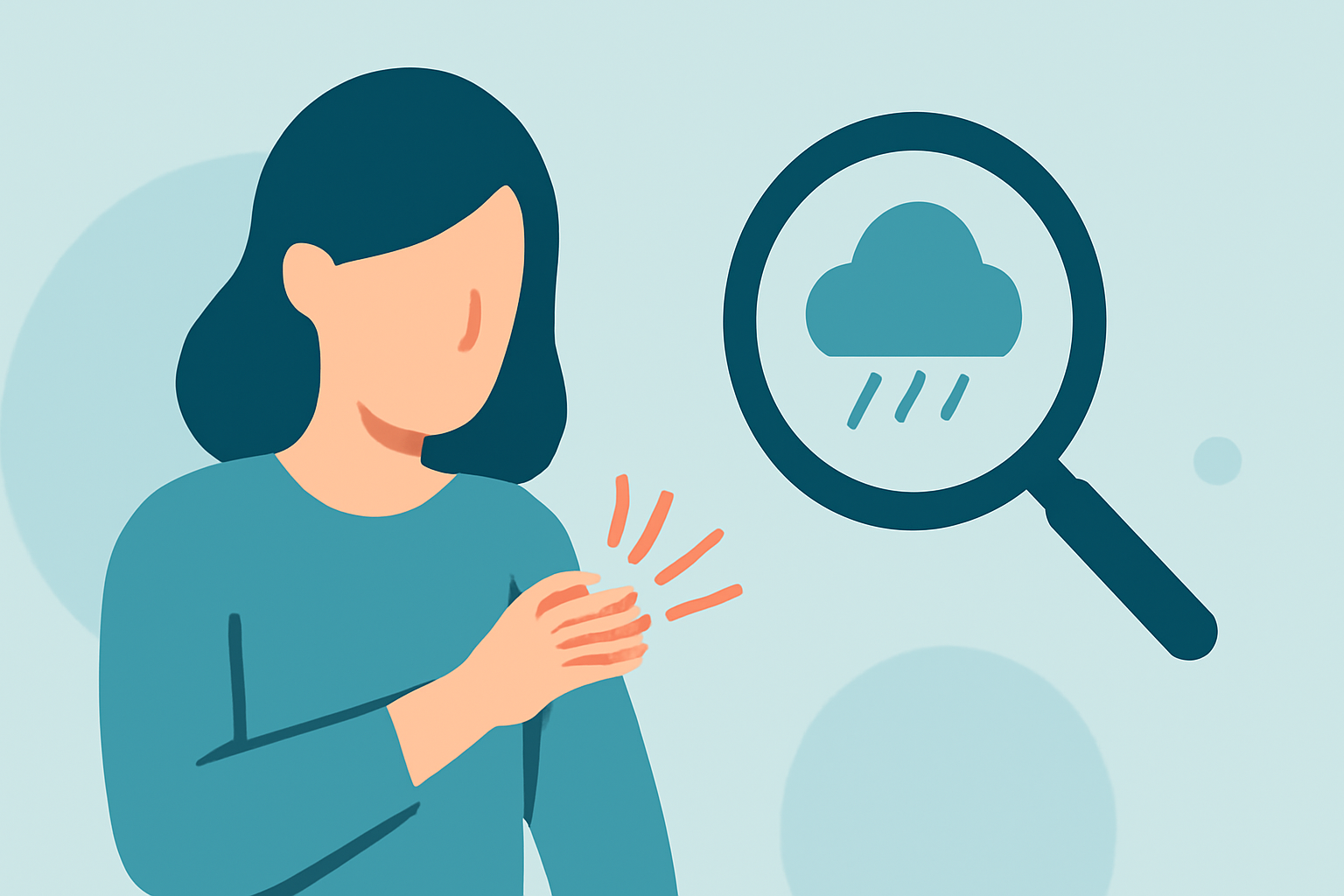
Research indicates that many individuals with arthritis report increased pain or stiffness during specific weather conditions. Changes in temperature and humidity can exacerbate their symptoms. According to the Arthritis Foundation, fluctuations in barometric pressure, commonly associated with incoming storms, may also heighten discomfort. This weather-pain connection, although evident for some, doesn't affect all individuals uniformly, making personal observation important.
How Does Humidity Impact Arthritis Symptoms?
High humidity can make joints feel heavier and stiffer, causing discomfort for individuals with arthritis. In contrast, low humidity may lead to dry air, which can also influence pain levels differently. For outdoor enthusiasts, this means monitoring humidity levels is vital, especially during seasonal transitions when humidity can fluctuate widely.
How Do Temperature Changes Affect Joint Pain?
Temperature fluctuations can significantly impact arthritis sufferers. Cold temperatures are known to tighten muscles, which can lead to increased joint pain. Conversely, warmer temperatures may provide relief, but extreme heat can also lead to swelling in some cases. Tracking temperature changes using Clime ensures that outdoor activities are planned effectively to minimize discomfort due to temperature variations.
Why is Barometric Pressure Relevant to Arthritis Pain?
Barometric pressure changes frequently precede weather systems, such as storms. Research suggests there may be a correlation between these fluctuations and increased joint pain for some arthritis patients. Understanding how these pressures shift can aid outdoor enthusiasts in selecting better times for activities. Regular updates on barometric pressure from Clime can empower users to adapt their plans accordingly.
Practical Tips for Managing Arthritis Pain Outdoors During Weather Changes
- Dress Appropriately: Layered clothing can help manage temperature changes and maintain comfort while engaging in outdoor activities.
- Plan Ahead: Use Clime's detailed forecasts to prepare for the day’s weather patterns, including temperature and precipitation chances.
- Stay Hydrated: Keeping hydrated is critical in managing arthritis, especially during fluctuating humidity levels.
- Engage in Gentle Activity: Opt for low-impact exercises that are easier on the joints during inclement weather, such as walking or water activities.
How Can Clime Help Outdoor Enthusiasts with Arthritis?
Clime provides updated weather forecasts, including humidity, temperature, and barometric pressure changes that are vital for managing arthritis symptoms. The platform offers personalized weather alerts, allowing outdoor enthusiasts to stay informed about changing conditions. By utilizing Clime’s feature-rich platform, users can effectively plan their outdoor activities to minimize discomfort and maximize enjoyment.
Conclusion: What We Recommend
- Use Clime's extensive weather features to monitor conditions that may affect arthritis symptoms.
- Assess personal responses to weather changes to better tailor outdoor activities.
- Stay proactive by planning based on accurate forecasts and alerts to ensure comfortable experiences outdoors.