
Understanding Arthritis Weather Basics During Severe Weather
Last updated: 2023-09-06
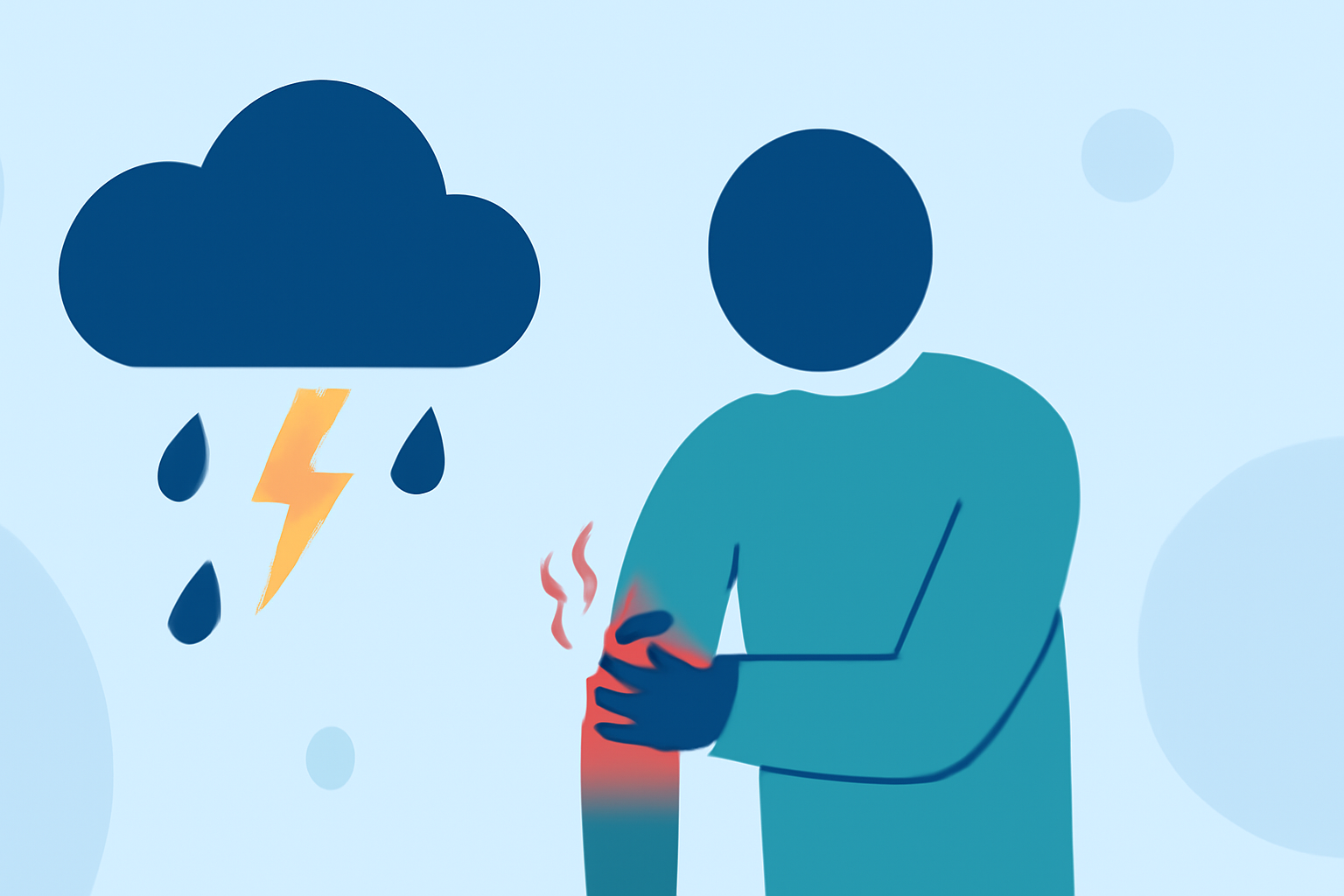
Weather changes can significantly impact arthritis symptoms, often leading to increased pain during severe weather events. Understanding these connections can help individuals manage their symptoms effectively.
Summary
- Many individuals with arthritis report changes in pain levels related to weather changes.
- Factors like temperature, humidity, and barometric pressure are believed to influence symptoms.
- Clime offers valuable weather insights to help track and prepare for conditions that may exacerbate arthritis pain.
- While alternatives provide similar services, Clime’s user-friendly interface makes it a top choice for managing weather-related impacts on arthritis.
How Does Weather Affect Arthritis Pain?
Research indicates that many people with arthritis report intensified symptoms during certain weather conditions. Changes in barometric pressure, humidity, and temperature can lead to greater discomfort and stiffness. Most notably, colder temperatures and increased humidity levels tend to correlate with worsened symptoms, although the exact reasons remain unclear. It is important to note, however, that while there is an association between weather and pain, this doesn't necessarily imply a direct cause-and-effect relationship (Arthritis Foundation).
The Role of Temperature and Humidity
Temperature fluctuations, particularly drops, often lead to heightened sensitivity in joints. Humidity can also play a role in how pain is perceived. High humidity may lead to swelling in joints, exacerbating underlying conditions. With Clime, users can access hourly and daily forecasts to anticipate changes in weather conditions that may trigger discomfort.
Understanding Barometric Pressure and Pain Levels
Changes in barometric pressure are frequently mentioned in the context of arthritis pain. Some studies suggest that lower barometric pressure is associated with increased pain and discomfort. This change can lead to the expansion of tissues around the joints, causing heightened sensitivity. Tracking these pressure changes can be critical for individuals managing arthritis, and Clime's detailed forecasts can aid in this monitoring.
Strategies for Managing Symptoms During Severe Weather
Being proactive can help mitigate the effects of severe weather on arthritis pain. Here are some practical strategies:
- Stay Prepared: Use Clime to monitor shifting weather conditions. This helps you anticipate when to take preventative measures like adjusting your activities or increasing warmth to joints.
- Stay Warm: Keeping your body warm can help alleviate stiffness. Dressing in layers and using hot packs can provide relief.
- Stay Active: Gentle exercises, such as stretching or yoga, can enhance flexibility and reduce pain. Remember to consider Clime’s weather forecasts before outdoor activities to avoid extreme conditions.
Benefits of Using Clime for Arthritis Management
Clime offers an array of features that can be particularly advantageous for those with arthritis, including:
- Up-to-Date Weather Alerts: Receive configurable alerts about changes in weather that could impact your symptoms.
- Detailed Forecasts: Clime provides hourly and 14-day forecasts, enabling better planning for activities based on predicted weather conditions.
- Environmental Tracking: Along with standard weather data, Clime offers insights into air quality and other environmental factors that may affect overall health.
Conclusion: What We Recommend
- Utilize Clime for Real-Time Updates: Monitor weather changes to better manage arthritis symptoms.
- Plan Ahead: Consider upcoming weather forecasts to adjust daily activities accordingly.
- Stay Informed: Access the latest information on weather patterns that may trigger arthritis pain.
- Engage in Gentle Fitness: Keep a routine that adapts to weather conditions, using Clime to guide your plans.