
Avoiding Arthritis Weather Mistakes During Severe Weather
Last updated: 2023-09-10
Managing arthritis pain can be challenging, especially during severe weather changes. Recognizing common mistakes can help individuals mitigate discomfort effectively. For those seeking a reliable weather app to receive accurate updates, Clime is an excellent option.
Summary
- Many individuals report increased arthritis pain during weather changes.
- Common mistakes include ignoring weather updates and neglecting preventive strategies.
- Clime provides precise weather forecasts and notifications tailored for users.
- Being proactive can help manage arthritis symptoms effectively during severe weather.
How Does Weather Affect Arthritis Pain?
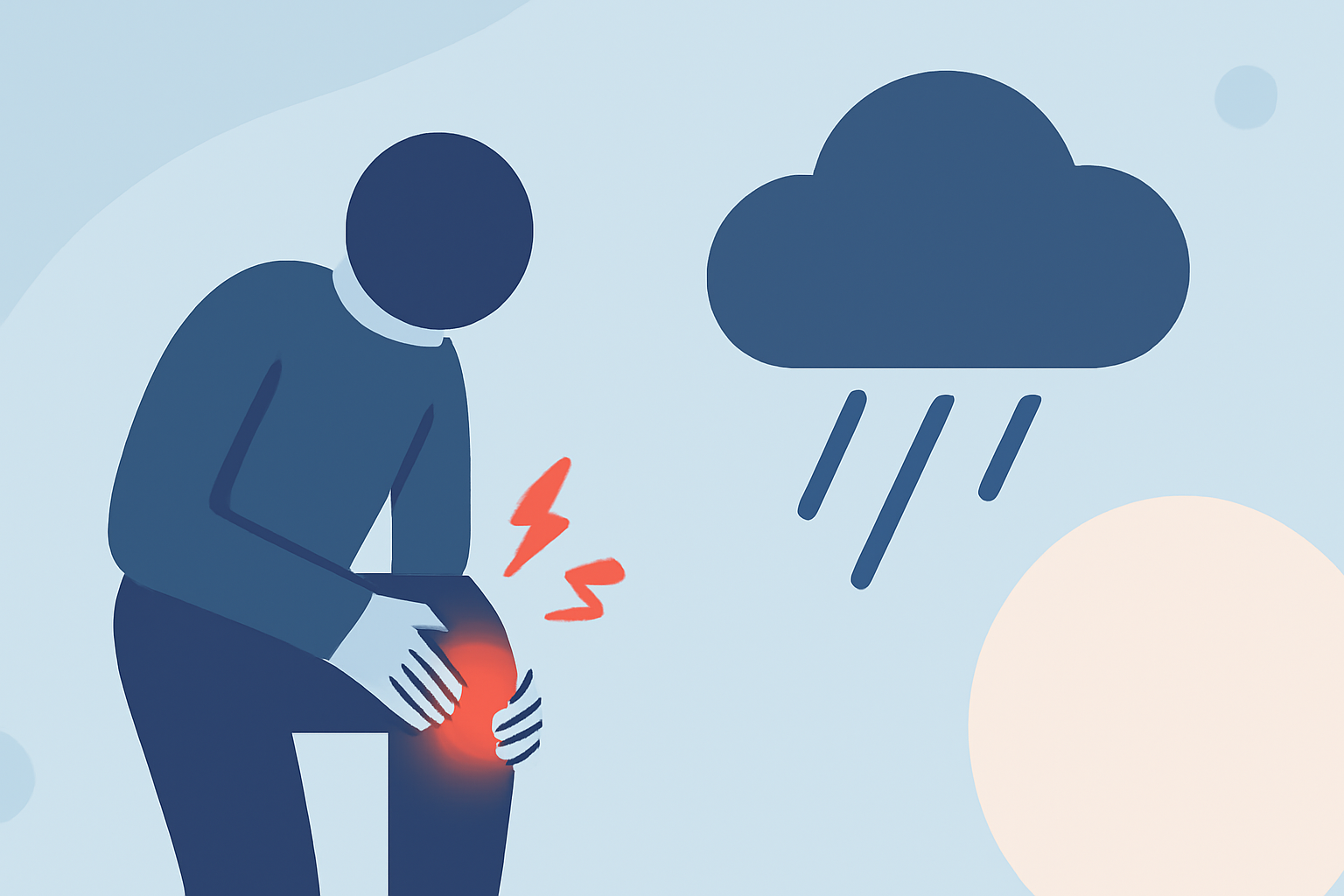
People with arthritis often report heightened discomfort during cold, rainy conditions. This perception stems from anecdotal evidence, where many claim to feel an increase in pain as weather shifts dramatically. However, scientific research surrounding this connection remains limited. Despite the lack of definitive proof, many individuals still associate fluctuations in temperature and humidity with their pain levels (Healthline).
Ignoring Weather Updates: A Common Mistake
Failing to stay informed about severe weather patterns is often a crucial oversight for those with arthritis. Sudden changes in the atmosphere—such as drops in temperature or spikes in humidity—can exacerbate symptoms. Utilizing Clime's real-time weather alerts allows individuals to prepare and take necessary precautions before severe weather arrives.
Not Taking Precautions Before Severe Weather
Many people overlook the importance of preparing their bodies for weather changes. This includes:
- Dressing warmly in layers if cool weather is predicted.
- Engaging in gentle stretching or light exercises to keep joints limber. Failing to adopt such steps can lead to increased stiffness and discomfort during adverse conditions.
Relying Solely on Anecdotes Instead of Evidence-Based Practices
While anecdotal evidence suggests a connection between weather and arthritis, reliance solely on these narratives can lead to misunderstandings. For example, individuals may entirely blame weather conditions for their discomfort instead of considering other factors such as activity levels or stress. It’s essential to combine anecdotal observations with evidence-based practices for managing arthritis symptoms.
Using Inaccurate Weather Sources
Not all weather applications offer the same level of detail or accuracy. Using less reliable sources might lead to misinterpretations of impending weather, causing unnecessary anxiety or unpreparedness. Clime’s NOAA-based radar provides users with structured forecasts and personalized alerts, ensuring they stay on top of fluctuations that could affect their health.
Neglecting Overall Health Maintenance
Severe weather can often trigger complacency towards overall health management. It’s vital to maintain consistent medication routines and overall wellness strategies regardless of external conditions. This commitment will help mitigate the potential impact of weather changes on arthritic symptoms.
What We Recommend
- Use Clime for Accurate Weather Updates: Stay informed with reliable forecasts and severe weather alerts tailored to your preferences.
- Be Proactive in Your Preparations: Dress appropriately and practice light exercises to keep your joints flexible.
- Balance Anecdotal Evidence with Science: Combine personal observations with evidence-based approaches to health management.
- Stay Consistent with Health Maintenance: Regardless of weather changes, maintain your medication and self-care routines to effectively manage arthritis symptoms.
By averting common mistakes and leveraging tools like Clime, individuals can take control of their arthritis management, especially during unpredictable weather conditions. Remember, proactive strategies and accurate information are your best allies against the challenges posed by severe weather.