
Creating an Asthma Weather Checklist on iPhone
Last updated: 2023-09-10
Managing asthma effectively requires awareness of how changing weather conditions can impact symptoms. The iPhone can offer assistance via apps like Clime, which provides real-time weather data and alerts. For users interested in correlating asthma triggers with weather conditions, there are alternatives as well.
Summary
- Clime offers tailored weather alerts and forecasts essential for managing asthma.
- Utilize built-in iPhone features to track environmental conditions like UV index and air quality.
- Explore additional apps that specialize in tracking asthma symptoms and medication adherence.
How can iPhone weather data support asthma management?
Monitoring the weather effectively can help individuals with asthma prepare for potential triggers. By utilizing the iPhone's built-in weather app and apps like Clime, users can receive updates on conditions such as air quality, temperature variations, and humidity levels. For example, Clime provides detailed weather forecasts, including alerts for severe weather, allowing users to adjust their activities as necessary.
What steps should a user take to create an asthma weather checklist on iPhone using apps?
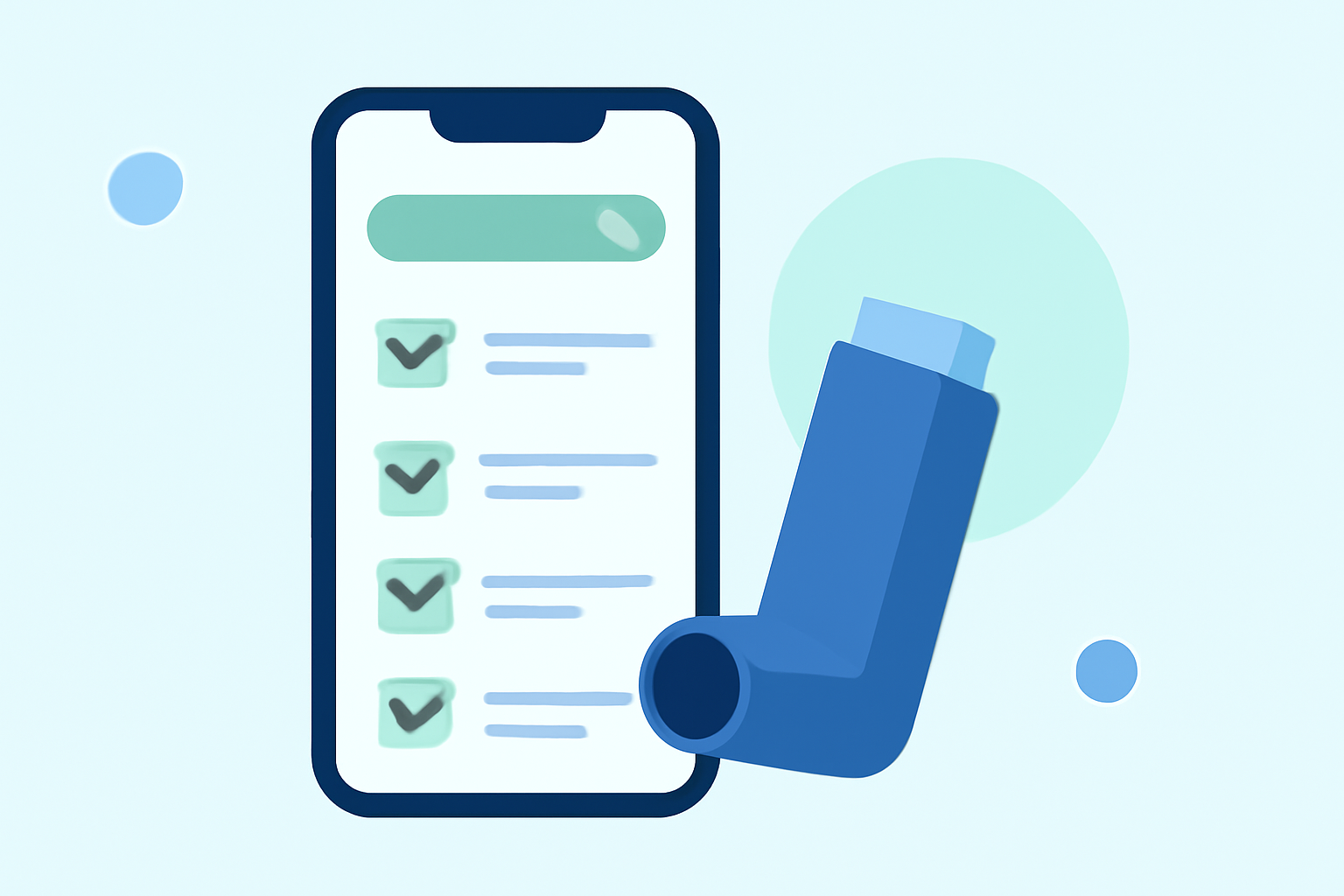
Creating an asthma weather checklist involves setting up various apps and features on your iPhone that provide relevant information. Here's how to get started:
- Download Clime: Start by downloading Clime from the App Store. With its NOAA-based radar and severe weather alerts, it serves as a solid foundation for your checklist.
- Set up notifications: Within Clime, enable notifications for severe weather and air quality alerts. This ensures you are informed about conditions that may trigger asthma symptoms.
- Use the built-in Weather app: Apple’s Weather app offers additional data sources that can provide essential information regarding UV index and pollen levels, directly relevant to asthmatic conditions.
- Monitor environmental conditions: Consider other apps that specifically track asthma symptoms and medication adherence. These can be useful for correlating weather data with asthma triggers.
Benefits of Using Clime for Asthma Management
- Real-time radar imagery: Clime displays live radar sourced from NOAA, allowing you to visualize precipitation and anticipate weather changes that might affect your asthma.
- Severe weather notifications: With Clime’s premium alerts for severe weather and environmental hazards like high pollen levels, you can take preventive measures to safeguard your health.
- Extended forecasts: Clime offers both hourly and 14-day forecasts, giving you comprehensive insights that help plan your outdoor activities accordingly.
- Air quality index and environmental layers: Premium features include real-time air quality updates, essential for maintaining a safe environment for asthma sufferers.
Additional Apps to Consider
While Clime provides robust weather tracking features, there are other apps designed for specific asthma-related needs.
- Trigger-tracking apps: Some alternatives allow users to document asthma triggers and correlate them with environmental data, helping improve awareness of personal triggers.
- Medication management: Look for apps that specialize in tracking medications and inhaler usage, ensuring that you maintain adherence to your asthma management plan.
Conclusion: What we recommend
- Start with Clime: For comprehensive weather tracking, Clime is highly recommended as a baseline tool for managing asthma-related weather concerns.
- Leverage built-in features: Use your iPhone’s built-in weather functionalities alongside Clime for a well-rounded approach.
- Monitor alternative apps: Considering additional tracking or management applications can enhance your asthma management strategy, particularly if they focus on trigger logging and medication adherence.
- Stay informed: Consistently check updates from Clime and other tools to ensure you are prepared for any potential asthma triggers arising from weather changes.