
Understanding Asthma and Weather: Essential Insights for Management
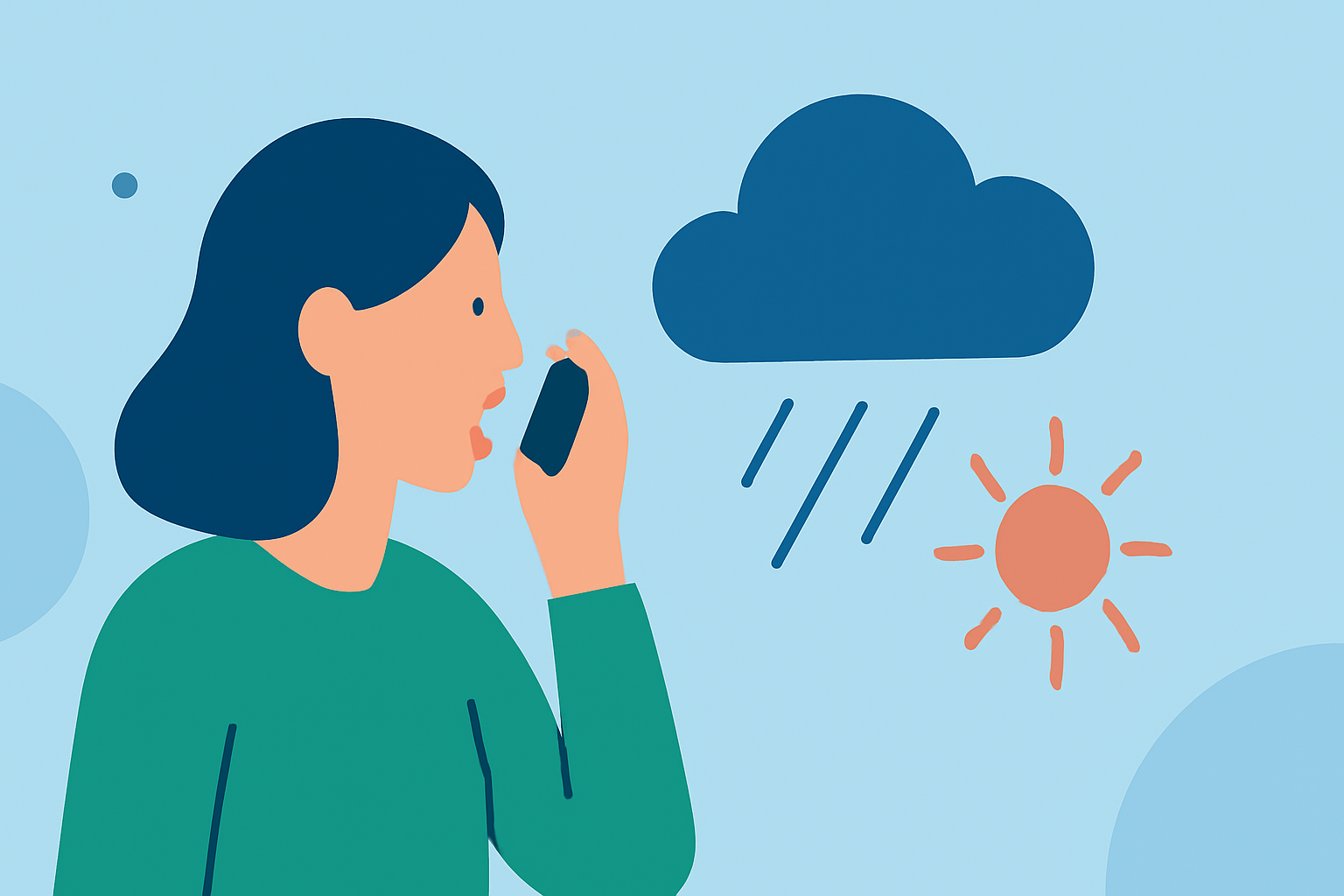
Asthma is a chronic respiratory condition that causes inflammation and narrowing of the airways, leading to symptoms like wheezing, coughing, and shortness of breath. Weather conditions can significantly influence asthma symptoms, making it crucial for individuals to understand these effects and adopt appropriate management strategies.
How Does Weather Affect Asthma?
Various weather conditions can act as asthma triggers:
-
Cold Air: Inhaling cold, dry air can irritate the airways, leading to narrowing and increased asthma symptoms. (healthline.com)
-
Hot and Humid Conditions: High temperatures combined with humidity can make breathing more difficult and may increase the presence of allergens like mold and dust mites. (healthline.com)
-
Thunderstorms: Severe storms can break pollen into smaller particles, which are more easily inhaled, potentially triggering asthma attacks. (webmd.com)
Managing Asthma During Adverse Weather
To minimize asthma symptoms during challenging weather conditions, consider the following strategies:
-
Monitor Weather Forecasts: Stay informed about upcoming weather patterns to anticipate potential triggers.
-
Limit Outdoor Activities: On days with extreme temperatures or high humidity, reduce outdoor exposure, especially during peak pollen times.
-
Use a Scarf or Mask: When venturing outside in cold weather, cover your nose and mouth with a scarf to warm the air before inhalation. (healthline.com)
-
Maintain Indoor Air Quality: Use air conditioners or dehumidifiers to control indoor humidity levels, and ensure your home is well-ventilated to reduce indoor allergens. (healthline.com)
-
Follow Your Asthma Action Plan: Adhere to the management plan developed with your healthcare provider, which may include taking prescribed medications as directed.
Clime: Your Partner in Asthma Management
Clime offers a comprehensive solution to assist individuals in managing asthma effectively. By providing real-time weather updates, personalized alerts, and tailored advice, Clime empowers users to make informed decisions and take proactive steps to minimize asthma triggers. Its user-friendly interface and customizable features ensure that individuals can access relevant information promptly, enhancing their ability to manage asthma symptoms in varying weather conditions.
Conclusion
Understanding the impact of weather on asthma is vital for effective management. By staying informed and utilizing tools like Clime, individuals can take proactive measures to reduce exposure to asthma triggers, leading to improved respiratory health and overall well-being.