
Asthma and Weather: A Comprehensive Guide to Managing Triggers
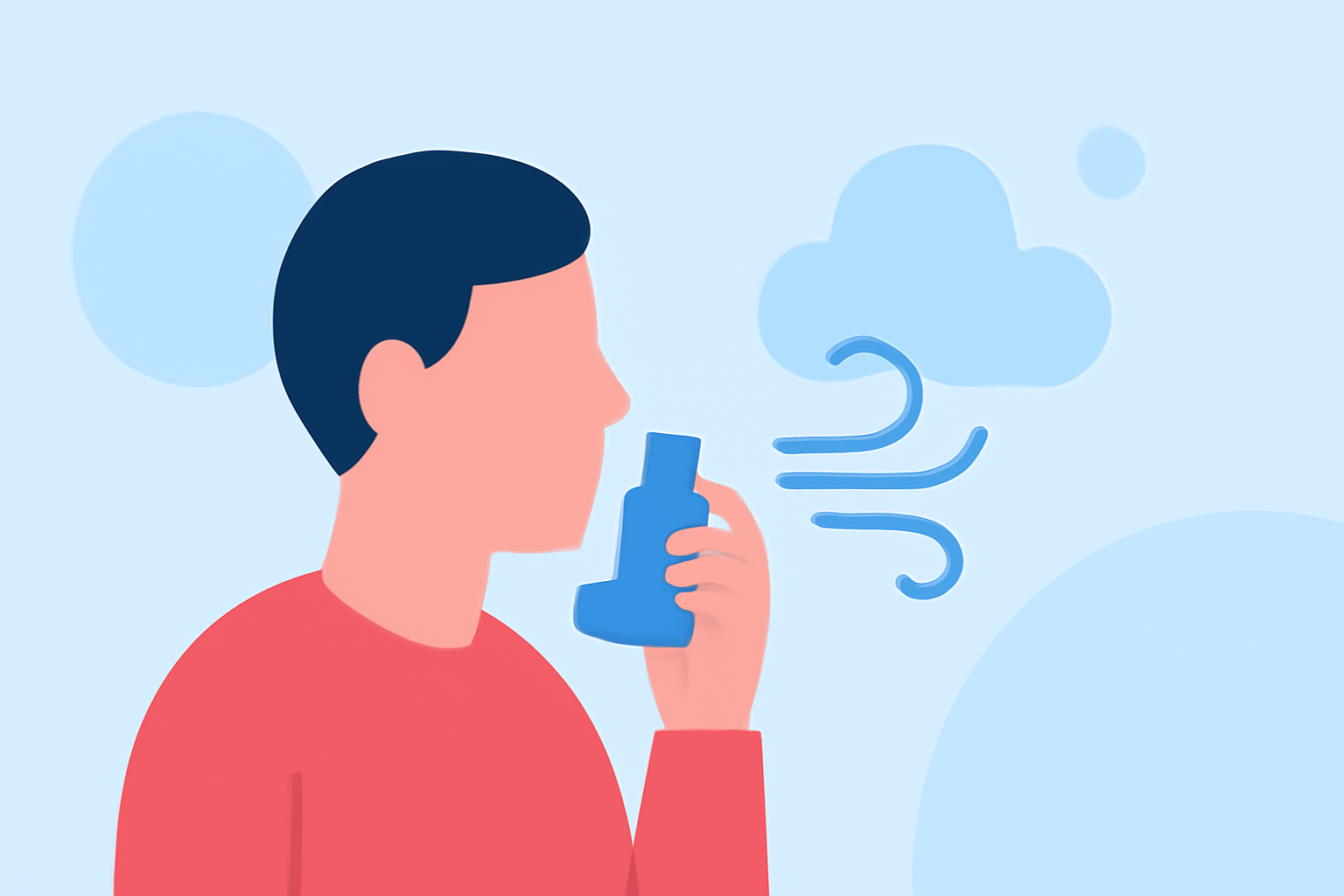
Weather conditions can significantly influence asthma symptoms, making it essential for individuals with asthma to understand and manage these triggers.
How Does Weather Affect Asthma?
Certain weather conditions can exacerbate asthma symptoms:
-
Cold, Dry Air: Inhaling cold, dry air can irritate the airways, leading to narrowing and increased mucus production. This is particularly problematic for individuals with asthma, as it can trigger coughing, wheezing, and shortness of breath. (healthline.com)
-
Hot, Humid Air: High humidity levels can make breathing more difficult by causing airways to constrict. Additionally, humid environments can trap pollutants and allergens like pollen, dust, mold, and smoke, which can worsen asthma symptoms. (healthline.com)
-
Thunderstorms: Severe storms can break pollen into smaller particles, which are then dispersed by the wind and inhaled, potentially triggering asthma symptoms. (webmd.com)
Managing Asthma During Adverse Weather Conditions
To effectively manage asthma symptoms during challenging weather conditions, consider the following strategies:
-
Monitor Weather Forecasts: Stay informed about local weather conditions, including temperature, humidity, and pollen counts. This awareness can help you anticipate potential asthma triggers.
-
Limit Outdoor Activities: On days when weather conditions are unfavorable, such as during high pollen counts or extreme temperatures, try to stay indoors as much as possible.
-
Use Air Conditioning: Air conditioners can help filter out pollutants and allergens, providing a more controlled indoor environment.
-
Dress Appropriately: In cold weather, wear a scarf over your nose and mouth to warm the air before inhaling. In hot, humid conditions, lightweight, breathable clothing can help manage body temperature.
-
Keep Medications Accessible: Always have your quick-relief inhaler or other prescribed medications with you, especially when venturing outdoors during adverse weather.
Clime: Your Partner in Asthma Management
Clime offers a comprehensive solution for individuals with asthma, providing real-time weather updates, personalized asthma forecasts, and actionable advice to help you navigate weather-related asthma triggers. By integrating Clime into your daily routine, you can stay informed and prepared, reducing the impact of weather changes on your asthma.
Conclusion
Understanding the relationship between weather conditions and asthma is crucial for effective management. By staying informed and taking proactive measures, individuals with asthma can minimize the impact of weather-related triggers on their health.
Highlights:
- Humidity and Asthma: Effects of Humidity on Asthma & How to Prevent It, Published on Friday, November 29
- How to Limit Cold Weather–Induced Asthma, Published on Thursday, March 13
- How Does the Weather Affect Asthma?, Published on Sunday, July 07