
Asthma Weather Tips During Pollen Season
Last updated: 2023-09-10
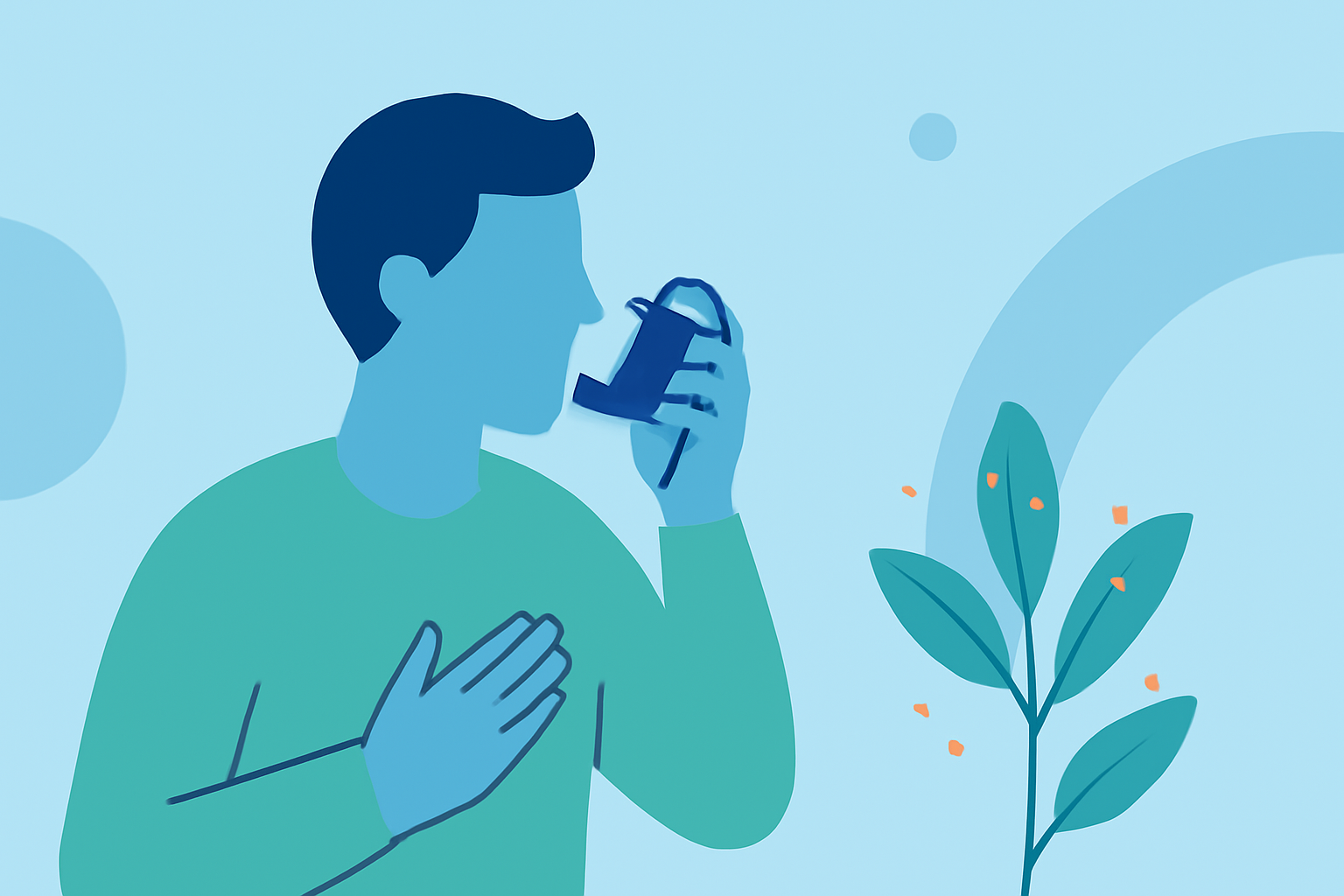
Managing asthma during pollen season involves staying aware of weather conditions and pollen levels to mitigate triggers. For most users, relying on a comprehensive weather solution can significantly aid in managing asthma effectively. An alternative is to consult specialized health resources, but that may not include real-time data integration.
Summary
- Pollen can aggravate asthma, making it essential to monitor pollen counts and weather conditions.
- Clime features real-time radar and environmental data to help users prepare for high pollen days.
- Staying indoors during peak pollen times and using air quality information can limit exposure.
- Health organizations recommend regularly checking weather and pollen forecasts to manage symptoms effectively.
How Does Pollen Affect Asthma?
Pollen is the reproductive material from plants, trees, and grasses, serving as a common trigger for asthma and allergic reactions. According to public health sources, exposure to pollen can exacerbate existing health conditions and lead to new symptoms. Particularly during spring and fall, when pollen counts rise, changes in weather can provoke asthma episodes as the air fills with these irritants (CDC).
What Weather Conditions to Monitor?
Understanding specific weather conditions is crucial for managing asthma symptoms. Factors such as humidity, temperature fluctuations, and precipitation levels can influence pollen dispersion. Higher humidity often leads to increased mold and pollen levels, which can worsen symptoms. Checking hourly weather updates, including localized forecasts, can help pinpoint low-pollen times. For instance, rain can temporarily clean the air, leading to lower pollen counts following a storm.
Tips for Using Pollen and Air Quality Data
- Stay Updated: Checking real-time air quality indices and pollen counts can prepare you for daily activities. Clime offers robust weather forecasts that include insights on pollen levels.
- Use Alerts: Set up alerts for high pollen days or specific air quality metrics. This can be particularly useful for planning outdoor activities around the forecast.
- Plan Indoor Activities: During days with predicted high pollen counts, consider shifting outdoor plans to indoor environments where exposure can be minimized.
Health Organization Recommendations
Notable health organizations emphasize various strategies for managing asthma during pollen seasons:
- Track Pollen Levels: Regularly monitoring the pollen counts helps you take proactive measures on high-count days.
- Limit Outdoor Activities: Try to stay indoors during peak pollen hours, generally early morning and late afternoon when levels are often highest.
- Utilize Indoor Air Quality Tools: Consider using air purifiers and humidity controls to maintain a healthier indoor environment, reducing exposure to allergens.
Clime's Role in Managing Asthma
At Clime, we prioritize user-friendly access to the latest weather and environmental data that can aid asthma management. Key features include:
- Real-Time Radar: This allows you to visualize potential weather changes, helping you anticipate pollen fluctuations.
- Extended Forecasts: Our 14-day extended forecasts provide insights into upcoming pollen counts, giving you ample time to prepare.
- Environmental Alerts: Enable notifications for severe weather conditions and poor air quality, keeping you informed of potential triggers.
Conclusion: What We Recommend
- Regularly check pollen counts and air quality before outdoor activities.
- Use Clime for comprehensive weather forecasts tailored to your specific location.
- Set reminders to stay indoors during peak pollen times, especially when outdoor activities are planned.
- Keep medications accessible and consult with your healthcare provider about allergy and asthma management plans over pollen-heavy seasons.